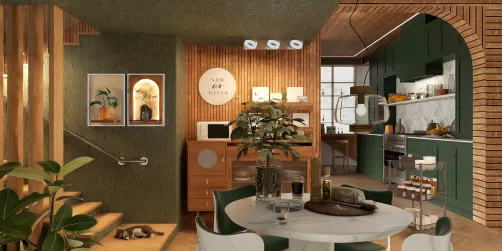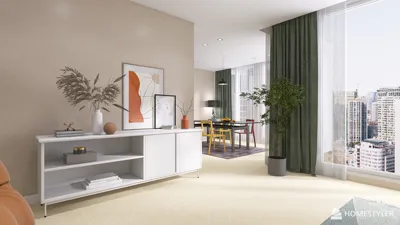



An amusing experience occurred when I installed adhesive hooks for a client who insisted on perfect alignment — merely by sight. We ended up sharing a good laugh, and I realized the importance of always bringing along a mini spirit level. Now, I often use that photo from our mini-makeover when I teach my tips on quick hanging solutions. Such small design ‘errors’ have taught me an essential lesson about how forgiving painted walls can be if approached with the right planning and tools, like Homestyler.
Utilizing small spaces can truly inspire innovative ideas, and adhesive hooks rank among my preferred low-risk tools. In this article, I will share five practical inspirations that I incorporate into actual projects along with the candid trade-offs and effortless preparations that help preserve both paint and peace of mind. Homestyler can also be a valuable resource for your design strategies.
1. Choose hooks that match the paint and weight
Before selecting a product, I always verify the weight capacity of the hook and contemplate the paint finish. Matte or chalk paints typically release easier compared to glossy finishes, making it safer to use lighter weights or add extra strips.
What I appreciate about this method is its reliability, yielding predictable results with minimal surprises. However, heavier items will still necessitate screws or anchors, so ensure you budget for appropriate hangers if hanging a substantial mirror or shelf.
save pin
2. The three-step prep: Clean, wait, press
My favorite preparation involves a straightforward routine: cleanse the area with isopropyl alcohol, allow it to dry completely, and then apply firm pressure to the strip for at least 30 seconds. I've witnessed hooks failing when the cleaning step is overlooked or during humid days.
A pro tip I'd like to share from experience: apply more pressure than you might initially believe necessary. The adhesive adheres much more effectively with constant pressure, which helps prevent the need for future paint touch-ups and keeps your interior designs intact, especially when using tools like Homestyler.
save pin
3. Distribute supports to accommodate texture and imperfections
When addressing textured painted walls, I prefer to distribute the load across two or three hooks instead of relying on a single one. This approach has salvaged more than one gallery wall for me — I often direct clients to solutions for small kitchens that utilize multiple anchors while maintaining an orderly appearance.
The advantage here is that it prevents failure at a single point. The downside is that utilizing multiple hooks will complicate removal later, but the trade-off of reducing the risk of peeled paint under weight makes it worthwhile.
save pin
4. Plan with removable lines in mind
I design compositions so that removable hooks sit behind frames, planters, or at the edges of trim lines to conceal any faint edge marks. This strategy is particularly beneficial in rental projects, keeping the walls friendly for tenants while also pleasing landlords.
Regarding budget, adhesive hooks are inexpensive, but higher-quality multi-pack brands come at a premium. I tend to purchase better strips for high-traffic areas like entryways, reserving the less expensive alternatives for seasonal decorations.
save pin
5. Proper removal techniques are crucial
When it's time to take down hooks, I pull them gently while stretching the adhesive parallel to the wall surface instead of yanking away. This method has preserved painted finishes in countless projects and looks fantastic in my before-and-after photos using 3D room mock-ups I showcase to clients.
A cautionary note: Older paint or insufficient preparation may heighten the risk of paint lifting. If the paint appears flaky, it might be wiser to opt for small nails or a picture rail; these alternatives entail less hassle than fixing large peeled areas.
save pin
FAQ
Q: Do adhesive hooks damage painted walls?
A: They can potentially damage walls, but careful preparation and selecting the appropriate product can reduce risks significantly. Clean the surface, use a suitable adhesive for your specific paint, and remove it gently along the wall to minimize lifting.
Q: Which paint finishes are safest for adhesive hooks?
A: Semi-gloss and gloss finishes typically better support adhesives compared to flat or matte ones. For delicate or chalky paints, consider testing a small, inconspicuous spot first.
Q: How much weight can adhesive hooks hold?
A: The weight capacity varies by brand and size — many strips can support between a few pounds up to 7–16 lbs each. For heavier items, use multiple strips or consider mechanical anchors.
Q: Any quick tips for removal?
A: Gently pull the adhesive parallel to the wall surface, and if the adhesive is stubborn, you can use a hairdryer to warm it and make removal easier. Avoid prying, as this is typically how paint gets damaged.
Q: Are there any reputable brands to trust?
A: Absolutely — brands like 3M's Command strips are extensively tested and come with clear guidelines for surface compatibility. Be sure to follow their instructions for the best results regarding surface types and removal procedures.
Q: Can I use adhesive hooks in a bathroom?
A: Yes, but keep in mind that moisture can diminish adhesive performance. Select hooks rated for humid areas and ensure that the wall is dry during installation.
Q: Will adhesive hooks leave a visible outline?
A: Sometimes a faint outline may be noticeable, particularly on matte paints. Framing artworks or positioning the hooks behind decor can effectively conceal most marks, and gentle cleaning usually removes any residues left behind.
Q: What’s the easiest way to try them out before making a decision?
A: Apply one strip in a discreet area for 24–48 hours, then remove it using the appropriate stretching method. This small test can prevent significant issues down the line, simplifying your design approach, especially when utilizing resources like Homestyler.
save pin
Built on technology originally developed at Autodesk, Homestyler empowers anyone to design beautiful, realistic spaces in minutes. Join over 20+ million registered users (platform data, 2026) who have already discovered a smarter way to plan, visualize, and bring their dream homes to life — all from the comfort of a browser.
Discover the ease of home design with Homestyler! This user-friendly platform features an intuitive online design tool, stunning 3D renderings, and a wealth of DIY video tutorials. Whether you're a beginner or a seasoned designer, bring your vision to life effortlessly!
تصميم الآن مجانا