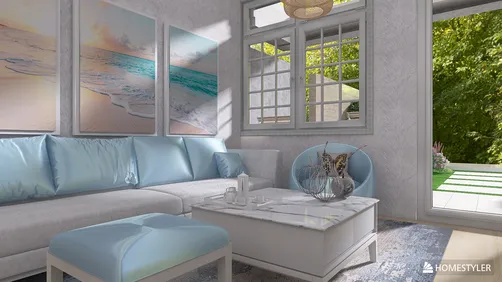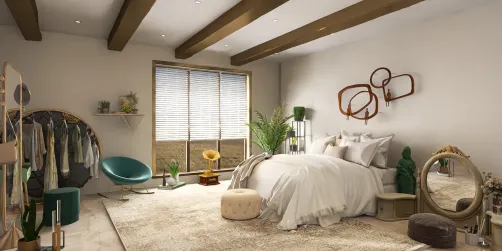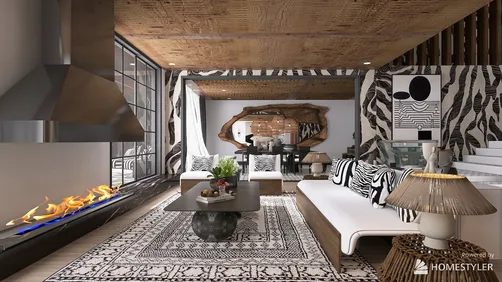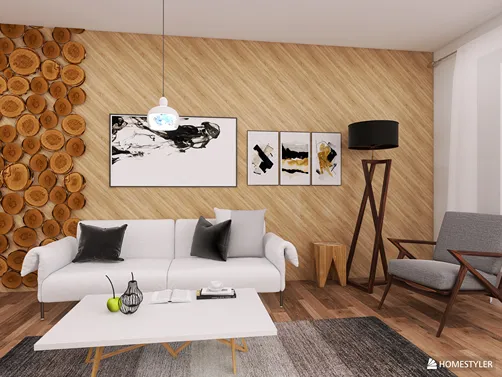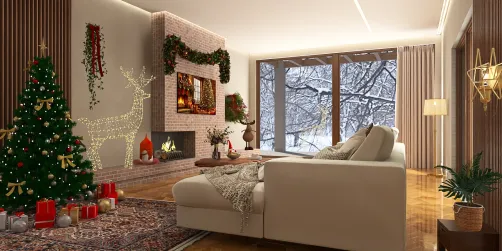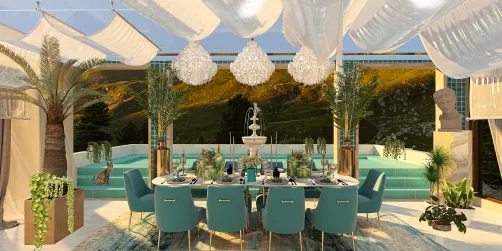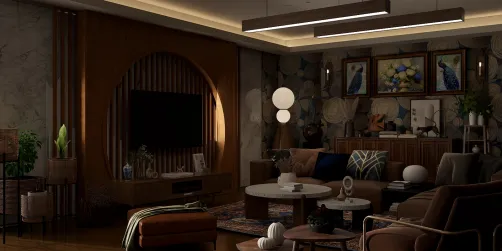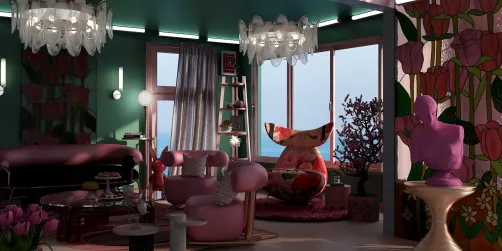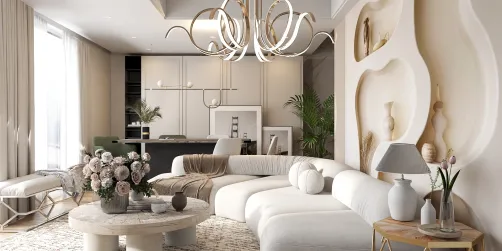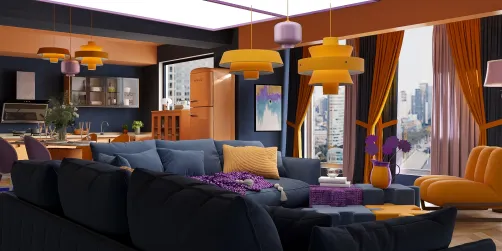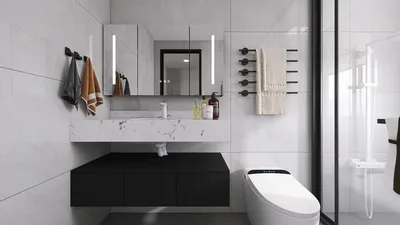
Grasping the terminology associated with home decor is essential for those looking to enhance their interior design capabilities. Whether you're a seasoned designer or a passionate DIYer, familiarity with key terms will enable you to articulate your ideas more clearly and make better-informed choices for your spaces. Let’s delve into some fundamental home decor concepts that every design aficionado should be acquainted with in conjunction with tools like Homestyler.
1. Aesthetic
Aesthetic pertains to the visual allure or style of a room. It encompasses an array of styles, from sleek modern designs to cozy rustic themes and eclectic blends. Defining your aesthetic will help steer your decor decisions effectively.
2. Focal Point
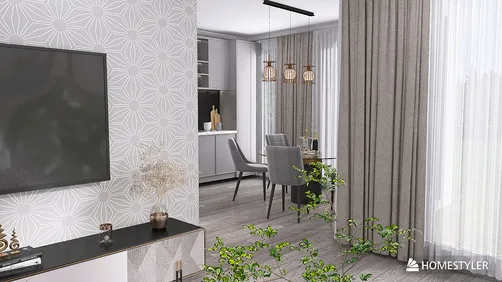
The focal point is typically the most striking feature in a room, capturing attention and establishing the ambiance for surrounding decor. It could be represented by a stunning piece of art, a fireplace, or a striking furniture item.
3. Texture
Texture signifies the surface characteristics of materials used in your decor choices. Integrating diverse textures can introduce depth and intrigue to a space. Common textures to consider include smooth, coarse, delicate, and glossy.
4. Color Palette
A color palette represents a collection of colors employed in a design scheme. Ranging from harmonizing colors to various shades of a single hue, the palette has a profound effect on the mood and ambience of your environment.
5. Scale and Proportion
Scale refers to the dimensions of an object concerning the space it occupies, while proportion denotes the size of one item relative to others within the room. Mastering these principles fosters balance and harmony in your designs.
6. Accessory
Accessories are ornamental elements that augment the overall aesthetic of a space. These can range from vases and cushions to throws and artwork. Clever accessorizing allows for personal expression without the need for extensive renovations, especially when utilizing platforms like Homestyler.
7. Arrangement
Arrangement pertains to the positioning of furniture and decorative elements within a space. A well-considered arrangement enhances flow, practical use, and visual appeal.
8. Minimalism
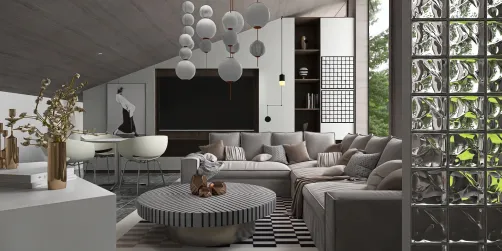
Minimalism stands as a design philosophy marked by simplicity and the absence of clutter. It champions clean lines, muted color schemes, and purposeful furniture.
9. Bohemian Style
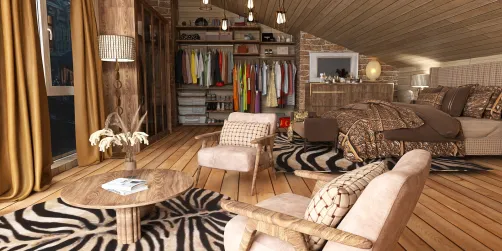
Bohemian style celebrates a relaxed, eclectic aesthetic, incorporating vibrant colors, mixed patterns, and a variety of textures. This approach serves as a perfect avenue to exhibit your personal flair through decor inspired by travels.
10. Sustainable Design
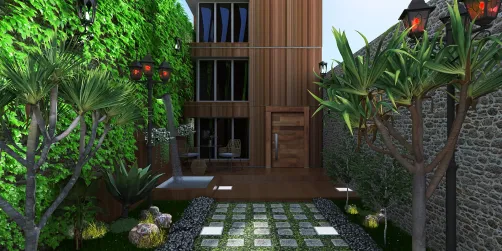
Sustainable design is centered on creating environments that are eco-friendly and resource-efficient. This method includes the utilization of sustainable materials and the application of energy-efficient practices.
FAQ
Q: What’s a good way to build my home decor vocabulary? A: Begin by exploring design blogs, participating in workshops, and perusing literature on interior design to become acquainted with popular terminology.
Q: Why is it necessary to understand decor terms? A: Familiarity with decor terminology enables clear communication, facilitating more effective collaboration with designers and contractors.
Welcome to unlock over 10,000 free home design ideas, utilizing innovative tools like Homestyler to transform your spaces.