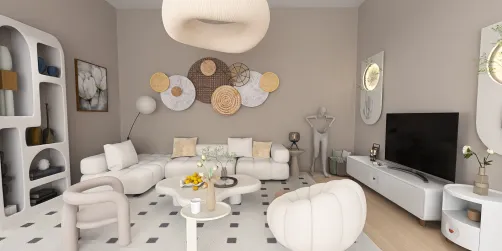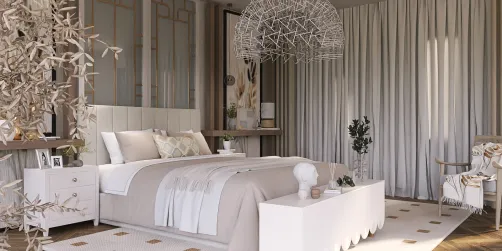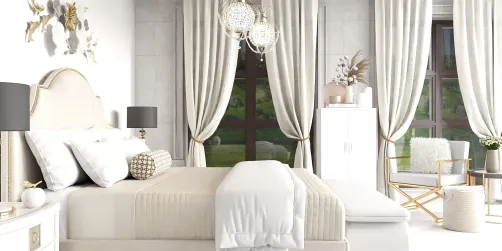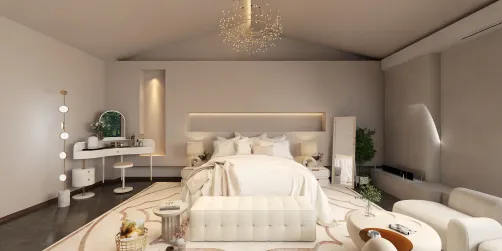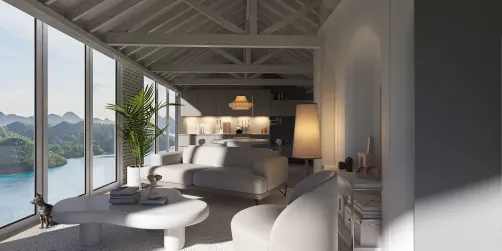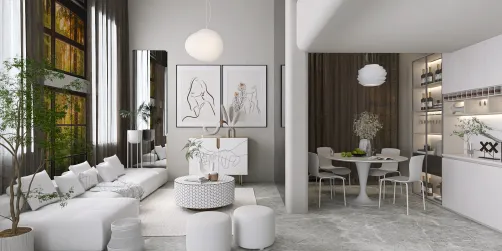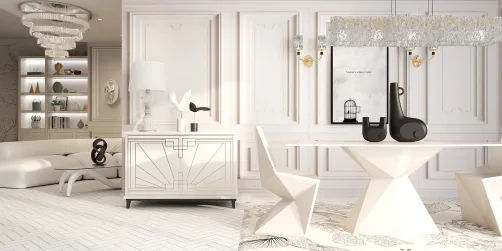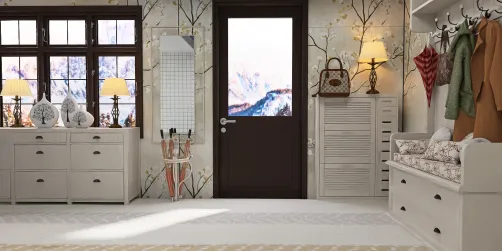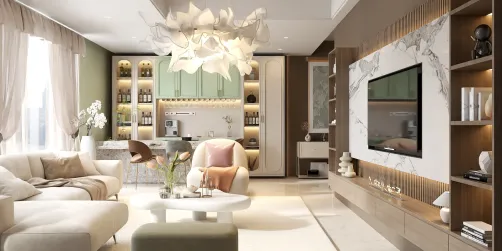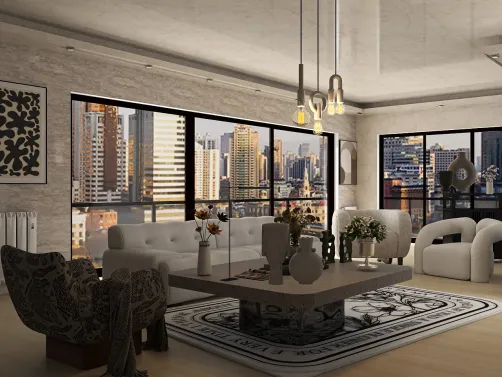
Incorporating decorative wall frame moulding can significantly elevate the visual appeal of any space, injecting both depth and personality into your interiors. Whether you are enhancing a compact apartment or a large family home, the addition of moulding can provide a refined and chic aesthetic. This article will delve into the different styles of decorative wall frame moulding, its advantages in interior design, and helpful installation advice. Remember to consider tools like Homestyler for visualizing your designs.
Varieties of Decorative Wall Frame Moulding
There is a wide range of decorative wall frame moulding styles available, allowing you to select options that best suit your design tastes and the overall atmosphere of your space:
Advantages of Employing Decorative Wall Frame Moulding
Incorporating decorative wall frame moulding into your designs offers numerous benefits that enhance the overall interior experience:
Guidelines for Installing Decorative Wall Frame Moulding
If you are contemplating the addition of decorative wall frame moulding in your residence, here are some useful installation tips to consider:
Frequently Asked Questions
Q: At what height should crown moulding be placed? A: Generally, crown moulding is installed 7 to 9 inches away from the ceiling, although this measurement may vary based on the height of the room.
Q: Is it possible to apply decorative moulding on textured walls? A: Certainly! However, you may require extra adhesive to ensure strong adherence on textured surfaces.
Q: Which materials are most suitable for decorative moulding? A: The most common materials include wood, MDF, and polyurethane, each with its own set of advantages regarding cost, durability, and installation ease.