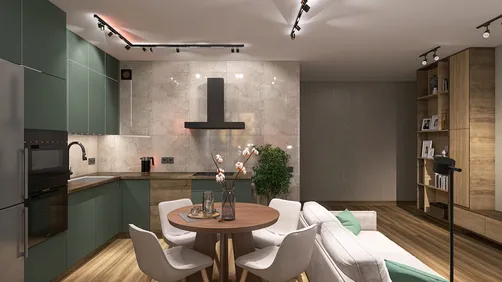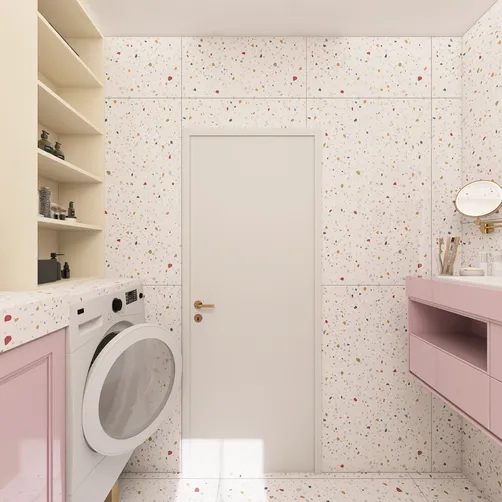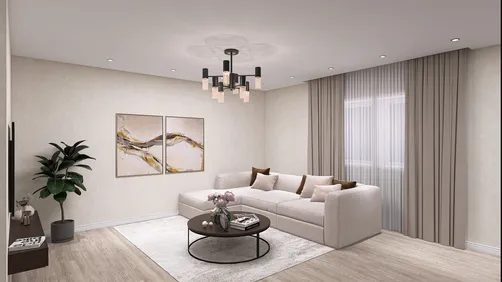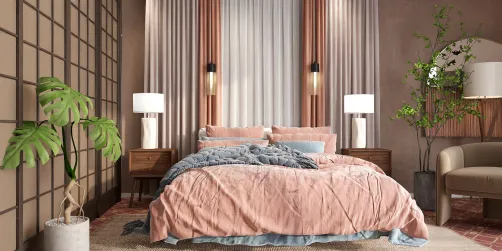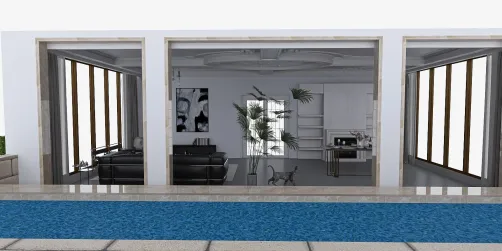
Arranging furniture in a room can seem like a challenging task, yet it truly has the power to improve both the functionality and the visual appeal of your space. Whether you're working with a compact apartment or a spacious home, the essential principle is to enhance the flow and comfort of the area. Here are some helpful tips for effectively arranging furniture using tools like Homestyler.
Understanding Your Space
Before diving into furniture rearrangement, take a moment to evaluate your room. Assess its size, shape, and intended purpose. Measure the dimensions and identify the locations of doors, windows, and electrical outlets. This crucial initial step lays the groundwork for making informed decisions when arranging your furniture.
Creating a Focal Point
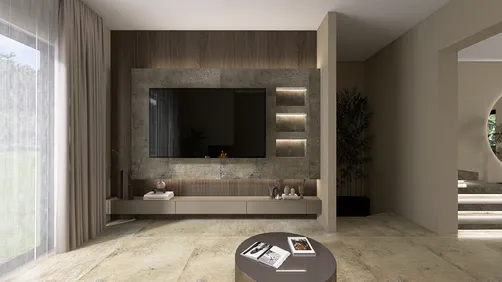
Every room should feature a focal point that captures attention. This could be a beautiful fireplace, an eye-catching piece of artwork, or even a breathtaking view visible through the windows. Position your furniture to emphasize this focal point; for instance, in a living area, you can arrange sofas and chairs to face it, fostering a comfortable gathering space.
Designing Functional Zones
In more expansive rooms, think about establishing functional zones for various activities. For instance, within a living room, a cozy reading nook could be set up with an armchair and a lamp, while the central space promotes conversation. You can use rugs, strategic furniture placement, and lighting to clearly define these zones.
Ensuring Flow and Accessibility
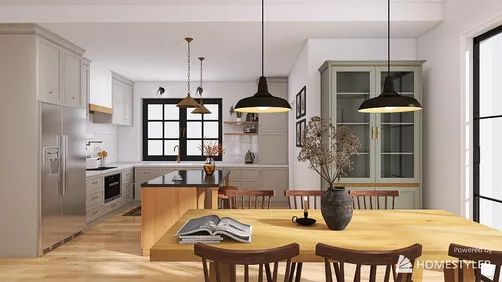
Maintain clear pathways throughout the room to facilitate easy movement. Aim for at least 24 inches of walking space between furniture pieces. This will cultivate a welcoming environment and simplify navigation within the space. Avoid obstructing access to doors or windows with furniture placement.
Leveraging Multi-Functional Furniture
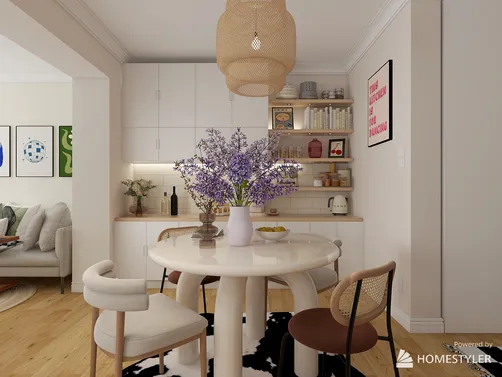
In compact spaces, incorporating multi-functional furniture can be a revolutionary solution. Consider options like ottomans that double as storage units, sofa beds for accommodating guests, or coffee tables equipped with built-in shelves. These elements not only save valuable space but also enhance your room's versatility.
Mindful of Scale and Proportion
When planning your furniture arrangement, be conscious of scale and proportion. Oversized furniture in a petite room can create a cramped feeling, while petite furniture in a large room can seem insignificant. Striking a balance is essential; select pieces that complement one another in size and style to achieve a cohesive aesthetic.
Experiment and Adjust as Needed
Feel free to experiment with various arrangements. Sometimes, the most effective layout only becomes clear after trying several configurations. Utilizing painter's tape to outline the dimensions of the furniture on the floor can help you visualize the effects of different arrangements before relocating bulky items.
Adding the Final Touches
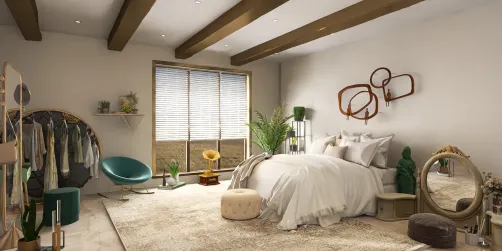
Once you've decided on a layout, enhance your space with personal touches. Accessories such as throw pillows, artwork, and plants can elevate the overall ambiance, making the room feel warmer and more inviting. Layering different textures and colors adds depth and character to your environment.
FAQ
Q: What’s the best approach to arrange furniture in a small living room? A: Embrace a minimalist strategy, select multi-functional furniture, and maintain clear movement paths.
Q: How can I cultivate a cozy atmosphere in my room? A: Arrange seating to foster conversation, add soft textiles, and utilize warm lighting.
Q: Is it necessary to always position furniture facing the TV? A: Not necessarily. While that’s common, it's important to consider the room's layout and its main focal point during the arrangement process.