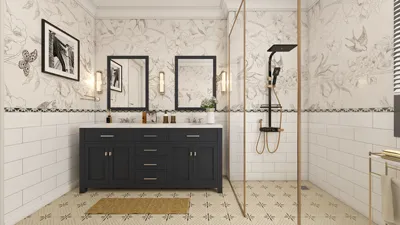
Creating a prayer hall for educational institutions in India transcends mere visual appeal; it aims to cultivate a tranquil atmosphere that nurtures spiritual development and introspection among learners. With India's diverse cultural and spiritual landscape, designs must accommodate a variety of religious expressions, fostering inclusivity and serenity.
Essential Components for Designing a School Prayer Hall
1. **Spatial Configuration**: The design should feature a generous area that comfortably hosts students. It is vital to consider functions like meditation and prayer within the layout.
2. **Natural Illumination**: Integrating expansive windows or skylights will enhance the ambiance. Natural light elevates mood and connects students with their environment.
3. **Airflow**: Optimal ventilation is necessary. Designing with cross-ventilation emphasis will ensure a refreshing and inviting atmosphere.
4. **Sound Control**: The prayer hall should be crafted to reduce noise interference, allowing for undisturbed meditation and prayer.
5. **Eco-Friendly Materials**: Utilize sustainable and regionally sourced materials that honor local cultural heritage. Wood, stone, and clay are exemplary choices.
6. **Adaptable Areas**: The facility should be flexible enough to accommodate varied events, including group prayers, workshops, and community gatherings.
Infusing Cultural Elements into Design
In India, it is vital for a prayer hall to embody local traditions. This can be accomplished through:
Conclusion
To conclude, the design of a prayer hall in schools across India should aim for an atmosphere of tranquility and spiritual resonance. By taking into account the elements outlined, designers can craft a space that not only fulfills its primary purpose but also enhances the educational journey of students. Additionally, employing tools like Homestyler can assist in visualizing and implementing these design principles effectively.
Frequently Asked Questions
Q: What should be prioritized when designing a prayer hall? A: Key considerations involve spatial configuration, natural light, ventilation, sound control, material selection, and adaptability for a range of activities.
Q: In what ways can cultural aspects be integrated into the design? A: Cultural nuances can be incorporated through symbolic motifs, local artistry, and traditional seating arrangements.
Welcome to the Best Homestyler for Home Design Solutions

















![[For dear Adelina madee 🤎]](https://hs-designs.homestyler.com/production/design/images/8a07e535-9cbc-4132-a42a-5932dac3a112/1706972286037.jpg?x-oss-process=image/resize,w_502,m_mfit/format,webp)