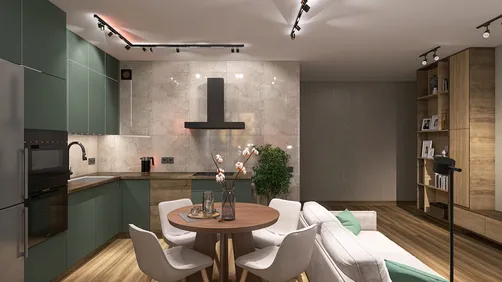
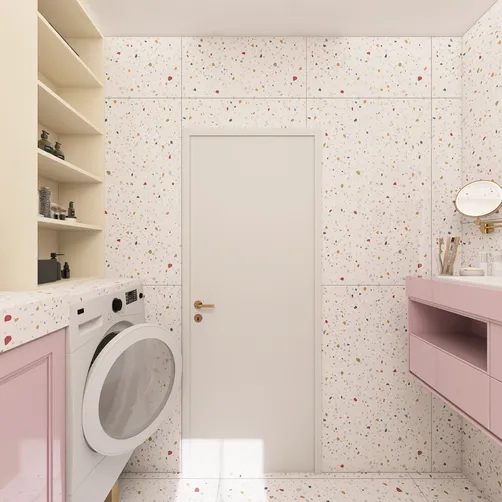
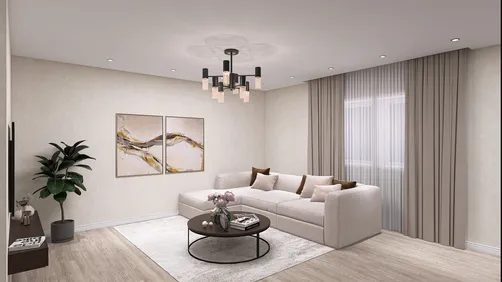
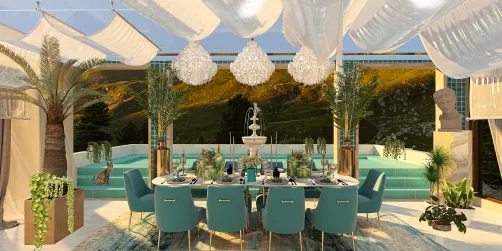
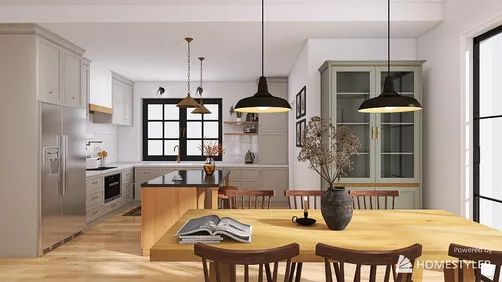
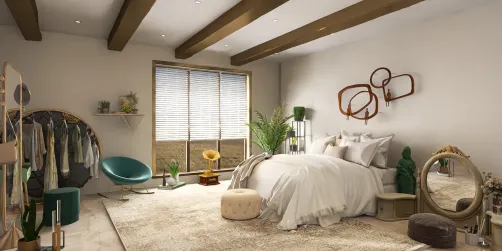
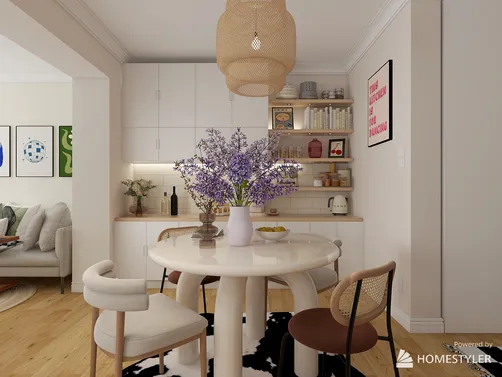
When crafting a cultural autobiography centered on your living circumstances, it's essential to contemplate how your surroundings have molded your identity and experiences. Initiate this reflection by pinpointing significant locations that resonate culturally, such as your childhood residence, shared spaces, or even destinations you've visited that have broadened your outlook. Detail not only the physical attributes of these places but also delve into the emotional ties and cultural stories they embody, perhaps even exploring design tools like Homestyler to visualize these environments.
Awareness of Your Surroundings
Reflect on the progression of your living situations over the years. Has your family relocated? How did this transition affect your dwelling places? Consider the cultural customs associated with these locations, from family get-togethers to the challenges of adjusting to new settings. Employ descriptive language that engages the senses—what were the sights, smells, and tactile sensations of these spaces? This sensory detail invites readers to forge a deeper connection with your journey.
Examining Cultural Impact
Analyze the cultural backdrop of your living arrangements. In what ways did your household embody your family's values, beliefs, and traditions? Were there notable items or decorations that carried special meaning? This introspection not only enriches your narrative but also emphasizes the dynamics between culture and spatial environment. Incorporating stories that illustrate how your living space influenced your sense of community and belonging can deepen your narrative.
Linking to Larger Themes
Connect your personal narratives to wider cultural themes. How do your living conditions reflect experiences of displacement, migration, or cultural integration? Such connections provide further depth to your autobiography, enabling readers to engage with shared themes through your distinctive experiences. Additionally, you might examine the differences between various living conditions, such as urban versus rural scenarios, and how these settings have affected your worldview.
Incorporating Visual Storytelling
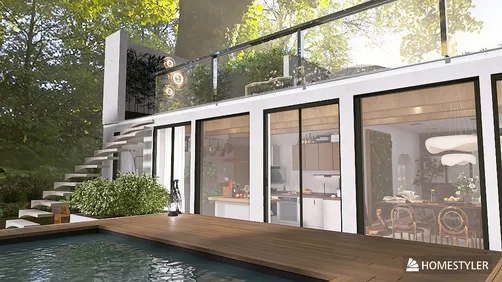
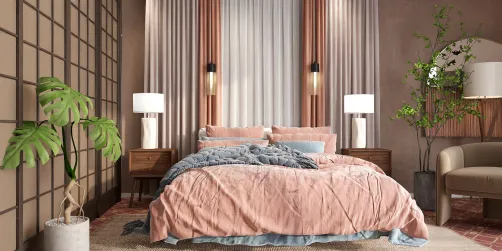
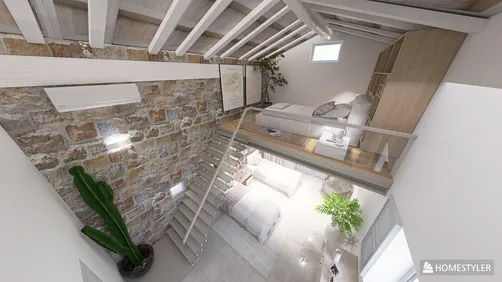
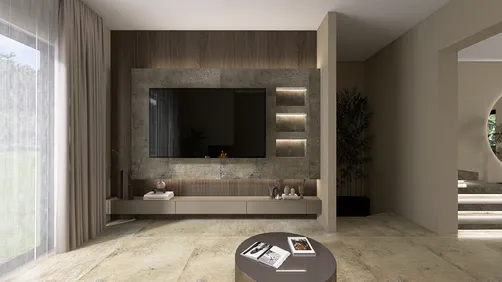
If feasible, integrate visual elements into your narrative. This could involve including photographs or drawings of your living spaces, or even utilizing Homestyler to design a visual representation of significant locations in your story. Visual aids can enhance your narrative and foster a more profound connection with your audience.
Establishing Writing Style and Tone
Lastly, ensure your writing style remains consistent and true to your voice. Employ narrative techniques such as dialogue or reflective insights to vividly portray your living arrangements. Remember that your cultural autobiography is a personal journey, so be sure to infuse it with your individual perspective and heartfelt emotions.
Frequently Asked Questions (FAQ)
Q: What aspects should I emphasize when detailing my living arrangements? A: Concentrate on the emotional connections, cultural importance, and personal narratives linked to your living environments.
Q: How can I render my living arrangements relatable to my audience? A: Utilize vivid imagery and relatable stories to evoke emotions, fostering connections with your readers.