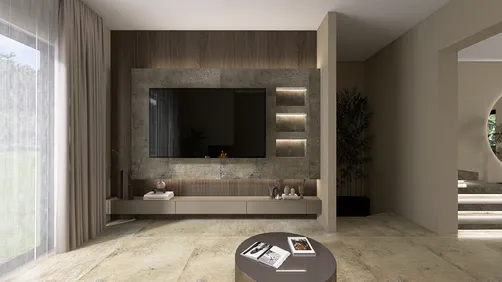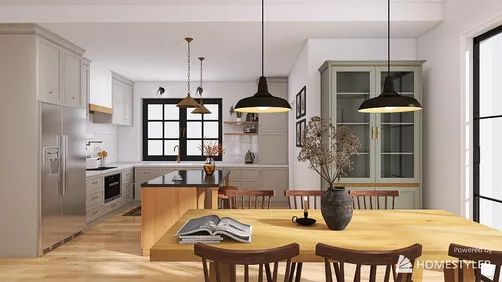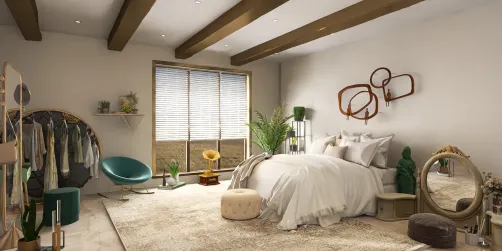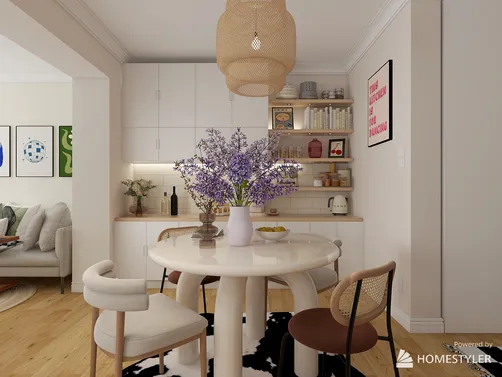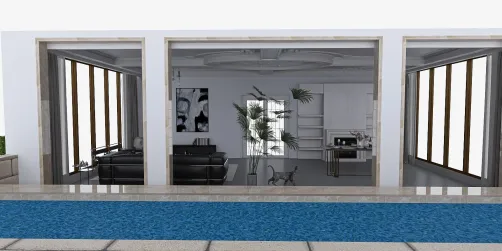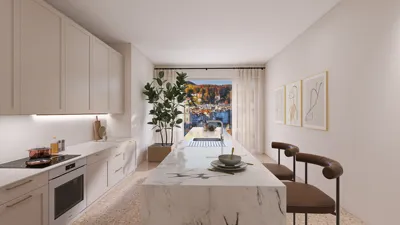
With the rise of game pass games, many gaming enthusiasts are transforming their living spaces into immersive entertainment hubs. Integrating comfortable seating and strategically placed lighting enhances the gaming experience, while modular furniture allows for adaptable layouts that accommodate both playtime and downtime. Creating a dedicated gaming zone within the home not only maximizes enjoyment but also contributes to a balanced lifestyle.
I once encountered a client who insisted that their bathtub had to fit snugly between two radiators while still providing a cozy space for weekend relaxation — I agreed, only to discover just how many imaginative solutions truly exist. In small bathrooms, the restrictions can inspire innovative designs; I've created layouts that turned compact spaces into luxurious retreats. Initially, consider exploring small bathroom layouts to see how a bathtub can fit smoothly without obstructing movement.
1. Alcove mini tubs — narrow but deep
I have a fondness for alcove mini tubs, as they exchange length for depth: you can indulge in a full soak without requiring the space of a traditional bathtub. They work beautifully against an existing wall and are often more economical to install; however, keep in mind the need for a steeper step-in and reliable anti-slip finishes.
save pin
2. Corner and triangular tubs — utilize the awkward corner
Corners of the bathroom often remain underused. By incorporating a triangular or rounded corner tub, you can convert that dead space into a snug bathing area while freeing up linear wall space for a vanity and storage options. The only drawback may be the plumbing complexity — but once the drainage is aligned, it creates a compact, luxurious feature that makes the room feel larger.
save pin
3. Japanese-style soaking tubs — prioritizing depth over length
Ofuro tubs are designed to be short yet deep, perfect for those who prefer sitting upright and submerging fully — ideal in bathrooms lacking space for a longer tub. They pair excellently with overhead shower fixtures or a simple handheld shower, and you can utilize Homestyler to preview shapes and finishes in 3D before purchasing to sidestep unexpected surprises.
save pin
4. Shower-tub hybrids and folding screens
By merging a shallow tub with an overhead shower, you achieve both quick refreshes and occasional soaks. Incorporating a folding glass or fabric screen minimizes swing space; just be vigilant about waterproofing at connections because these hybrids can get messy if not executed properly. Pro tip: a pre-fabricated combo tends to cost less than a fully customized waterproof solution.
save pin
5. Built-in bench tubs with storage underneath
Think of your bathtub as a multifaceted piece of furniture: a built-in bench tub with storage draws or niches underneath optimizes functionality. Although it may involve more carpentry, it provides you with towels and toiletries without needing extra cabinetry — and using quick floor plans allows you to visualize the layout efficiently before making any alterations to the tile.
All five suggestions are most effective when you emphasize circulation and water management: maintaining clear sight lines, ensuring the door swings efficiently, and opting for materials that withstand splashes and humidity. I've successfully implemented these strategies in numerous small bathrooms — some were budget-friendly, while others required a bit more for custom plumbing — yet every space felt more expansive afterward.
save pin
FAQ
Q1: What qualifies as a small bathtub?
A small bathtub generally measures under 60 inches (152 cm) in length, or is distinctly more compact than a standard 60-inch tub. The critical factor is how it fits within your room’s circulation rather than just the raw dimensions.
Q2: Is it possible to install a soaking tub in a small bathroom?
Absolutely — soaking tubs are often shorter yet deeper, making them ideal for limited footprints. You will need to confirm floor load and plumbing clearances before installation.
Q3: Are corner tubs comfortable for average-sized adults?
Many corner tubs are surprisingly ergonomic; they are most suitable for those who don’t require lying flat. Try out a mockup or utilize a 3D view to assess the seating angle before making a decision.
Q4: What materials are suitable for small bathtubs?
Acrylic and fiberglass are lightweight and affordable, while cast iron or stone resin offer a premium feel but add weight. For tight spaces, opting for lighter materials simplifies transport and installation.
Q5: How can I avoid water splashes in a shower-tub hybrid?
Implement a folding glass screen, a full-height fixed panel, or a sealed curtain, while ensuring proper incline towards drains. Diligent attention to detail around seams helps prevent leaks and reduces long-term upkeep.
Q6: Is accessibility achievable with small tubs?
Yes, opt for tubs with lower step-ins, built-in seating, or transfer benches. If accessibility is a primary concern, plan early to adapt plumbing and doorways accordingly.
Q7: What budget should I expect for a compact tub installation?
The budget can vary: a prefab small tub plus basic installation can be quite economical, whereas custom alcove solutions or reinforced flooring may elevate costs. I usually suggest a contingency of 10–15% for unexpected expenses in older properties.
Q8: Are there any codes or standards I should be aware of?
Building codes differ, but accessibility standards, such as the ADA 2010 Standards (refer to ada.gov), provide clear guidelines on dimensions and safety, particularly when accessibility is a focus.
save pin



Homestyler is your go-to online home design platform! With its user-friendly design tool, stunning 3D renderings, and a wealth of design projects and video tutorials, you can effortlessly create and visualize your dream home. Start your design journey today!