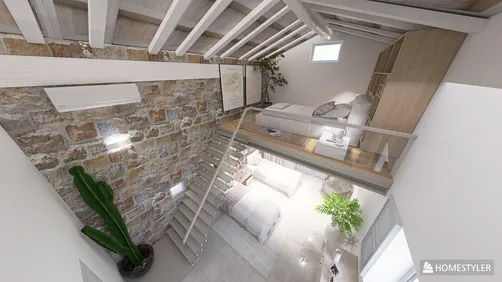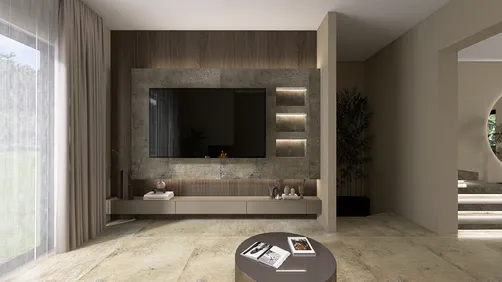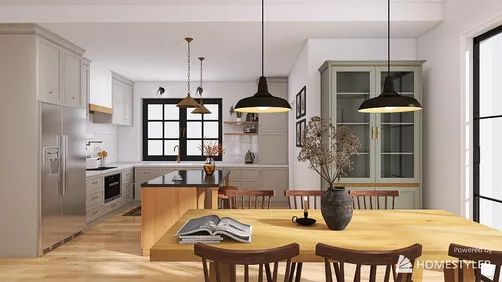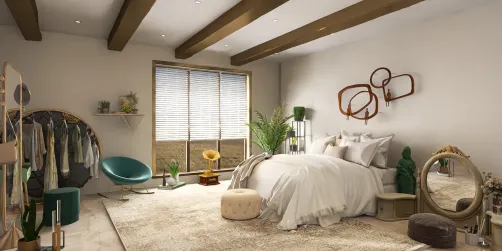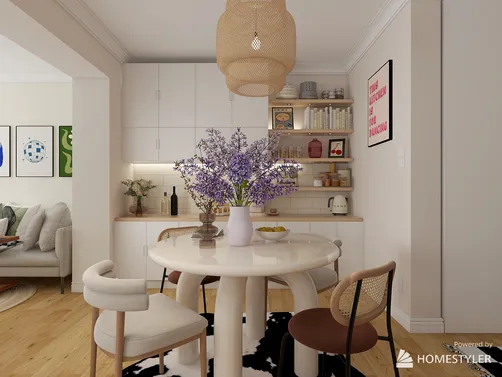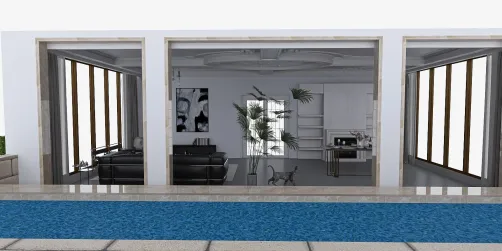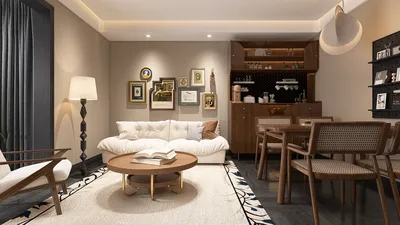
With the rise of game pass games, many gaming enthusiasts are transforming their living spaces into immersive entertainment hubs. Integrating comfortable seating and strategically placed lighting enhances the gaming experience, while modular furniture allows for adaptable layouts that accommodate both playtime and downtime. Creating a dedicated gaming zone within the home not only maximizes enjoyment but also contributes to a balanced lifestyle.
I once attempted to fit a full-sized cutting table into a tiny room because my client insisted it should feel like a studio. The table just managed to squeeze in, but our cat quickly claimed the only usable space — lesson learned. To steer clear of similar disasters, I now begin with smaller layouts and create mockups before purchasing anything; a swift layout mockup helped me save both time and money on that project.
Small spaces can inspire immense creativity, and I’m excited to share five practical sewing room ideas that I utilize in real projects. These strategies are hands-on, budget-conscious, and proven effective in compact apartments and secondary closets — ideal for anyone looking to create a functional space without the mess.
1. Vertical storage and wall zones
Pegboards, magnetic strips, and slim wall cabinets can transform plain walls into organized storage solutions. I adore how thread racks and rulers become both decorative and accessible; just remember that heavier machines require floor support, so keep bulkier items at a lower level.
Tip: install a narrow shelf above the pegboard to store patterns and lightweight bins — it provides a sleek look without sacrificing accessibility.
2. Fold-down worktops and multi-purpose furniture
In spaces where floor area is limited, a wall-mounted folding table proves invaluable. It provides a stable surface for cutting and can be folded away for guests or yoga sessions — I have installed several that have withstood years of heavy use, though it's essential to select a robust bracket to prevent wobbling.
A compact sewing cabinet with concealed storage balances aesthetics and functionality; while it may come at a higher price, it keeps everything organized and shields machines from dust.
3. Mobile cutting stations and organized carts
I prefer a mobile cutting cart with lockable wheels — roll it out for use, then tuck it under a table when done. It keeps tools like rulers, rotary cutters, and scraps within easy reach, but be mindful of weight limits to prevent sagging over time. For complicated layouts, I utilize realistic 3D renderings to assess clearance and lighting before committing to a significant tabletop.
Budget tip: convert a shallow dresser drawer into an under-table storage bin for fabric remnants; it’s an affordable and surprisingly effective solution.
4. Layered lighting and clear task areas
Ample lighting is crucial for sewing tasks. By blending natural daylight from a window with an adjustable LED task light and under-shelf strip lighting, I once transformed a dreary corner into the brightest spot in the house. Just remember the wiring aspect — plan for outlets and consider using clamp lamps to avoid permanent wiring if you are a renter.
Pro tip: opt for color-correct LEDs (approximately 5000K) to accurately assess thread and fabric colors.
5. Zone your workflow with clever layouts
Organize machines, cutting areas, pressing locations, and storage in a circular pattern to minimize needless walking back and forth. In one diminutive studio, I established a 2-meter work triangle — sewing machine, iron, and fabric storage — and my productivity significantly improved. However, maintaining flexibility is key: keep some space open for larger projects to expand temporarily.
If you seek tailored layout suggestions for uniquely shaped spaces, leveraging AI design tools like Homestyler can quickly generate efficient setups — especially useful when time or spatial creativity is lacking.
Tips 1:
Always measure twice and buy only once: outline the footprint of your largest piece on the floor with tape to check for flow. Minor investments like sturdy wheels and a bright lamp will pay off for years.
FAQ
Q1: What’s the optimal sewing table for a compact room?
A fold-down wall table or a compact cabinet with a pull-out leaf typically works best. These options conserve floor space while providing a stable work area when necessary.
Q2: How do I store fabric bolts in a confined area?
Store bolts vertically in a narrow cube or use under-bed flat bins for folded fabric. Vertical storage enhances visibility and minimizes creases.
Q3: How much space should I leave behind a sewing machine?
Allow at least 60–90 cm (24–36 inches) behind your machine for chair movement and handling fabric. If space is limited, a rolling chair aids in maintaining mobility.
Q4: What lighting is best for sewing and color matching?
Utilize a mix of natural daylight and 5000K LED task lighting for precise color interpretation. Steer clear of warm bulbs that may distort fabric shades.
Q5: Any suggestions for ironing in small areas?
Employ a folding or tabletop ironing board that can be stored vertically. A heat-safe pad on a table offers a quick fix, but ensure adequate ventilation and a heatproof surface.
Q6: Is it possible to have both a serger and a sewing machine in a compact room?
Absolutely — store them on a robust shelf or stackable units, and schedule their use so you can alternate as needed. Keep dust covers on both to reduce maintenance requirements.
Q7: Are there safety practices for a home sewing area?
Adhere to ergonomic guidelines, ensure cutting tools are sheathed, and avoid overloading outlets. For industry-best safety advice and practices, refer to the American Sewing Guild (ASG): https://www.asg.org.
Q8: How do I effectively design my small sewing room layout?
Begin with a tape-measured blueprint of your largest items and strategically plan workflow zones: cutting, sewing, pressing, and storage. Creating small mockups and realistic visuals can help thwart costly errors and assist in optimizing every square inch.
save pin
Looking to transform your home design ideas into reality? Homestyler offers an exceptional online design tool that empowers you to create stunning spaces effortlessly. With impressive 3D rendering, a wealth of design projects, and engaging video tutorials, it’s your go-to platform for inspiring DIY home transformations!