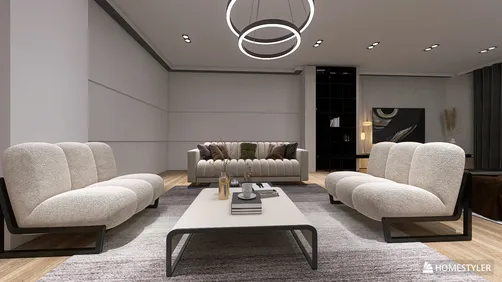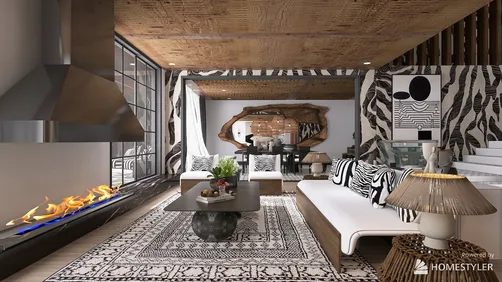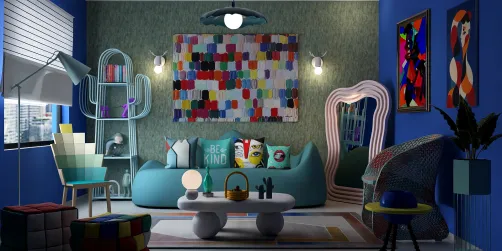
With the rise of game pass games, many gaming enthusiasts are transforming their living spaces into immersive entertainment hubs. Integrating comfortable seating and strategically placed lighting enhances the gaming experience, while modular furniture allows for adaptable layouts that accommodate both playtime and downtime. Creating a dedicated gaming zone within the home not only maximizes enjoyment but also contributes to a balanced lifestyle.
I once nearly lost a client due to a beanbag fort that obstructed the only window in a small playroom — a valuable lesson learned: while kids thrive in cozy hideouts, natural light is paramount. That day, I quickly sketched a layout that maintained window access while still fostering creativity. Designing playrooms with limited space demands intelligent choices, which is precisely why I enjoy creating play areas that feel spacious despite their compact size.
Below, I share five playroom concepts that have been implemented in real projects — each one pragmatic, kid-approved, and considerate of budget constraints.
1. Go vertical: climbing wall meets bookshelf
In a 9 square meter room where floor storage was unfeasible, I designed a low climbing wall with integrated recessed shelves. Kids adore the textured grips, while parents appreciate the hidden storage for books — it’s a playful solution that keeps the floor uncluttered. The safety aspect is crucial: soft flooring and age-appropriate grips are necessary, but it's a remarkable solution for tight spaces.
save pin
2. Multi-functional furniture: bench seats with cubbies
Benches equipped with built-in cubbies serve as seating, storage, and even a mini-stage for puppet shows. In one instance, we used vibrant bins to make sorting a fun game; as a result, tidying up became more efficient. The trade-offs are clear: custom designs typically come with a higher price tag than off-the-shelf options, but crafting your own with plywood can be a cost-effective alternative.
save pin
3. Flexible zones with rugs and low shelving
For a small urban flat, I created distinct zones using washable rugs and low shelving to define areas for reading, building, and art — kids easily grasp boundaries when the floor design signals them. To visualize various layouts before purchases, creating a photorealistic 3D view using Homestyler assisted my clients in determining the best rug sizes and toy wall placements without the hassle of moving heavy furniture. This method is budget-friendly and easy to adjust, although it requires some discipline to keep the areas organized.
save pin
4. Fold-away workstations and lofted sleep/play
In one of my projects, we transformed a single tiny room using fold-down tables and a compact loft bed to create a study area by day and a sleeping/play space by night. We designed a slim ladder and included storage beneath the loft to maximize floor area. While it's a clever space-saving solution, it requires meticulous planning for headroom and safety — if in doubt, using an AI-generated concept can quickly showcase various loft heights and ladder styles.
save pin
5. Sensory wall and rotating toy display
Transform small spaces with a creatively designed wall: clipboards for changing art displays, magnetic panels for puzzles, and a lazy susan shelf for toys. I utilized budget-friendly materials and switched themes seasonally; children enjoy the newness, and parents value the organized chaos. The only downside is maintenance — rotating items keeps the area stimulating, but you'll need a straightforward routine to manage clutter.
save pin
FAQ
Q1: What is the best flooring for a small playroom?
A: Soft EVA foam tiles or washable rugs are ideal — they cushion falls and are easy to maintain. Opt for lighter colors to create an illusion of a larger space.
Q2: How do I make a playroom feel bigger?
A: Incorporate vertical storage, mirrors, and consistent low shelving to enhance sightlines. Positioning large furniture along the walls opens up more central play space.
Q3: Are loft beds safe for young children?
A: Loft beds are generally suitable for children over six, provided they have guardrails, a sturdy ladder, and adequate ceiling height. Always adhere to safety guidelines from manufacturers during installation.
Q4: How can I keep toys organized in a tiny room?
A: Utilize clear bins, labeled baskets, and a rotation system—store half and swap monthly to minimize overwhelm. Low cubbies allow children to assist in tidying up.
Q5: What lighting works best in a small playroom?
A: A layered lighting approach—combining overhead lighting with task lamps and night lights—offers flexibility. Natural light is invaluable; ensure windows are unobstructed by bulky furniture.
Q6: Can I create a playroom on a tight budget?
A: Certainly — consider painting an accent wall, sourcing inexpensive seating, and repurposing kitchen bins for toy organization. Small investments in impactful pieces, like a stylish rug or shelving, can significantly enhance the space.
Q7: Any safety standards I should check?
A: Yes — adhere to guidelines set by the American Academy of Pediatrics (AAP) regarding toy safety: select age-appropriate toys and avoid small parts for children under three. This reduces the risk of choking and injuries.
Q8: How do I involve kids in the design?
A: Allow them to choose colors, select favorite toys to display, or collaborate on creating an art wall — when kids feel a sense of ownership, they are more likely to respect the space.
Homestyler is your go-to online platform for transforming home design ideas into reality. With its user-friendly design tool, stunning 3D renderings, and a wealth of design projects and video tutorials, you can effortlessly create and visualize your dream spaces from the comfort of home!