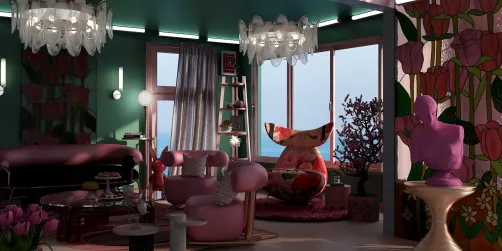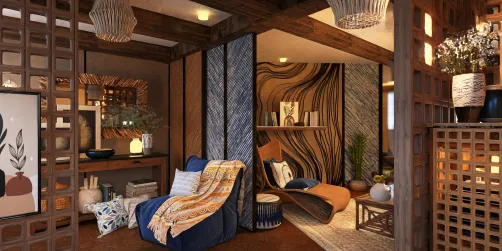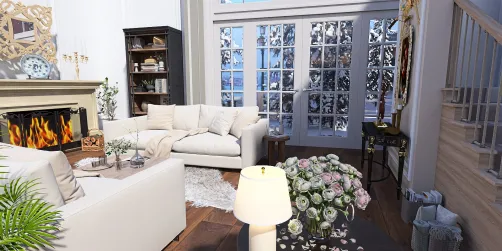
In recent years, I've observed that the decor for living room accent walls has evolved beyond a mere trend—it now serves as a personal expression. In smaller spaces, I've discovered that an accent wall can ignite significant creativity, transforming the ambiance of a room without the need for an extensive renovation. Today, I'm excited to share 10 creative living room accent wall decor ideas I've personally implemented in real projects, merging my experiences with expert recommendations, including insights on using Homestyler for design planning.
1. Striking Paint Contrast
My Experience: I once turned a dull beige wall into a striking navy centerpiece, which instantly grounded the room. Choosing the right color can redefine a space’s atmosphere while highlighting furniture shapes.
Benefits: This approach is an economical way to introduce drama; it’s simple to change if your tastes shift. As noted by Architectural Digest, high-contrast walls can invigorate the look of a small living area.
Drawbacks: Dark hues can make a compact area feel confined if not balanced with lighter elements. Proper preparation and lighting are essential during the painting process to avoid streaks.
Tip: Opt for a matte or eggshell finish to minimize visible imperfections.
2. Textured Wallpaper
My Experience: I used a linen-patterned wallpaper behind a client's sofa, which added elegant depth to the living room without overwhelming the space.
Benefits: It brings a sense of warmth, conceals minor imperfections on walls, and comes in a plethora of patterns, making it perfect for unique living room accent wall decor ideas.
Drawbacks: Installation requires patience, and patterned wallpaper may restrict future design options.
Example: In a previous project, I combined textured wallpaper with minimalist wood shelving to create a balanced focal point that was both functional and aesthetically pleasing.
3. Geometric Paneling
My Experience: I'm a huge proponent of custom geometric wood paneling, particularly in mid-century modern settings. It adds architectural interest while maintaining a clean look.
Benefits: This timeless design offers a visual structure that can be painted to fit any color scheme and enhances the property's value.
Drawbacks: The process is labor-intensive and requires precise measurements and tools, or the hiring of a carpenter.
Tip: For a cost-effective build, consider using MDF instead of solid wood.
4. Statement Artwork
My Experience: A single large piece above the sofa can have a similar impact as a gallery wall. I once placed an abstract canvas in a client’s lounge, completely transforming its atmosphere.
Benefits: It's easy to refresh your space seasonally; it directs attention to one focal point. Data from Houzz suggests that oversized art can create the illusion of higher ceilings.
Drawbacks: Quality artwork can be expensive, and it requires thoughtful spacing to avoid overwhelming the room.
5. Vertical Wooden Slats
My Experience: Incorporating vertical wooden slats instantly adds warmth and texture; I often select oak or walnut for a modern, organic touch.
Benefits: These slats promote sound absorption and introduce natural elements, making them ideal for Scandinavian or Japandi styles.
Drawbacks: It can be pricey for larger installations and requires meticulous alignment.
6. Gallery Wall with Varied Frames
My Experience: A curated mix of frame styles and art pieces creates a dynamic, personal narrative in your space.
Benefits: Completely customizable; great for compact living areas since it utilizes vertical space; accent wall paint can provide contrast beneath.
Drawbacks: There's a risk of looking cluttered if the arrangement isn't well thought out.
Example: In one project, I merged mixed frames with a subtle geometric mural, achieving depth without chaos through careful spatial planning.
7. Built-in Shelving Niche
My Experience: I designed a recessed niche in a wall to display books and plants, transforming an awkward area into a functional statement piece.
Benefits: It offers storage without invading floor space, visually stabilizing the wall while enhancing the property's appeal.
Drawbacks: This requires structural modifications and might not be suitable for rental properties.
8. Mirror Feature Wall
My Experience: Installing an array of antique mirrors helped reflect light beautifully, making a narrow living room appear twice its size.
Benefits: Mirrors can visually expand a space, enhance lighting, and add a touch of elegance.
Drawbacks: They require regular cleaning and may feel cold if overused.
Tip: Mix various mirror shapes for a softer look.
9. Two-Tone Paint with Molding
My Experience: Dividing a wall horizontally using wainscoting and two complementary shades added an elegant touch in a recent design.
Benefits: This adds character; wainscoting protects lower walls from wear and suits traditional or eclectic accent wall decor ideas.
Drawbacks: Precision is key for a clean appearance, and you may need professional assistance with molding installation.
10. Stone or Brick Veneer
My Experience: I installed a whitewashed brick veneer, adding rustic charm to a modern loft living room I designed.
Benefits: It introduces texture and a sense of history; it’s durable and low maintenance, perfect for achieving an industrial or farmhouse aesthetic.
Drawbacks: This material is heavy, and DIY installation can be challenging.
Example: Combining brick veneer with bespoke lighting design produced a warm glow ideal for evening gatherings.
Conclusion
Regardless of its size, your living room has no limits—accent walls offer a blank canvas for impactful, intelligent design. As highlighted by HGTV, well-chosen focal points cultivate harmony and functionality. Which of these 10 living room accent wall decor ideas are you eager to explore? Consider utilizing Homestyler to visualize your choices effectively.
FAQ
Q1: What is the most budget-friendly approach for a living room accent wall?
A: Painting in a bold contrasting color offers a budget-friendly yet striking option that can be easily updated later.
Q2: Are accent walls suitable for small living rooms?
A: Absolutely! The strategic application of light colors, mirrors, or vertical features can enhance the perception of space—supported by findings from the Small Space Design Institute.
Q3: Which materials effectively add texture to accent walls?
A: Popular choices include wooden slats, stone veneer, and textured wallpapers, which all provide tactile appeal.
Q4: Should the accent wall match the colors of the furniture?
A: Coordinating colors can enhance cohesion, but contrasting tones can inject excitement—the choice depends on your overall style.
Q5: Are removable wallpapers a viable option?
A: Definitely, especially for renters. Modern peel-and-stick options are easy to apply and remove when needed.
Q6: How should I select artwork for an accent wall?
A: Scale is crucial; oversized artwork works excellently for creating focal points, while gallery walls provide diversity.
Q7: Can lighting enhance the appearance of an accent wall?
A: Yes, using wall sconces or LED strips can effectively highlight textures and colors.
Q8: How do I maintain balance with multiple accent walls in one home?
A: Limit to one focal wall per room to prevent overwhelming the design; accent walls should complement each other to ensure visual flow.
Discover your dream home with Homestyler! This user-friendly online design platform offers an intuitive design tool, stunning 3D renderings, and a wealth of design projects and video tutorials. Perfect for both novices and seasoned designers, it's time to bring your vision to life effortlessly!