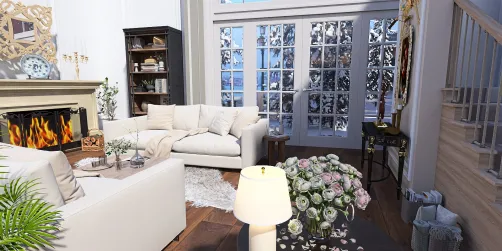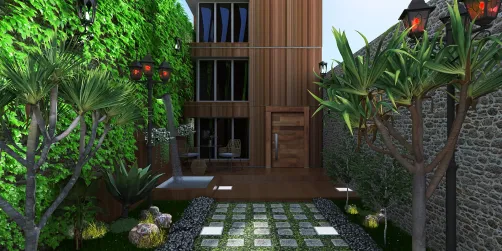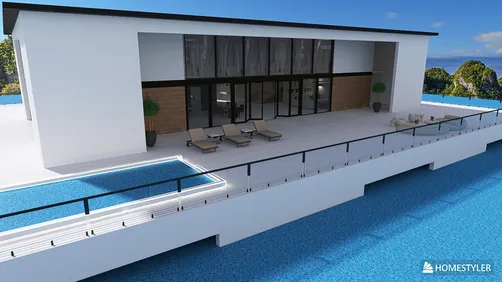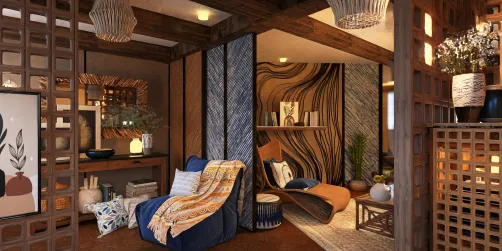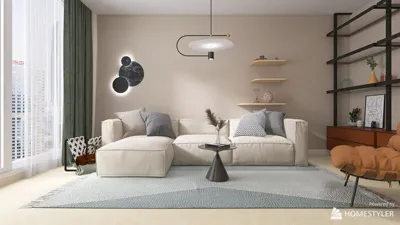
Once, a client requested that I fit a large dining table for eight into a compact apartment kitchen. Initially, I chuckled, but deep down I realized it was a valuable lesson: small spaces should be seen as creative opportunities rather than limitations. Take eat-in kitchens, for instance, which transform cooking areas into vibrant, multi-functional centers of home life. Today, I’m excited to share five practical ideas I've implemented successfully over the years, all of which work beautifully in real-world settings.
Idea 1: Cozy Breakfast Nook Beneath the Window
Creating a sunlit coffee spot is one of my favorites, and a small bench tucked under your kitchen window can achieve this perfectly. A compact, built-in banquette not only conserves space but also provides valuable storage underneath. I utilized a room designing tool to experiment with various bench dimensions before making a decision — it was absolutely worth it.
save pin
Idea 2: Kitchen Island with Extended Countertop
For those with a kitchen island, extending the countertop just enough to accommodate stools is a fantastic workaround. This allows you to eat, work, or converse while cooking, eliminating the need for an additional table. The real struggle? Keeping that area tidy, which I still find challenging at times.
save pin
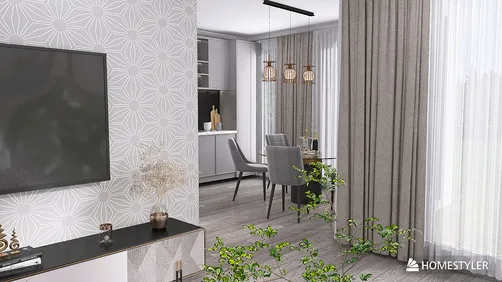
Idea 3: Narrow Bar Table Against the Wall
Ideal for galley kitchens, a wall-mounted bar table coupled with slender stools can create an eating area without obstructing your path. I once designed one where we even included wine storage underneath — using a free layout designer helped visualize how much space we actually had for seating.
save pin
Idea 4: Versatile Dining Cart
This one’s my favorite for renters: a wheeled cart that serves as a prep area during the day and a dining table at night. It's adaptable and economical, but make sure to get one with strong locking wheels unless you enjoy chasing your meal across the floor.
save pin
Idea 5: Peninsula Counter with Seating
Rather than opting for an island, a peninsula can seamlessly connect cooking and living spaces with a built-in eating ledge. I recently designed one using an advanced kitchen layout planner to ensure accurate proportions — a crucial aspect of balancing walkways with comfortable seating arrangements.
save pin
FAQ
1. What does an eat-in kitchen entail? An eat-in kitchen features an area for dining integrated right into the cooking space, allowing for both meal prep and dining in one location.
2. Are eat-in spaces feasible in small kitchens? Absolutely; smart design and compact furnishings can make eat-in zones a reality in even the smallest kitchens without causing a feeling of congestion.
3. What’s the most effective space-saving eat-in solution? Built-in banquettes or wall-mounted bar tables are often the most functional for tight spaces.
4. How do I determine the correct seating height? Standard counter height is typically 36 inches, while bar height is around 42 inches. Base your choice on comfort and the heights of existing surfaces.
5. Are eat-in kitchens beneficial? They enhance interaction, free up space elsewhere, and streamline hosting — however, it's essential to account for flow and cleaning considerations.
6. Can I create a DIY eat-in kitchen? Definitely, especially if you leverage online layout tools to préalable your designs. Accurate measurements are vital.
7. Do eat-in kitchens increase property value? According to Realtor.com, well-thought-out eat-in kitchens are highly desirable, especially for family-oriented homes.
8. What materials suit kitchen eating areas best? Durable, low-maintenance surfaces such as quartz or solid wood are ideal for dining zones within kitchens.
Homestyler is your go-to online home design platform, perfect for anyone looking to transform their space. With its user-friendly design tool, stunning 3D renderings, and a wealth of DIY video tutorials, you can effortlessly bring your interior design visions to life!