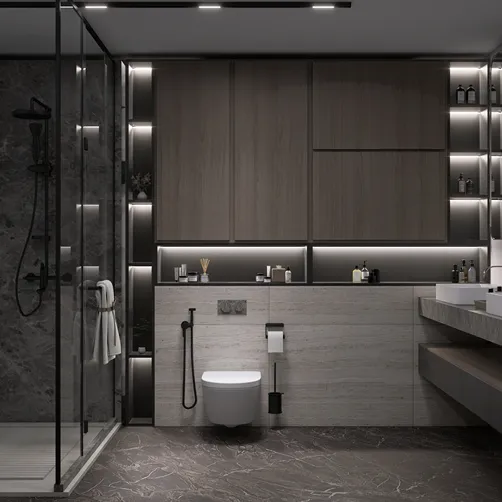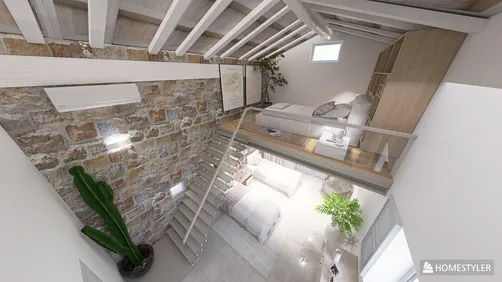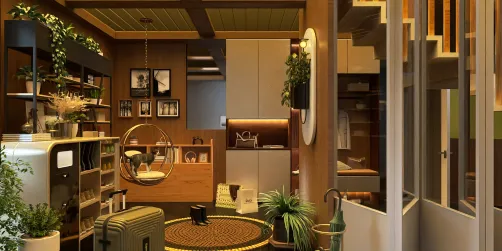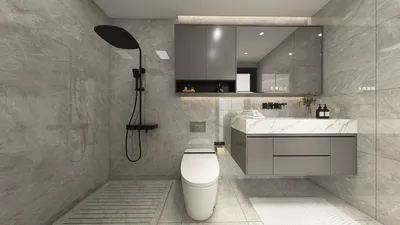
In today's tech-driven lifestyle, managing personal and professional connections efficiently often starts with tools inspired by CRM stock trends. As we integrate more digital organization into our daily routines, creating dedicated home office spaces with ergonomic furniture and smart storage solutions becomes essential. These setups not only enhance productivity but also bring harmony to the space where technology meets comfort and design.
Once, a client asked me to conceal a washer inside a Victorian clawfoot tub—true story—and I had to gently explain that romance and plumbing codes don’t always align. That little mishap taught me that small spaces can ignite significant creativity; with proper planning, you can design a bathroom that accommodates laundry effortlessly, instead of feeling cramped. To help you conceptualize the possibilities, I often tell clients to visualize the layout in 3D before making any purchases.
1. Stack and tuck: vertical laundry tower
I love recommending a stacked washer-dryer in a narrow closet or nook. This design clears up floor space and creates a clean vertical sightline that can be easily concealed with a sliding door or bi-fold. The primary challenge lies in ensuring proper ventilation and access for servicing, so plan for a removable panel above or beside the appliance.
save pin
2. Wet-room approach with a dedicated laundry corner
If your bathroom is already geared to manage splashes, converting a corner into a wet-compatible laundry zone is a smart move. Employ waterproof cabinetry and a raised, sloped drain pan to contain any leaks, though you should anticipate slightly elevated waterproofing expenses. The benefit is seamless cleanup and a cohesive finish.
save pin
3. Under-sink washer and drawer storage
For extremely compact designs, I sometimes recommend an under-sink washer alongside deep drawers for linens. This setup feels very Scandinavian and effectively keeps daily clutter hidden. The trade-off may be reduced washer capacity and more complex plumbing, so verify dimensions and service access before finalizing your plans—using a stacked washer-dryer layout in your design helps avoid unexpected issues.
save pin
4. Multi-use surfaces and folding stations
Designing a counter above the washer offers immediate space for folding clothes and a resting spot for toiletries. I suggest using waterproof, easy-clean surfaces so the counter can handle both damp towels and detergent spills effectively. You might sacrifice some storage depth underneath the counter, but the increase in daily convenience is well worth it.
save pin
5. Concealed utility and service access panels
My go-to trick is to hide valves and connections behind a decorative panel that matches the vanity—useful for aesthetics and maintenance. Ensure the panel is large enough for a plumber to work through; otherwise, a simple fix could escalate into a headache. Always consider how you'll optimize ventilation and drainage when combining these two systems.
save pin
Practical budget tips
Expect waterproofing and minor plumbing upgrades to consume a portion of your budget, but you can save money by opting for modular cabinetry and standard washer sizes. I frequently create layout prototypes using inexpensive plywood before committing to final materials—this approach saves money and reveals spatial quirks early.
save pin
FAQ
Q: Can I put a washer in my bathroom?
A: Yes, many bathrooms can accommodate a washer if you account for plumbing, drainage, ventilation, and waterproofing. Local regulations may have specific requirements, so be sure to check before installation.
Q: Do I need special ventilation for a washer in the bathroom?
A: Yes, adding or enhancing ventilation is essential to manage humidity—especially when a dryer is included. A properly sized exhaust fan helps reduce mold risk and promotes comfort.
Q: Is a stacked washer-dryer efficient?
A: Stacked units are compact and make efficient use of space, although their capacity might be less than side-by-side machines. They are ideal for singles, couples, or small families.
Q: What about noise and vibration?
A: Place the washer on a level, reinforced floor and consider using anti-vibration pads if necessary. Enclosing the machines in a closet with sound-absorbing materials can also help minimize noise.
Q: How do I prevent leaks and water damage?
A: Employ a drain pan under the washer, install a water alarm, and ensure all plumbing connections are accessible for maintenance. Regularly inspect hoses and valves for wear.
Q: Can I use regular bathroom cabinetry near a washer?
A: Opt for moisture-resistant materials and finishes; plywood with waterproof veneer or marine-grade MDF is preferable to standard particleboard in damp environments.
Q: Are there energy-efficient washer choices?
A: Absolutely—look for ENERGY STAR-certified washers to conserve both water and energy. ENERGY STAR provides verified information about appliance efficiency: https://www.energystar.gov/products/major_appliances/clothes_washers
Q: Do I need a dryer in a bathroom laundry setup?
A: Not necessarily. A ventless heat-pump dryer or drying rack can perform well if venting for a standard dryer is impractical. Consider your climate and how often you’ll need quick laundry turnaround.
save pin


Homestyler is your go-to online platform for home design! With an easy-to-use design tool, stunning 3D renderings, and a variety of inspiring design projects, plus DIY video tutorials, you can effortlessly create your dream space, no matter your skill level.