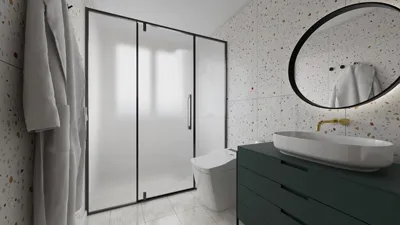


Once, a client tasked me with creating a basement office that could also function as a covert karaoke lounge. Initially, I thought it was a joke, but it turned into a fascinating challenge—particularly when it came to concealing a microphone stand in plain view. This project imparted a valuable lesson: basements may be hidden away, yet they can inspire the most daring design innovations. Today, I'm excited to share ten ideas for transforming your basement into a creative workspace. Trust me, these cozy, concealed areas can yield remarkable breakthroughs and lead to satisfying before-and-after transformations. Before you start your project, consider experimenting with a virtual room designer like Homestyler to visualize your ideas.
1. Embrace Layered Lighting
Basements often come with a sense of darkness, so I recommend combining various lighting options—overhead lights, table lamps, and wall sconces. While focused task lighting over your desk is essential, softer ambient lighting can enhance the room's coziness. Mixing different light temperatures—warm for a relaxed ambiance and cooler for a more focused environment—can achieve the perfect balance.
2. Utilize Built-in Storage Solutions
I transformed an oddly placed support column in a basement into a complete wall of shelving. This not only concealed clutter but also showcased books and added structure. Basements often feature nooks that can be effectively utilized; hence, custom built-ins can make every square foot count.
3. Start with Neutrals, Add Bold Touches
To prevent a basement from feeling like a cave, begin with light neutral colors for walls and flooring. Then, introduce vibrant or darker accents—an emerald desk chair could be perfect. Designate one wall for a striking color to draw attention.
4. Prioritize Soundproofing
For those in busy households, insulating basement walls and ceilings can be simpler than expected. Acoustic panels or thick curtains can significantly enhance soundproofing. This investment may be higher upfront but pays off with peace and quiet in the long run.
5. Incorporate Glass Partitions
Adding glass elements increases light flow from adjacent rooms or stairwells, creating a more expansive feel in your basement. I once swapped a solid door for a frosted sliding glass door, and it made a world of difference—like introducing a new window without altering the exterior.
6. Experiment with Desk Placement
Rather than automatically placing your desk against the wall, consider angling it within the room to enhance openness. A tool like a 3D room planner, such as Homestyler, can assist in testing various layouts before making a final decision.
7. Introduce Living Greenery
Even in low-light conditions, you can enhance your space with hardy plants like snake plants or pothos. If maintenance is a concern, opt for realistic-looking faux plants.
8. Choose Ergonomic and Multifunctional Furniture
In basements, every inch of space is valuable. I appreciate desks with hidden compartments or ottomans that double as storage for their versatility. These selections ensure your office remains functional and uncluttered.
9. Add Warmth with Textures
Textiles such as rugs, throws, and textured wall panels can make a basement feel inviting. They also naturally enhance acoustics. Just be sure to select moisture-resistant materials to counteract humidity.
10. Designate a Tech Zone
Keep all tech accessories—including cables, chargers, and printers—organized in a dedicated area to prevent clutter on your desk. I have even concealed a printer within a cabinet with folding doors, making it accessible yet out of sight. Planning for this is easier when you utilize interactive 3D planning software like Homestyler prior to your renovation.
FAQ
Q1: What is the ideal lighting for a basement office?
Layered lighting that incorporates ambient, task, and accent lights is the best approach. The Illuminating Engineering Society suggests that such a mix decreases eye strain and boosts concentration.
Q2: How can I address low ceilings?
Opt for low-profile furniture and vertical decorations to draw attention upward while avoiding bulky overhead fixtures.
Q3: Are windows possible in a basement?
If your basement is above-grade on one side, you can potentially add egress or transom windows, which allow for natural light while adhering to safety regulations.
Q4: What can I do about dampness?
Invest in a dehumidifier and utilize moisture-resistant materials. Ensure to check for leaks prior to any renovations.
Q5: Which flooring types are recommended?
Vinyl plank and engineered wood are both durable and moisture-resistant—ideal options for basement spaces.
Q6: Is soundproofing essential?
It is if you need to concentrate or frequently take calls. Even simple additions like rugs and curtains can help mitigate sound.
Q7: What strategies can I use to make the space feel less confining?
Incorporate light shades, mirrors, and glass partitions to enhance the sense of space, complemented by strategic lighting.
Q8: Is it feasible to DIY a basement office?
Yes, you can manage cosmetic updates yourself; however, for electrical, plumbing, or structural alterations, it's advisable to hire a licensed professional to ensure safety.
Transform your home with Homestyler! This user-friendly online design platform offers an intuitive design tool, stunning 3D renderings, a variety of inspiring design projects, and helpful DIY video tutorials. Whether you're a novice or a pro, bring your vision to life effortlessly!
Projete agora para LIVRE
































