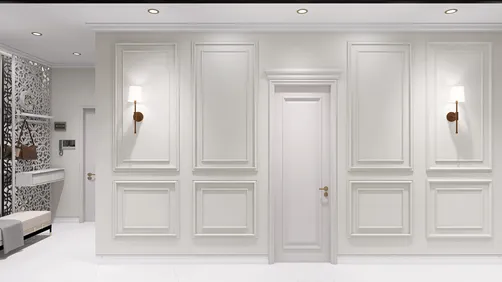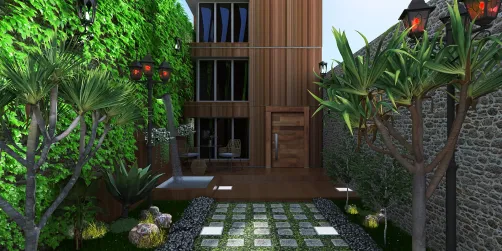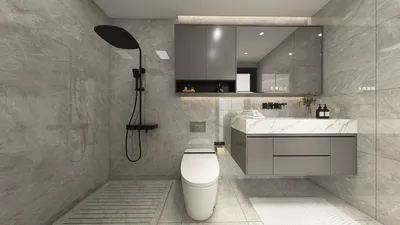
Designing compact passive solar floor plans is vital for enhancing energy efficiency and embracing natural illumination in contemporary living spaces. This approach harnesses solar energy to create a cozy indoor climate while keeping energy expenses low. Regardless of whether you reside in a studio apartment or a smaller home, these layouts can optimize your area without compromising on comfort.
Exploring Passive Solar Design Concepts
The concept of passive solar design revolves around utilizing sunlight for heating and cooling without relying on mechanical systems. Essential components include:
Advantages of Compact Passive Solar Floor Plans
Compact passive solar floor plans present a variety of advantages:
Crucial Elements for Your Floor Plan Design
When crafting compact passive solar floor plans, it’s important to think about integrating the following features:
Incorporate expansive south-facing windows to optimize natural light and warmth, allowing sunlight to flood in during winter while offering shade in warmer months.
An open layout fosters better airflow and light circulation, creating an illusion of a larger and more welcoming environment.
Effective insulation and careful air sealing are essential for achieving energy efficiency. Investing in top-notch materials is key to boosting your home's thermal effectiveness.
Create versatile spaces that can serve multiple functions, such as a home office that can also function as a guest bedroom, maximizing efficiency in smaller footprints.
Illustrations of Compact Passive Solar Floor Plans
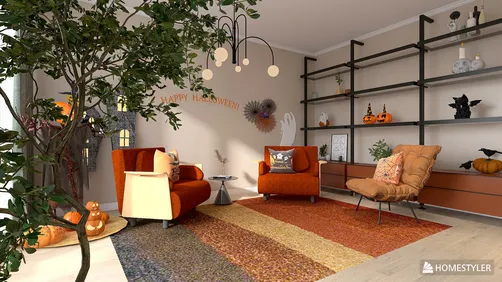
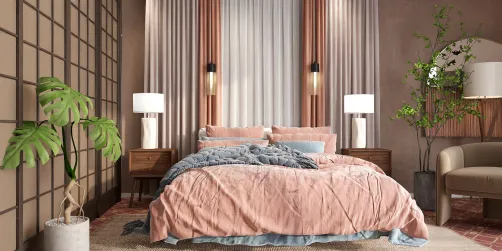
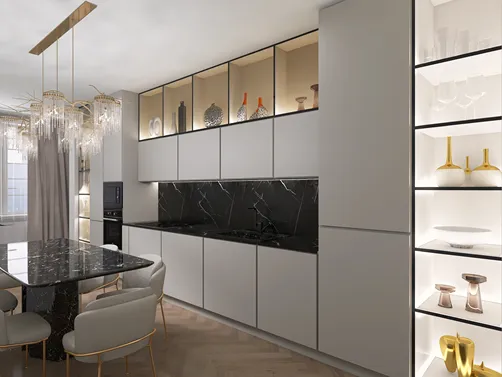
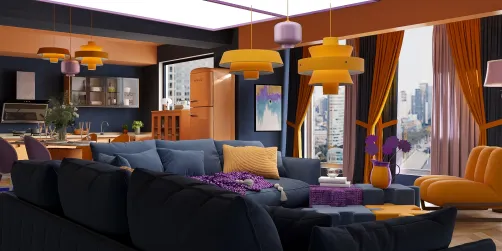
Here are some examples of efficient compact passive solar floor plan designs:
In Summary
Small passive solar floor plans represent an excellent strategy for crafting energy-efficient and comfortable living spaces that do not forfeit style or utility. By integrating deliberate design features, you can ensure your home is not only aesthetically pleasing but also sustainable with tools like Homestyler to visualize your plans.
Common Questions
A: Passive solar design makes use of sunlight for heating and cooling without mechanical support, concentrating on layout, materials, and airflow to maximize efficiency.
A: To improve light distribution in your home, incorporate large south-facing windows, skylights, and an open layout.
A: Absolutely, these designs often lead to reduced energy bills and long-term financial savings due to their energy-efficient nature.
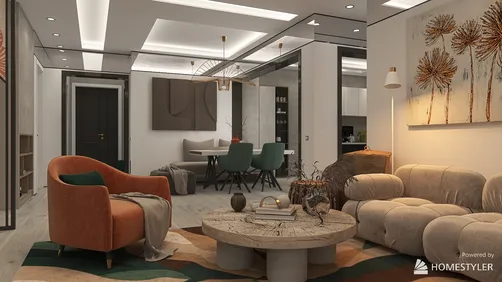
Welcome to the Ultimate Floor Planning Tool















![Design [4]](https://hs-designs.homestyler.com/production/design/images/07c2de3a-88ec-4be8-8910-ff255b795bc2/1731419398293/7841697.jpg?x-oss-process=image/resize,w_502,m_mfit/format,webp)