


I invest significant time in ensuring optimal comfort in compact living spaces. Selecting the right recliner can serve as a focal point in a small living room without obstructing essential pathways or natural illumination. The key lies in balancing size, comfort, and visual weight to create an inviting atmosphere. According to Gensler's 2023 U.S. Workplace Survey, participants associated comfortable seating with a remarkable 30% enhancement in perceived effectiveness for concentration tasks—this comfort is equally vital for how we feel and operate in our homes. In alignment with WELL v2 standards, it’s advised to choose seating that promotes neutral postures and encourages movement throughout the day. Recliners featuring adjustable head and lumbar support are excellent for alleviating discomfort and prolonging seating ease.
The significance of lighting and ergonomic design is often overlooked. The Illuminating Engineering Society (IES) recommends a lighting level of 100–300 lux for living areas, ideally with warm color temperatures between 2700–3000K to foster relaxation. By pairing this with a recliner that positions the hips slightly above the knees and lumbar support that aligns with the lower back curve, you can notably decrease pressure points. Additionally, the choice of color is important—Verywell Mind suggests that soft greens and blues can diminish stress levels, making smaller rooms feel more tranquil and less visually congested.
Choosing the Ideal Recliner for Compact Living Rooms
I consider four essential factors: dimensions, wall clearance, seating ergonomics, and visual harmony. The ideal footprint tends to measure between 30–36 inches in width and 34–38 inches in depth when closed. For wall space, it's best to look for 'wall-hugger' or 'zero-wall' designs that require only 2–6 inches behind the chair to recline fully, compared to the 10–14 inches needed by many traditional recliners. Ergonomically, focus on seat heights of 17–19 inches and a backrest angle of approximately 110–120 degrees for comfortable seating while reading or watching TV. Visually, opt for slim arms, open bases, and lighter fabrics to minimize bulk.
Best Recliner Options for Compact Spaces
- Wall-hugger recliners: These recline by sliding forward, making them perfect for placement near windows or entertainment units.
- Pushback (manual) recliners: These provide a streamlined look with no bulky handles; just ensure they have a smooth mechanism for reclining.
- Swivel glider recliners: Ideal for versatile rooms, these allow you to pivot towards conversations or screens and glide for relaxation.
- High-leg recliners: Raised on legs to create a lighter visual impact; pair with a compact ottoman if a footrest is minimal.
- Petite power recliners: Opt for models with single-motor systems and battery packs to keep cords out of walking paths.
Layout Strategies That Maintain Flow
I first outline the recliner's position, ensuring a 30–36 inch clear path is maintained around it. For living rooms under 140 square feet, consider creating an L-shaped conversation area with a sofa placed along the long wall and the recliner angled 15–20 degrees toward the focal point. In studio apartments, positioning a compact recliner can effectively separate living areas from sleeping zones. If you're exploring options, a room layout tool can help visualize reach and clearance before making a purchase.
Lighting, Colors, and Sound
Layer ambient light by placing a warm floor lamp behind or next to the recliner, combined with a dimmable task lamp to provide 300–500 lux for reading. Choose fixtures that diffuse light to prevent glare. In terms of color, mid-tone fabrics can mask wear while keeping the chair’s appearance subtle, with options like mineral gray, soft olive, or warm taupe. To reduce echo in a room, consider adding a wool throw, a plush area rug under the recliner, and curtains; soft materials help absorb sound, enhancing clarity during conversations and while watching TV, even in hard-floored spaces.
Material Selection and Eco-Friendliness
Choosing durable, breathable materials such as performance polyester-linen blends or wool can enhance the style of small rooms while resisting damage. If leather is your preference, semi-aniline leather offers durability without sacrificing aesthetics. Frames made from kiln-dried hardwood or engineered hardwood with corner blocks ensure longevity. High-resilience foam layered with fiber wraps retains shape without causing a 'stuck' feeling. For those prioritizing sustainability, look for GREENGUARD Gold certified foams or low-VOC finishes, and opt for replaceable cushions to maximize the product lifespan.
Ergonomic Comfort Checklist
- Seat height: 17–19 inches; feet should rest flat with knees at or slightly below hip height.
- Seat depth: 19–21 inches is ideal for most; those with a petite build may prefer 18–19 inches to prevent slumping.
- Lumbar support: The chair should align with your lower back when seated, preventing gaps that encourage poor posture.
- Head support: For avid readers or streamers, a headrest that supports the base of the skull can alleviate neck tension.
- Armrests: Positioning them 7–9 inches above the seat facilitates easier rising without straining shoulders.
Maintaining Visual Balance in Compact Spaces
To ensure a recliner doesn’t dominate a small room, ensure its visual mass corresponds to the sofa. If you have a bulkier, lower sofa, opt for a recliner with tapered legs and slender arms. Conversely, if your sofa is more delicate, a small-scale high-leg recliner can provide complementing support without dominating the space. Maintaining consistent fabric textures aids in creating visual rhythm throughout the seating areas; for cohesion, I prefer mirroring the recliner fabric in a single throw pillow on the sofa.
Smart Features You Should Consider
- Zero-wall mechanism for reduced clearance requirements.
- Power controls featuring a discreet side switch with memory presets as a helpful addition.
- USB-C charging capability to minimize cord clutter.
- Battery pack options to eliminate visibilities of wires.
- Adjustable lumbar and headrest to accommodate multiple users comfortably.
- Quiet motors; checking performance in-store is recommended.
Placement Ideas for Different Room Types
- In a narrow rectangular room, position the recliner opposite or adjacent to the TV wall, angled slightly toward the sofa. Ensure there’s 24 inches between the chair and side table for ease of access.
- In a bay window setting, a high-leg swivel glider allows you to enjoy the view while maintaining clearance.
- In an open-plan area, float the recliner as a central point connecting dining and lounge spaces; a low-profile rug can anchor the area while allowing for foot traffic.
Care Instructions, Maintenance, and Longevity
Rotate cushions monthly to ensure even wear over time. For fabric, use a vacuum with a brush attachment on seams, and spot clean according to the manufacturer’s instructions (W, S, WS codes). Leather upholstery benefits from semi-annual conditioning. Regularly check fasteners as a small adjustment can prevent squeaks and prolong the life of the mechanism. If the recliner is battery-operated, charge it monthly or as indicated to maintain smooth functioning.
When to Opt for a Recliner Over a Lounge Chair
If you frequently enjoy long viewing or reading sessions, the supportive angles and leg rests of a recliner can offer significant advantages. However, if the room is more conducive to conversations, a compact lounge chair with an accompanying ottoman might save depth while offering a lighter presence, albeit requiring more floor space in front. Reflect on your primary activities and choose a piece that aligns with those needs.
Evidence-Based Approach for Comfort and Layout Decisions
Design choices that focus on comfort rely on research. Gensler's studies consistently connect comfort with enhanced user experiences in environments where people spend extended periods. WELL v2 focuses on ergonomic seating and promoting movement, endorsing adjustable and supportive options. These principles guide me in specifying items that need to balance compact dimensions while maximizing comfort and functionality.
Frequently Asked Questions
Look for recliners measuring 30–36 inches in width. Models narrower than 30 inches may feel constricting, while those wider than 36 inches can limit movement unless the room is larger than 160 square feet.
Zero-wall designs can function within 2–6 inches of the wall. Conventional recliners typically require 10–14 inches; it’s wise to verify the necessary space when fully reclined before making a purchase.
Electric recliners allow for precise adjustments and often come with features like adjustable headrest and lumbar support. Opt for models with compact motors and battery options to prevent cords from cluttering walkways.
A height between seventeen and nineteen inches is suitable for the majority, ensuring feet can rest flat and knees remain at or slightly below hip level.
Mid-tone, matte fabrics with subtle textures—such as mineral gray, soft olive, or warm taupe—help reduce the visual mass of the chair. High-leg designs also allow for floor visibility, contributing to a smaller perceived size.
Yes, but select UV-resistant fabrics or semi-aniline leather and utilize a shade. A wall-hugger mechanism can protect sill clearance, and a swivel base further enhances flexibility.
To evaluate the space required, tape the closed and fully reclined dimensions on the floor and walk through the area. For quicker layout testing, utilize an interior layout tool to visualize clearances.
Use a 2700–3000K floor lamp with a diffusing shade slightly positioned beside and behind the recliner, along with providing 300–500 lux for reading materials. Incorporating dimmers allows for brightness adjustments without causing glare.
Incorporate soft materials such as area rugs, fabric curtains, and throws while steering clear of hard reflective surfaces to diminish echo and improve sound quality.
Perform annual maintenance on fasteners, ensuring tracks are free of debris, and adhere to the manufacturer's recommendations for lubrication and care. For powered units, keep firmware and battery maintenance updated as needed.
Generally, a wall-hugger recliner conserves depth more effectively than a lounge chair combined with an ottoman, which necessitates extra space in front.
What began as an Autodesk innovation has evolved into a design platform used by more than 20+ million registered users (platform data, 2026) around the globe. Homestyler combines powerful rendering, an intuitive editor, and a vast furniture library to help you turn inspiration into photorealistic designs — whether you're redesigning a single room or planning an entire home.

Modern Minimalist Pink Velvet Solid Wood Sofa 3D Model
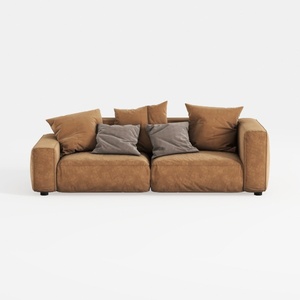

Minimalist Brown Suede Fabric Large Sofa With Throw Pillows 3D Model

Modern Velvet Knotted Ottoman Creative Decorative 3D Model
Homestyler is an exceptional online home design platform perfect for anyone looking to revamp their space. Its intuitive design tool, stunning 3D renderings, and a wealth of design projects, along with DIY video tutorials, empower you to turn your creative ideas into reality effortlessly.
Diseño ahora GRATIS






















![Design [1]](https://hs-designs.homestyler.com/production/design/images/87c3311f-b762-48e5-aa6c-2a61ff42aaa8/1731347951087/7837764.jpg?x-oss-process=image/resize,w_502,m_mfit/format,webp)