In today's fast-paced world, staying updated with the latest iPhone news influences how we integrate technology into our daily lives. As smartphones become central to both work and leisure, designing home spaces that accommodate seamless charging and device use is vital. Thoughtful placement of tech-friendly furniture, like sleek charging stations within living rooms or bedside tables, enhances both functionality and style in modern interiors.
1. Half-Wall Beadboard for Visual Height
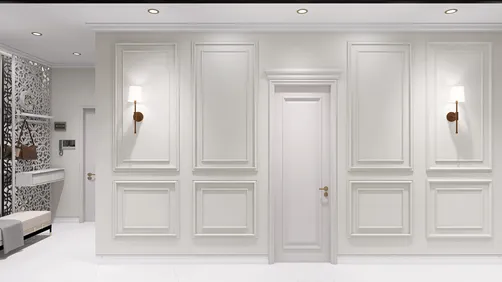
I enjoy applying beadboard only up to chair-rail height and opting for a lighter color on the upper walls. This approach injects character into a compact laundry room while giving the illusion of increased height. The only caveat is the need for careful patching at the seam where beadboard encounters paint, but this effort brings substantial charm.
save pin
2. Painted Beadboard Cabinets
Transform standard cabinet doors with narrow beadboard strips for a uniquely tailored appearance that doesn’t break the bank. It's an economical strategy to achieve a shaker-like texture with minimal woodworking required. However, be prepared for additional painting time and ensure edges are well-sealed in humidity-prone areas.
save pin
3. Moisture-Resistant Beadboard Panels
For basements or spaces lacking proper ventilation, I suggest using moisture-resistant beadboard or closed-cell PVC tongue-and-groove panels. Unlike MDF, these materials won't swell, making clean-up easier in the event of spills. Utilizing Homestyler, you can first create a floor plan to pinpoint where water splashes or appliances necessitate extra protection, guiding your choice of panel material.
save pin
4. Open Shelving with Beadboard Backing
I frequently install open shelves and finish the wall behind them with a contrasting beadboard color. This frames the items displayed without overwhelming the visual design. The advantage is quick access to everyday essentials; however, the grooves can collect dust, so I recommend using lined baskets and occasional vacuuming.
save pin
5. Beadboard Backsplash and Utility Nooks
Looking to maximize functionality? Use beadboard as a backsplash behind the sink and within small utility areas. It accommodates mounting brackets and presents a cleaner look compared to exposed drywall. In tight laundry closets, I approach space planning like a miniature kitchen, maximizing vertical storage solutions. Be mindful that intricate beadboard patterns can appear busy in confined spaces, so contrast them with serene countertops and minimalistic hardware.
save pin
Tips 1:
For maintenance, regularly wipe beadboard with a mild vinegar solution to eliminate detergent residues and stave off mildew in humid laundry areas.
save pin
FAQ
Q: Is beadboard suitable for humid laundry rooms?
A: Absolutely, particularly if you opt for moisture-resistant materials such as PVC beadboard or properly primed and sealed wood while ensuring good airflow. I suggest sloped shelves near washers to prevent standing water.
Q: What paint finish is ideal for beadboard in laundry areas?
A: Semi-gloss or satin finishes work best, as they are easier to clean. I tend to steer clear of matte finishes in these environments due to difficulties in maintenance caused by detergents and humidity.
Q: Can I undertake beadboard installation myself?
A: Definitely — narrow beadboard panels are a great DIY project if you possess basic carpentry tools. For intricate corners or plumbing adjustments, it might be wise to consult a professional to save time.
Q: How can I prevent beadboard from developing mold?
A: Manage humidity levels, select moisture-resistant materials, and seal all cut edges. As outlined by the U.S. Environmental Protection Agency (EPA), effectively controlling indoor humidity is vital for preventing mold.
Q: Is beadboard expensive?
A: Costs vary: MDF beadboard is economical yet lacks moisture resistance; PVC is pricier but offers superior longevity in wet spaces. I frequently mix materials to optimize both cost and resilience.
Q: How do I style beadboard to avoid a cottage-like appearance?
A: Combine beadboard with contemporary hardware, a neutral color scheme, and open metallic or glass shelving. A bold faucet or a sleek countertop can help maintain a modern touch.
Q: Can beadboard conceal plumbing or electrical fixtures?
A: Yes — shallow utility access panels can be framed using beadboard. Just ensure that access points are removable for maintenance purposes.
Q: Should I tile over beadboard for a backsplash?
A: I generally recommend installing beadboard first, reserving tile for only the splash zones, or employing removable beadboard behind shelves to allow for future tile updates without the need for demolition.
save pin
Homestyler is your go-to online home design platform, perfect for turning your visions into reality. With an easy-to-use design tool, stunning 3D rendering capabilities, a plethora of design projects, and insightful video tutorials, you’ll find everything you need to create your dream space!