I once worked with a client who had a unique vision for their kitchen: they wished to showcase a different rooster figurine on each shelf. We eventually settled on three, and I quickly realized that antiques should be carefully curated rather than collected like popular figurines. Small kitchens may seem restrictive, but they are truly my favorite space to experiment—limitations encourage ingenuity and transform details into expressive features. If you're beginning your design journey, take a look at this room planning case study I utilized to test proportions in a compact galley. It helped us avoid unexpected headaches and costly rework.
1. Reclaimed wood and natural aging
Incorporating a reclaimed wood butcher block or an open shelf made from weathered boards adds instant warmth and depth, telling a story of its own. The benefits include not just unique character, but sustainability as well. However, it does come with the caveat of maintenance—older woods require sealing and meticulous cleaning. Nevertheless, a bit of oil can keep these natural materials looking stunning for years, creating an invitation to explore the beauty of your space through tools like Homestyler.
save pin
2. Vintage hardware and a blend of metals
Replacing modern hardware with charming brass cup handles or bakelite knobs elevates the entire aesthetic. Mixing various finishes—brass, oxidized iron, and pewter—adds complexity without veering into a themed design. This approach is also budget-friendly; hardware represents a small expense with significant visual impact, although finding matching screws and backplates can occasionally be a challenge.
save pin
3. Open shelving showcasing curated finds
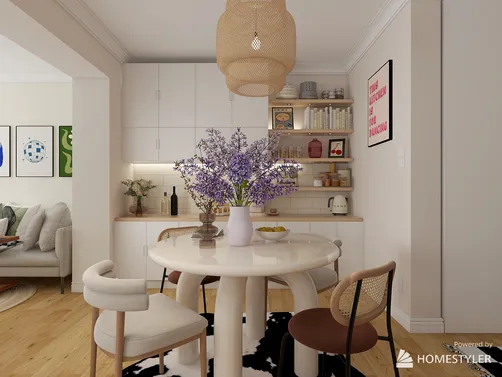
Open shelves provide the perfect opportunity to display antique plates, enamelware, and glass jars, but they demand a keen eye for styling. I often create sketches for shelving runs to ensure an even weight distribution and an attractive display. When it comes to layout, these kitchen layout examples have guided me on placing shelves that maximize light. Pros: immediate personality and ease of access. Cons: dust accumulation and the pressure of keeping everything orderly.
save pin
4. Timeless lighting and vintage tiles
A vintage pendant or a reproduction schoolhouse lamp can lend a classic vibe without feeling outdated. Pair it with encaustic-look tiles or subway tiles with aged grout for an authentic touch. Lighting is crucial for setting the atmosphere; just be mindful of scale—oversized fixtures can overwhelm a small kitchen, while undersized ones may fade into insignificance.
save pin
5. Clever antique styling for compact kitchens
In smaller spaces, multifunctionality becomes essential. A vintage dresser can serve as a pantry, while a salvaged cart can become a movable island. It’s an area where I enjoy mixing times and styles, introducing a striking antique piece as a focal point. To visualize the final outcome in a realistic 3D format before finalizing your design, I frequently utilize 3D render examples, a technique that allows for better decision-making and helps prevent impulsive purchases that may not fit well within the space.
save pin
FAQ
Q1: How can I begin designing an antique-styled kitchen?
Start with a key piece—be it a table, stove, or sink—and build your design around its color and scale. Stick to restrained color schemes and layer different textures, including wood, metal, and matte ceramics.
Q2: Are antique pieces practical for modern kitchens?
Certainly! Many antique elements can still serve a functional purpose, but adjustments are often necessary, such as adding modern seals to wooden surfaces and updating wiring for vintage lighting to ensure safety.
Q3: Where can I find affordable authentic hardware?
Consider checking salvage yards, flea markets, and online platforms specializing in vintage goods. Slight mismatches can even add charm, provided they are integrated into the overall design concept.
Q4: How should I care for reclaimed wood countertops?
Regular oiling and avoiding harsh cleaners will help preserve the wood's patina. Address stains promptly and sand lightly if deeper damages occur to keep the surface looking beautiful.
Q5: Is it feasible to combine modern appliances with vintage decor?
Definitely! I often conceal modern appliances behind custom panels or strategically position them to maintain the visual focus on vintage accents while ensuring modern functionality is retained.
Q6: Which colors complement antique kitchens best?
Warm neutrals, olive greens, muted blues, and off-whites create a timeless foundation that pairs beautifully with aged metals and woods, enhancing the overall aesthetic.
Q7: How do I ensure the lighting is authentic yet safe?
Use rewired vintage fixtures from a certified electrician or opt for reproductions that come with modern wiring. It's important to find a balance between ambient, task, and accent lighting to achieve both style and functionality.
Q8: Are there authoritative resources available for antique kitchen preservation?
Yes! The Victoria and Albert Museum (V&A) offers reliable guidance on the conservation of historic wooden furniture and finishes: https://www.vam.ac.uk. Their conservation notes provide an excellent starting point for best practices in preserving your antique kitchen.
save pin
Homestyler is an excellent online home design platform that empowers you to create stunning interiors effortlessly. With its intuitive design tool, impressive 3D renderings, and a wealth of DIY video tutorials, you can easily transform your vision into reality. Perfect for all skill levels!