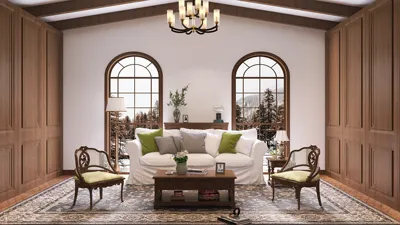


Iconic architectural styles often bring to mind the farmhouse floor plans of the 1900s, which serve as a timeless symbol of American rural life. These homes were thoughtfully designed to combine aesthetic beauty with practical functionality, mirroring the lifestyle demands of families from that era. Characteristically, these farmhouses boast expansive porches, lofty ceilings, and generous living spaces, all of which contribute to their warm and inviting appeal. As you explore the realm of 1900s farmhouse floor plans, you'll encounter a diverse array of designs, ranging from the elegant Victorian styles to the simpler Colonial models. Each layout narrates a unique story and reflects the social and economic context of its time. A prominent feature of these designs is the open-concept layouts that many of them embrace. Unlike the more segmented homes of earlier years, the typical 1900s farmhouse often included large communal spaces for family gatherings. This design approach nurtured a sense of community and connection, which was vital in rural environments. The kitchen, often regarded as the heart of the home, typically flowed seamlessly into the dining and living areas, creating a harmonious and welcoming atmosphere. Additionally, a signature trait of the 1900s farmhouse designs is their strong connection to the natural world. Most floor plans include generous windows that allow abundant natural light to permeate the interior, effectively merging indoor and outdoor living. Many homes also featured backdoors that opened directly onto gardens or fields, promoting a lifestyle that celebrated nature. The choice of materials like wood, stone, and brick not only enhanced the aesthetic appeal but also ensured durability—a key requirement for homes situated in rural landscapes. As you investigate various 1900s farmhouse floor plans, you will notice that they often incorporate specific rooms designated for various functions. A common feature is the mudroom, essential in rural settings for managing farm equipment and muddy boots. Furthermore, the presence of a pantry was crucial for storing preserved foods and supplies. The layout of these homes was carefully crafted to meet the needs of a working family, showcasing the practicality inherent in farmhouse living. In contemporary times, homeowners and design enthusiasts are increasingly captivated by the allure of 1900s farmhouse floor plans. Many individuals aspire to replicate this style in new builds or when renovating older homes. By including elements from these designs, such as reclaimed wooden beams, farmhouse-style sinks, and vintage lighting, modern residences can capture that rustic yet sophisticated ambiance characteristic of the farmhouse aesthetic. Moreover, advancements in technology and design software have made it easier than ever to create or modify your own 1900s farmhouse floor plan. Tools like Homestyler allow you to visualize your dream home in a 3D environment, experiment with various layouts, and explore an extensive library of vintage furniture models to authentically style your space. This platform fosters a vibrant community of design enthusiasts, offering endless inspiration and practical solutions to meet your design aspirations. Whether you’re a novice designer or a seasoned architect, you can harness Homestyler to breathe life into your vision while honoring the rich legacy of farmhouse architecture. In conclusion, the appeal of 1900s farmhouse floor plans endures as a favored choice for many, thanks to their timeless charm and functional designs. As you embark on your own design journey, reflect on how these classic elements can be integrated into contemporary living spaces. Embrace the essence of the past while crafting a unique home that caters to your current needs. The fusion of history and innovation can lead to a stunning, practical space that embodies the spirit of farmhouse living.
Tips 1:
When designing your own farmhouse, think about adding large porches for outdoor relaxation, and select materials that echo the rustic charm of early 20th-century homes.
FAQ
Welcome to Homestyler
Design Now for FREE
































