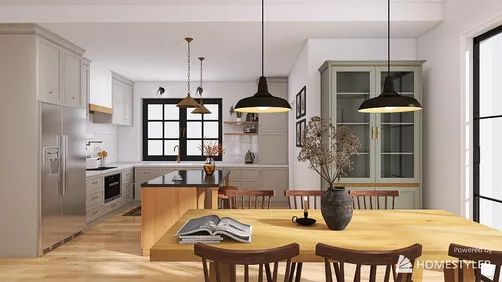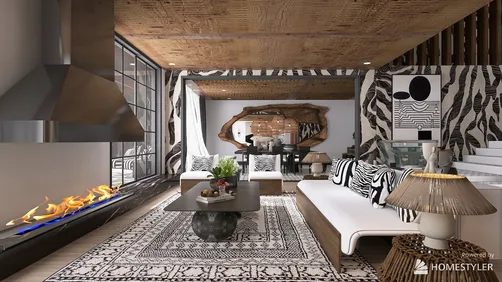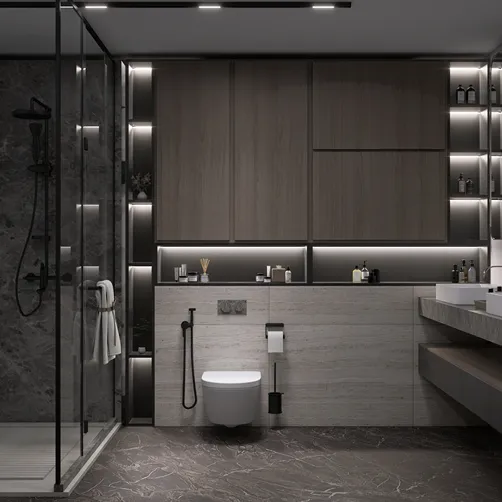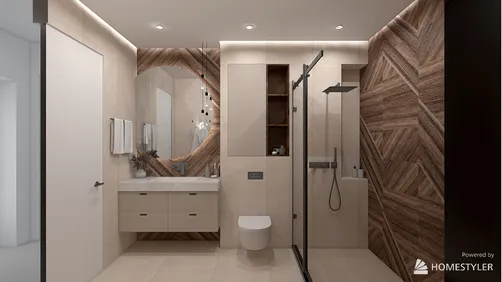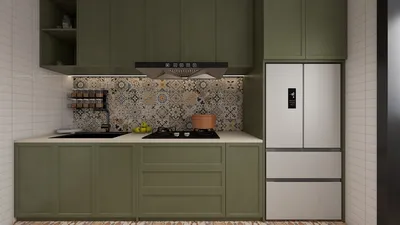
I design wall-mounted shelving solutions for clients who seek additional storage while maximizing floor space. A well-organized shelf arrangement can enhance the aesthetics of a room, guide foot traffic, and serve as an elegant display area. Achieving the right proportions, anchoring techniques, and height is crucial to ensure that the installation not only appears intentional but also lasts for years to come. Utilizing tools like Homestyler can aid in visualizing these designs.
Two key factors steer my planning process. First, the height of seats relative to eye level is essential when selecting book titles. The WELL v2 guidelines emphasize reducing strain and promoting healthy postures; storing frequently accessed items between shoulder and hip height aligns well with ergonomic standards and minimizes awkward bending (WELL v2 Spatial Layout). Additionally, strategic lighting can minimize eye fatigue: according to the Illuminating Engineering Society, areas designated for reading and tasks should receive between 300–500 lux, with higher levels recommended for detailed activities (IES lighting level recommendations). These parameters inform my decisions on shelf heights and lighting before I start assembling.
Plan the Wall, Not Just the Shelves
I begin by measuring the total width of the wall, the height of the ceiling, locations of electrical outlets, and the spacing of the studs (typically 16 inches apart in North America). Understanding these constraints helps determine bracket placements and the spacing of vertical supports. If considering varied shelf designs, such as combining long spans with a niche for a turntable, utilizing a quick interior layout planner like Homestyler can effectively visualize balance and ensure adequate clearance for traffic. This lightweight tool aids in assessing sightlines and the visual weight of different shelf depths.
Get the Height and Reach Zones Right
In most residential settings, I position the first usable shelf approximately 32–36 inches from the floor, ensuring easy access without having to bend excessively. The main browsing zone typically falls between 40–60 inches high, catering to the comfortable reach of most adults and aligning with ergonomic neutral zones outlined in human factors research (Ergonomics Society). For households with children, a designated lower shelf at about 20–28 inches will be incorporated, while upper shelves are reserved for rarely used items.
Depth, Spans, and Load—Design for Physics
Standard paperbacks fit well on shelves that are 6–8 inches deep, while most hardcovers require shelves that are 10–11 inches in depth. Only opt for 12 inches if you are accommodating decorative items or vinyl records. For sag prevention, using hardwood or quality plywood with a thickness of 3/4 inch can allow spans of 28–32 inches between brackets for typical book loads; MDF at the same thickness performs better when supported at 24–28 inches. For extended runs, it is wise to include vertical supports or use thicker materials. Avoid completely floating shelves longer than 24–30 inches unless reinforced with internal steel, as books can be surprisingly heavy over time.
Anchoring: Read the Wall, Not the Box
Every bookshelf design starts with locating the studs using a stud finder. I anchor critical standards or brackets into the studs using appropriate wood screws; in areas where studs cannot be reached, I recommend using heavy-duty toggle anchors rated for the estimated combined load (shelf plus books) with an excess safety margin. For masonry walls, sleeve anchors or Tapcon screws work effectively. If the wall's stability is uncertain (old plaster or skim-coated drywall), I will use a continuous cleat to distribute weight across multiple anchors. It’s essential not to rely solely on drywall anchors for carrying book loads.
Composing the Elevation: Rhythm and Negative Space
I approach a bookshelf elevation as if designing a facade. Varying the heights of 2–3 shelves creates visual rhythm: a 10–11 inch section for hardcovers, an 8–9 inch section for paperbacks, and a 14–16 inch section for decorative items or art. Purposefully leaving open spans creates negative space, helping to reduce visual clutter. Positioning a key vertical element along the room’s main axis (like a window or center of a sofa) aids in maintaining a serene aesthetic.
Lighting That Respects Books and Eyes
Books require even, glare-free lighting. I aim for approximately 300–500 lux on their spines, layering ambient lighting with discreet strip LEDs integrated into the shelves or overhead spotlights angled at 30–45 degrees. A color temperature of 3000–3500K delivers a warm, inviting tone. Shielding the LEDs from direct view is crucial, as glossy covers can cause reflections. Additionally, including a dimmable task lamp near reading spaces allows for enhancing light levels to about 500 lux as needed without illuminating the entire wall (referencing IES recommendations).
Color and Material Choices that Age Well
The color of the shelving unit can significantly influence a room's ambiance. Subtle mid-tone finishes like warm greige, muted olive, and deep blue allow the book spines to stand out without overwhelming the senses; research from Verywell Mind shows that such colors foster a calming effect and minimize perceived stress (color psychology). For materials, I prefer furniture-grade plywood with hardwood trimming or solid maple/oak for longevity. If utilizing MDF, it’s important to seal all surfaces—especially around fasteners—to mitigate moisture issues. Low-VOC finishes contribute to a healthier indoor atmosphere and prevent unpleasant odors that can transfer to books.
Acoustic and Behavioral Considerations
Books have a natural ability to absorb sound; a tall, filled bookshelf can significantly dampen echo in small rooms. I avoid placing materials that can create noise, such as crinkly decor or rattling glass doors, at head height in study areas—small sounds can easily distract. If the bookshelf backs onto a bedroom, I consider floating a thin acoustic underlayment between the cleats and the wall to reduce structure-borne vibrations from loading or dusting the shelves.
Safety: Living with the Shelf Day to Day
Store heavier books on lower shelves; lighter paperbacks can go higher. For households with children or pets, it’s advisable to incorporate anti-tip straps for freestanding elements and soft-close mechanisms for any cabinet doors. A clearance of at least 2 inches from adjacent doors is necessary to prevent handle collisions. In narrow hallways, maintaining a shelf depth of 8–9 inches with a minimum of 36 inches of clear passage ensures comfortable movement, aligning with residential standards for navigation.
Finishing Details that Elevate the Build
Shelf edge profiles are important. A 2 mm eased edge is more resistant to chipping and is kinder to the hands than a sharp edge. I often position the top shelf slightly backward by 1–2 inches to create a visually lighter crown. If installing electrical components for integrated lighting, a shallow chase along the back of the shelves facilitates neat cable management. Labeling bracket heights and drilling using a story pole before starting installation ensures precision over estimation.
Installation Sequence I Trust
- Mark stud locations and outline the final shelf arrangement with painter's tape.
- Begin installation by securing a level cleat or brackets anchored into the studs.
- Pre-fit 2–3 shelves, add a few books for weight, and check for sagging.
- Finalize all fasteners, then organize wire management and lighting setups.
- Complete the project with touch-up paint and style the shelves into thirds: one-third of books arranged vertically, another third stacked horizontally for variety, and the final third left empty for a balanced look.
Small Space Strategies
In compact areas, I recommend utilizing corners: wrapping two shorter runs with a shared vertical support while keeping depths between 8–9 inches. Consider adding a high transom shelf positioned at 78–84 inches for items that are infrequently accessed, ensuring that a small step stool is nearby. If a door swings open near the shelving, ensure that the heaviest items are positioned away from the swing arc and utilize a layout simulation tool for better traffic management.
Maintenance and Longevity
I recommend annual re-leveling, as wood may adjust under prolonged weight. Rotate or flip shelves if deflection is noticed. A consistent humidity level of 40–55% is ideal to protect both books and wood integrity. For cleaning, dust with a soft brush attachment; avoid wet wipes, which can raise the grain and dull finishes. Should a bracket loosen, use larger diameter screws or relocate to fresh wood—continuously tightening into the same hole can lead to stripping.
FAQ
Most collections are accommodated well on shelves that are 8 to 10 inches deep—8 inches for paperbacks and 10–11 inches for hardcovers. Only go deeper if integrating larger art books or decorative items.
Position the first shelf at approximately 32–36 inches above the floor to reduce the need for bending, and maintain primary browsing heights between 40–60 inches to align with ergonomic principles outlined in WELL’s spatial guidelines.
Yes, as long as they are reinforced with internal steel and anchored into studs, I typically limit individual floating spans to about 24–30 inches with heavier loads. Traditional brackets or standards offer more flexibility for weighty collections.
Aim for providing 300–500 lux on the book spines. Use LEDs in the 3000–3500K range with diffusers to maintain a glare-free experience. Ceiling spotlights can be cross-aimed at 30–45 degrees, or integrate dimmable strips for better control.
Wood screws directly anchoring into studs are optimal. Where studs are absent, employing metal toggle anchors rated for the anticipated load with a 2-fold safety margin is recommended. Steer clear of relying solely on plastic anchors for book loads.
Solid hardwood and high-quality plywood surpass MDF in performance at similar thicknesses. When using MDF, shorter spans (24–28 inches) are advisable and all edges should be sealed to minimize moisture effects.
Incorporate varied shelf heights, group books with intentional spacing, and maintain one or two open bays as negative space. A serene color selection will help books stand out clearly against the backdrop.
Ensure at least a clear passage of 36 inches. Maintain shelf depths of 8–9 inches and avoid protruding hardware at head or shoulder levels.
Open shelves are aesthetically lighter and simplify browsing. Glass doors can protect against dust but may create glare under lights; if included, opt for soft-close hinges and low-reflective glass.
In corners, integrate shelves using a shared vertical support or create a mitered corner shelf. Ensure that the inner corner is slightly deeper (by about an inch) for added stability, and avoid placing heavy items right in the corner to minimize racking.
Colors like muted blues and greens foster calmness and enhance focus; employing a mid-tone, low-gloss paint allows spines to be visible without creating glare, aligning with studies on color and mood.
Yes—allocate a work surface bay that is 28–30 inches high, ensuring a knee clearance of at least 24 inches deep, and discreetly route electrical connections. Illuminate the desktop area to about 500 lux with a task lamp and support shelf loads directly above verticals.
Discover the ease of home design with Homestyler! This user-friendly platform offers an intuitive online design tool, stunning 3D renderings, and a wealth of inspiring design projects and video tutorials. Whether you're a beginner or a DIY enthusiast, turn your vision into reality effortlessly!