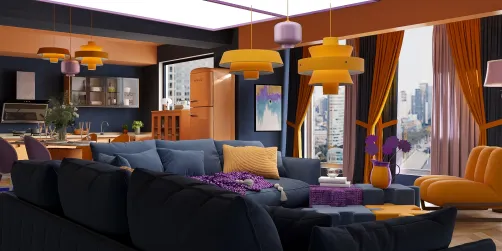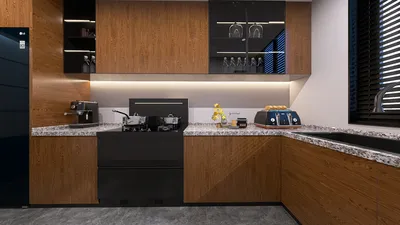
As a designer who is keenly aware of the latest interior design trends, I’ve noticed a notable resurgence of nostalgic aesthetics harmonizing with contemporary functionality. Small kitchens, in particular, provide a rich canvas for vintage vibes — indeed, compact spaces can inspire grand ideas, making vintage kitchen concepts truly stand out. In my design processes, I frequently begin with a mood board accompanied by a straightforward plan, and tools like Homestyler have allowed me to visualize kitchen layouts effectively prior to demolition.
In this article, I will present five actionable design inspirations that blend my practical experience with insights from industry professionals. Each suggestion includes my perspective, a candid discussion of its advantages and disadvantages, along with quick tips or budget considerations to help you determine what best fits your needs and lifestyle.
1. Painted Shabby Chic Cabinets
My Perspective
I find painted cabinetry to be rich in narrative potential. In the past, I revitalized an old row-house kitchen by stripping, priming, and coating the original oak cabinets in a soft mint hue — this transformation infused new life into the space while honoring its history.
Pros
Using painted cabinets is an economical way to enhance character; leveraging vintage restoration techniques such as layered distressing can yield a genuine patina without needing replacements. For renters or those with limited kitchen space, a repaint is less intrusive and maintains the original footprint while achieving a delightful vintage appearance.
Cons
Painted surfaces require continuous upkeep: scuffs can become visible and humidity may lead to chipping if the prep isn’t thorough. For those who prefer low maintenance, opting for full refacing or laminate with a vintage-inspired design might be a more suitable, albeit pricier, alternative.
Tips / Cost Insights
Utilize high-quality primer and semi-gloss enamel for long-lasting durability. Budget-wise: a DIY weekend dedicated to painting and distressing can keep your expenses under $300 for a small kitchen; hiring professionals for refinishing typically incurs higher costs but results in more enduring outcomes.
save pin
2. Checkerboard or Patterned Tile Backsplashes
My Perspective
I have a soft spot for black-and-white checkerboard or playful encaustic tiles positioned behind an apron sink. In a recent project within a petite cottage, 4-inch checkerboard tiles were installed, instantly giving the room a larger and more intentional feel due to the cohesive flow of the floor-to-wall design.
Pros
Patterned tile backsplashes contribute a layer of visual interest and are resilient against splashes; selecting classic designs like checkerboard or hexagons can enhance period charm while unifying countertops and appliances. Employing vintage tile patterns for backsplashes can also significantly attract buyers who appreciate authentic details.
Cons
Complex patterns might appear overwhelming in very limited spaces; grout lines demand maintenance and certain patterned tiles may carry a higher price tag. If you adore the look yet worry about excessive patterns, consider implementing a narrow band of pattern instead of full coverage.
Tips / Resources
For authoritative material choices, explore conservation guidelines from entities such as Historic England or design trend reports (e.g., the Houzz Kitchen Trends) to find durable tile options and installation advice. On a tighter budget, peel-and-stick tiles can provide a temporary vintage aesthetic but may lack longevity.
save pin
3. Apron-front Sink, Brass Fixtures, and Vintage Hardware
My Perspective
Selecting the sink, faucet, and hardware is akin to choosing the perfect jewelry for your kitchen. I convinced a hesitant customer to opt for a white apron-front sink alongside aged brass fixtures; the outcome was timeless, and the deep bowl of the sink alleviated challenges during food preparation in the compact layout.
Pros
An apron-front sink serves as a striking focal point while simplifying the cleaning of large pots — a substantial practical bonus in small kitchens. When paired with period-appropriate brass or bronze fixtures, it creates a unified and curated aesthetic, making it one of the most economical vintage kitchen ideas to enhance character.
Cons
Metal finishes can exhibit water spots and fingerprints; the aging process of brass varies based on cleaning methods and usage. If ongoing maintenance is not appealing, consider selecting finishes that camouflage wear more effectively, such as brushed metal.
Tips / Cost Insights
If you're limited on cabinet space, consider a shallow farmhouse sink. Mid-range brass faucets can be found at a few hundred dollars; solid brass options may be more expensive but offer longevity and the possibility for repolishing if tastes evolve.
save pin
4. L-shaped Vintage Layout
My Perspective
I frequently suggest an L-shaped layout for compact kitchens as it enhances circulation and provides an extended area for countertops. During a renovation of a narrow flat, adjusting to an L configuration opened up space for a well-defined work triangle and enabled the addition of a vintage hutch for open storage in a corner.
Pros
The L-shaped design optimizes counter space, balancing preparation zones with display areas — ideal for showcasing vintage china or open shelving. This layout also supports efficient workflows in tight places and complements period-style appliances or freestanding ranges.
Cons
If poorly planned, an L layout can create dead corner cabinets or awkward fridge placements. Thoughtful preparation is crucial to prevent cramped work triangles and inefficiencies.
Tips / Resources
Implement pull-out lazy susans or angled drawers to enhance corner storage utility. If you wish to test various L configurations before finalizing, digital planners like Homestyler can assist in visualizing options and avoiding layout missteps.
save pin
5. Warm Wood, Open Shelving, and Vintage Treasures
My Perspective
My favorite transformations in small kitchens successfully blend the warmth of wood with purposeful openness. In a petite sun-drenched kitchen, I incorporated slim oak shelves alongside thrifted Mason jars and enamelware; the outcome evoked a lived-in, authentic feel rather than a staged appearance.
Pros
Incorporating wood elements introduces warmth that softens cooler vintage finishes such as subway tiles or enamel stoves, establishing a cozy, layered environment. Open shelving provides easy access and allows the display of carefully curated vintage finds, which is advantageous for adding personality without cluttering countertops.
Cons
Open shelves necessitate more frequent arrangement and dusting; while liberating for tidy enthusiasts, they can become a chore for those who prefer concealing items. Moreover, sturdy wood shelving must be securely anchored in older structures.
Tips / Cost Insights
Balance closed storage below with open shelving above for an ideal compromise. Reclaimed wood exudes charm but can be more costly; simply stained solid-surface shelves can achieve a similar aesthetic at a lower cost. For layout inspiration, case studies utilizing AI design tools can yield impressively accurate visualizations of how wood tones will appear in your space’s lighting.
save pin
Summary
Embracing vintage kitchen ideas reminds us that small kitchens do not present limitations but instead present opportunities for smart and innovative design. By combining painted cabinetry, patterned tiles, timeless sinks and fixtures, an efficient L-shaped layout, and warm wood or open shelving, you can create a layered, timeless kitchen that adheres to budget constraints. Resources like Homestyler and the National Kitchen & Bath Association offer valuable insights into evolving trends and ergonomic considerations if you're looking to delve deeper.
Which of these five inspirations are you most inclined to implement in your kitchen — the painted cabinets, the patterned tiles, the farmhouse sink, the L-shaped design, or the warm wood shelving?
save pin
FAQ
Q1: What are the best vintage kitchen ideas for tiny spaces?
A1: Focus on multifunctional options: painted cabinetry, an apron-front sink, and an L-shaped design are impactful yet space-efficient choices. Make use of verticality with open shelving to keep counters clutter-free.
Q2: How can I ensure the longevity of vintage cabinetry for daily use?
A2: Preparation is key — degloss, apply a shellac-based primer if needed, and finish with a tough enamel coat. Proper preparation and quality paint extend durability and minimize chipping.
Q3: Are patterned backsplashes appropriate for rental apartments?
A3: Absolutely, but peel-and-stick or removable tiles offer short-term renter-friendly options; for long-term rentals, discuss with landlords about adding more permanent tile installations that can potentially increase value.
Q4: Which metal finish provides a vintage look while remaining low maintenance?
A4: Brushed brass or aged bronze typically conceal fingerprints and allow for graceful aging, delivering that vintage aesthetic without the constant polishing requirement.
Q5: What budget should I anticipate for refreshing a small vintage-style kitchen?
A5: A modest refresh (including paint, hardware, and open shelves) can stay below $2,000; tile and sink upgrades can elevate mid-range projects to between $3,000 and $8,000, depending on material choices. Full-scale restorations or custom cabinetry will be significantly higher.
Q6: Can contemporary appliances be integrated into a vintage kitchen design?
A6: Definitely — opt for paneled appliances or retro-style modern ranges to harmonize performance with vintage charm. Numerous manufacturers now provide appliances that present classic silhouettes alongside modern efficiency.
Q7: Where can I access reliable information on kitchen ergonomics and trends?
A7: Organizations like the National Kitchen & Bath Association share detailed guidelines on ergonomics and layout design; trend reports from platforms like Houzz present practical insights into what resonates with homeowners (see NKBA and Houzz for further guidance).
Q8: Should I undertake a DIY approach or hire professionals for a vintage kitchen transformation?
A8: For primarily cosmetic changes — such as paint, open shelves, and hardware swaps — DIY can be fulfilling and cost-efficient. However, for plumbing, electrical work, or structural alterations (like converting to an L-shaped layout), consulting a professional is advisable to ensure code compliance and durable results.
save pin
Discover Homestyler, the ultimate online home design platform. With its user-friendly design tool, stunning 3D renderings, and a wealth of DIY video tutorials, you can effortlessly transform your space and unleash your creativity. Perfect for both beginners and seasoned designers alike!




























![[♥️♥️]](https://hs-designs.homestyler.com/production/design/images/2025-12-21/00ce621d-f39a-433f-b8bf-2f6258068b7a/1766281859081/9484069.jpg?x-oss-process=image/resize,w_502,m_mfit/format,webp)