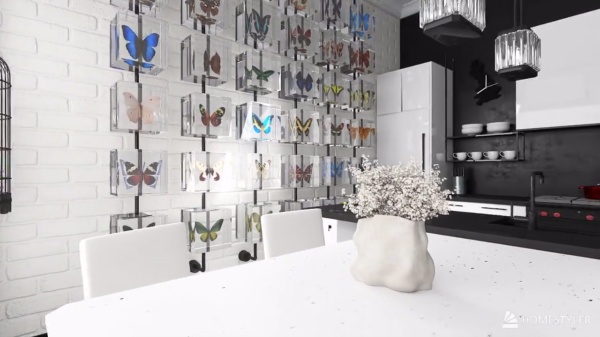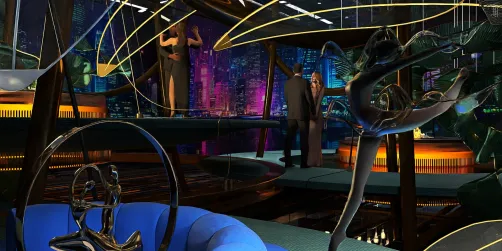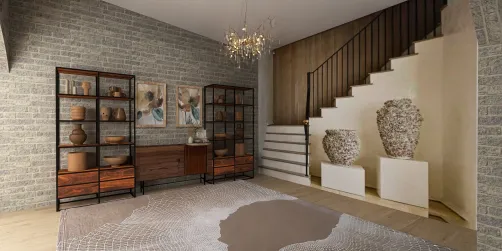
Pre-rendering in 3D applications involves the process of creating images or animations ahead of their real-time display, primarily to improve visual quality and alleviate computational demands during playback. This approach finds extensive use across various domains including gaming, animation, and architectural visualization.
What Exactly is Pre-Rendering?
Pre-rendering is a critical method in 3D graphic design where images or image sequences are produced beforehand, rather than relying on real-time rendering engines during operation. This strategy allows for the execution of more intricate scenes and superior visuals, as rendering can occur without the constraints of real-time performance demands.
Advantages of Pre-Rendering
The use of pre-rendering offers multiple advantages:
Common Uses of Pre-Rendering
Pre-rendering is frequently applied in:
Challenges Associated with Pre-Rendering
Although pre-rendering has its benefits, it also presents some challenges:
In Summary
Gaining a comprehensive understanding of pre-rendering is vital for anyone working with 3D applications, as it significantly contributes to achieving high-quality visuals while effectively managing performance. By blending pre-rendering techniques with real-time rendering capabilities, creators can offer spectacular experiences across various media, especially when leveraging tools like Homestyler.
Frequently Asked Questions
Q: How does pre-rendering differ from real-time rendering? A: Pre-rendering produces images in advance for enhanced quality, whereas real-time rendering generates images dynamically, ideal for interactive scenarios.
Q: Is pre-rendering applicable in video games? A: Absolutely, many games implement pre-rendered graphics for backdrops and cinematic sequences to boost visual richness.
Q: Which software is widely used for pre-rendering? A: Leading software options include Blender, Maya, and 3ds Max, among others.
Welcome to the Leading Home Design Software