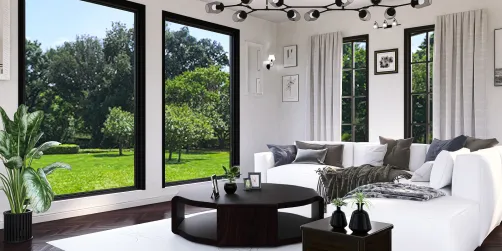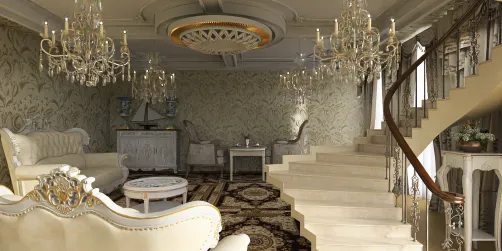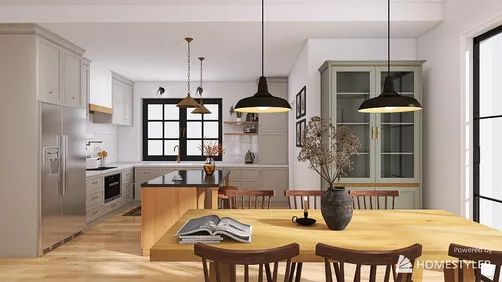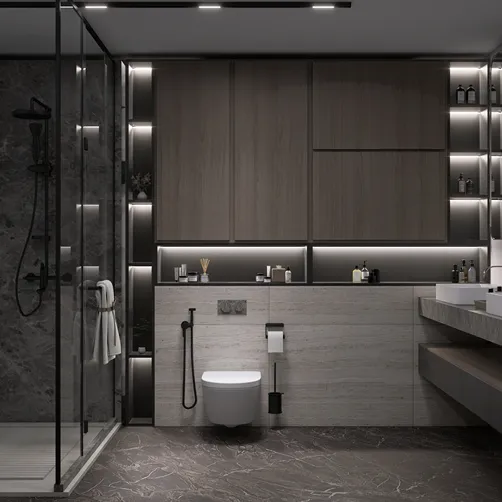
When starting a new interior design endeavor, you might come across the terms 'layout plan' and 'floor plan.' Although they may initially appear similar, these two concepts have unique functions in architecture and design. Let's explore the distinctions between these plans to gain a clearer insight into their contributions to creating both functional and aesthetically pleasing environments.
A floor plan is a comprehensive illustration displaying the arrangement of rooms and spaces within a structure. It usually includes measurements, the placement of furniture, and the general flow of the area. Floor plans are vital for visualizing space functionality and are commonly utilized during the design phase to facilitate communication between clients and contractors. They offer a bird's-eye view of the layout, assisting both designers and homeowners in understanding spatial relationships among different zones.
In contrast, a layout plan is more concentrated on the configuration and organization of furniture and additional elements within a specific space. While it may encompass some architectural features, the main objective of a layout plan is to maximize the space's practical use and visual appeal. Such plans are particularly beneficial for interior designers, as they permit experimentation with various arrangements to identify the most efficient and attractive setup.
A fundamental difference between floor plans and layout plans lies in their scale and detail. Floor plans tend to be more extensive, encompassing entire buildings or several rooms, while layout plans focus on specific sections, providing an in-depth look at furniture and decor arrangements. Furthermore, floor plans typically incorporate structural elements such as walls, windows, and doors, whereas layout plans emphasize practical considerations like seating arrangements, circulation paths, and focal points.
Regarding their use, floor plans are vital during the initial design stages as they help define the overall structure and flow of a space. They are frequently employed alongside architectural blueprints to ensure the feasibility of design while adhering to building codes. Layout plans, however, come into play later in the design process, focusing on refining furniture and decor placement to cultivate a cohesive and functional environment.
In conclusion, while both floor plans and layout plans play crucial roles in the design process, they serve distinct purposes and varying levels of detail. By understanding these distinctions, you can make more informed choices when planning your interior spaces. Whether you are revamping your living room or organizing a new office setup, recognizing when to utilize each type of plan will aid in achieving your envisioned results.
Tips for Creating Effective Plans:
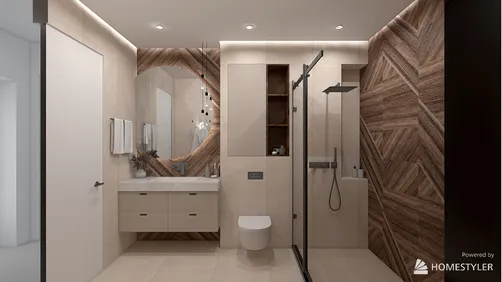
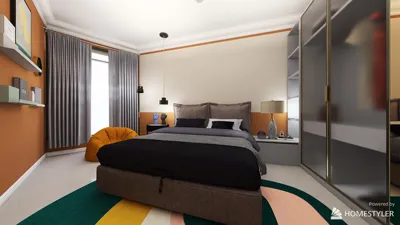
1. Begin with a detailed floor plan to define the overall structure of your space. 2. Use layout plans to explore various furniture arrangements for optimal usability. 3. Take flow and accessibility into account when designing your layout plan. 4. Leverage design software like Homestyler to visualize your plans in 3D for an immersive experience.
FAQ
Q: Can I use a floor plan for furniture arrangement? A: While a floor plan can provide a general idea, a layout plan is far more effective for detailed furniture placements.
Q: How detailed should my layout plan be? A: Your layout plan should incorporate measurements and placements for all significant furniture pieces, along with any decorative items.
Q: Are there software tools available to assist with these plans? A: Absolutely! Various design software tools, including Homestyler, can effectively help in creating both floor plans and layout plans.
welcome to Homestyler