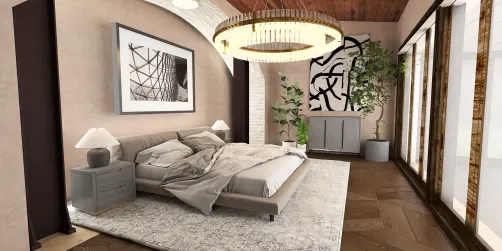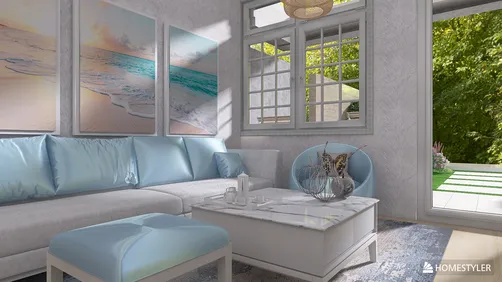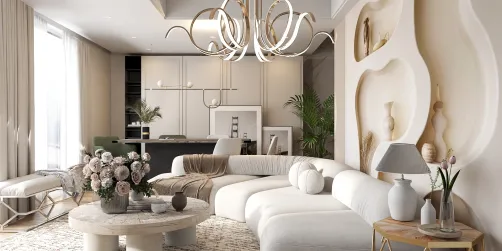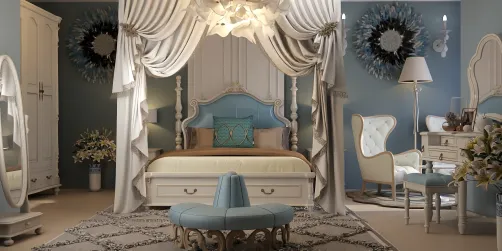
Drafting a 2D floor plan is crucial for optimizing compact areas, particularly when it involves integrating plants that elevate the aesthetic while adding a natural touch. Small spaces shouldn't lead to limitations; rather, they should spark ingenuity and fresh ideas in design. By learning how to seamlessly blend plants into your 2D floor plan, you can significantly enhance your living space.
The Significance of Plants in Compact Areas
Plants serve various functions within limited spaces. They not only enhance air quality but also inject vibrancy and energy into your home. Here are some key factors to consider when adding plants to your floor plan:
Selecting Suitable Plants for Your 2D Floor Design
When choosing plants for smaller spaces, it's vital to consider their growth patterns, lighting needs, and upkeep demands. Below are some highly recommended options:
Best Methods for Incorporating Plants into Your Decor
Here are some suggestions for successfully placing plants within your 2D floor plan:
Illustrative 2D Floor Plans Featuring Plants
Visualizing your area through a 2D floor plan can guide you in determining the optimal arrangement for your plants. Consider these two examples:
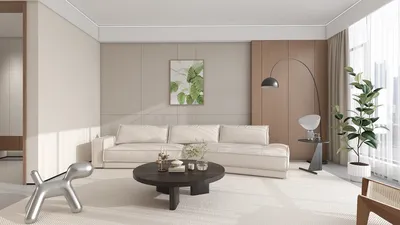
1. **Living Room Arrangement**: Place a tall snake plant in a corner, while small succulents can adorn coffee tables and shelves.
2. **Home Office Layout**: Add a hanging spider plant above your desk and a small potted plant on your desk for creativity.
Frequently Asked Questions
Q: What plants should I select for spaces with low light? A: Consider low-light adaptable plants such as snake plants or pothos, which flourish without direct sunlight.
Q: Is it acceptable to include artificial plants in my design? A: Absolutely! Artificial plants are an excellent option if you seek low-maintenance solutions.
welcome to the best 2D Floor Planner, Homestyler