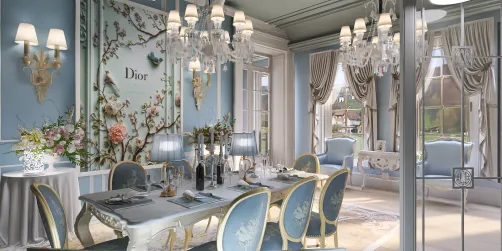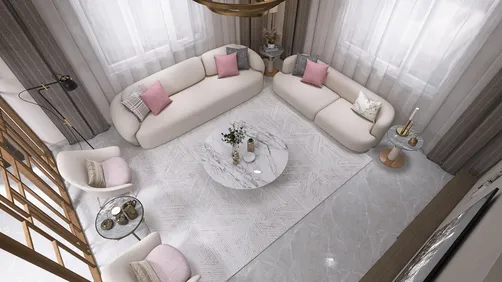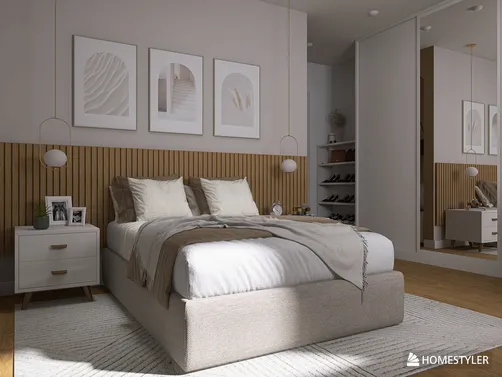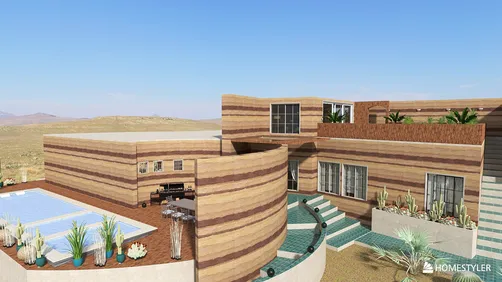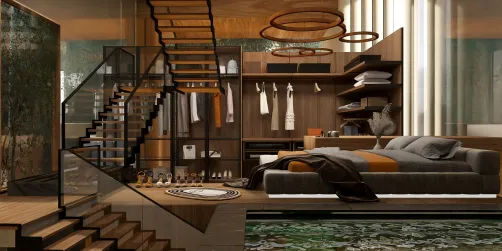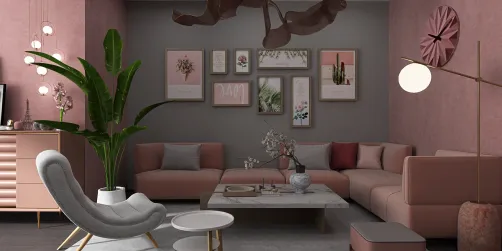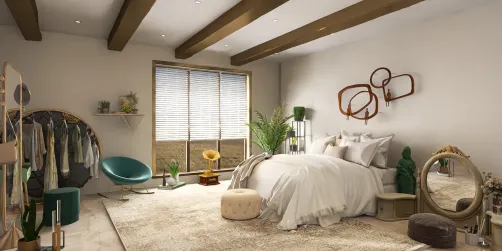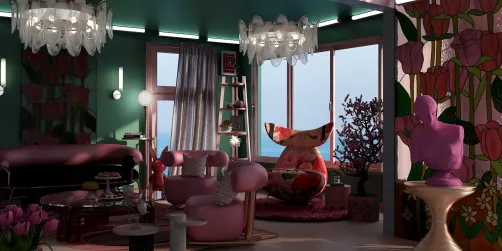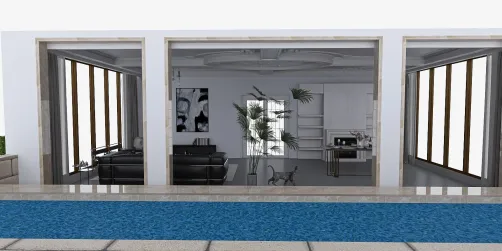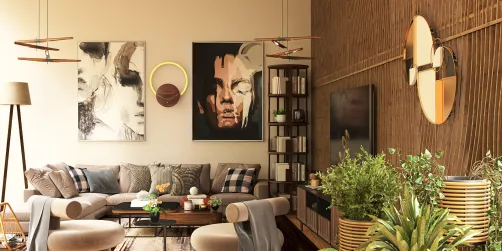
The design of museum interiors is vital for enriching the visitor experience, and using architectural renders significantly improves the presentation of these designs. By including versatile areas, maximizing natural light, and utilizing sustainable materials, museums can develop inviting environments that not only display art but also encourage participation and discovery through tools like Homestyler.
Recognizing the Significance of Museum Interiors
Museum interiors offer more than mere structural boundaries; they serve as the canvas where art and history unfold. A thoughtfully crafted interior can lead visitors through an enriching journey, deepening their comprehension and admiration of the displays. Architectural renders are essential in this process, allowing for a preview of these spaces prior to construction, aiding in fine-tuning the design for optimal impact.
Essential Features of Successful Museum Design
Several vital features contribute to a successful museum interior design:
Architectural Renders: Visionary Tools
Architectural renders are invaluable tools for architects and designers, enabling them to envision the harmony of various design components and providing stakeholders a glimpse into the potential of the space when utilizing platforms like Homestyler.
The advantages of architectural renders include:
Incorporating Technology into Museum Design
Contemporary museum designs frequently integrate technology to enrich visitor interactions. Features such as interactive displays, virtual reality experiences, and mobile applications can seamlessly blend into the overall design.
Innovative examples include:
Looking Ahead: The Evolution of Museum Interiors
As we anticipate future developments, museum interiors are bound to undergo further transformation. Architectural renders will be crucial in shaping these environments, enabling designers to develop spaces that inform and inspire. By prioritizing open designs, employing sustainable methods, and integrating technology, museums can enhance their offerings and attract a diversified audience.
Frequently Asked Questions
Q: What factors are pivotal when designing museum interiors? A: Important factors entail open layouts, the incorporation of natural light, and the application of eco-friendly materials.
Q: In what ways do architectural renders assist in museum design? A: They facilitate communication, offer realistic visualizations, and aid in marketing efforts.
Q: What role does technology play in contemporary museum designs? A: Technology enriches visitor engagement through interactive displays and augmented reality experiences.
Discover the leading home design software available today.