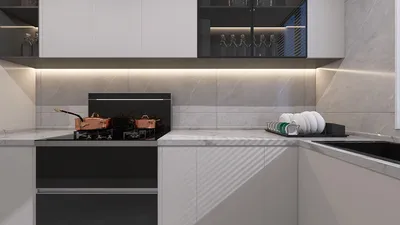


I frequently rely on wooden wallpapers to infuse a sense of warmth and dimension into spaces without the heaviness, expense, or permanence associated with true millwork. When strategically incorporated—alongside appropriate lighting, ergonomic seating arrangements, and harmonious color accents—wood-effect walls can transform a living room in just a few hours, benefiting from design tools like Homestyler to visualize changes.
Grounding the Choice with Data
Warm wood tones not only provide visual comfort but also affect our emotions. Research from Verywell Mind indicates that warm hues can incite feelings of coziness and vitality, echoing our experiences that amber tones create an inviting atmosphere. According to findings by Steelcase, material textures and visual warmth significantly affect emotional well-being and engagement, insights applicable to home environments where restorative comfort is essential. The Illuminating Engineering Society (IES) recommends layering ambient and task lighting to soften contrasts and glare, crucial for highlighting wooden textures that can cast deeper shadows.
What Wooden Wallpaper Does That Paint Often Can’t
Wood-grain wallpapers provide a subtle micro-texture that breaks the monotony of flat surfaces, softening light and visually diversifying the area. Naturalistic patterns are particularly effective in calming the eye, especially within open-plan settings where visual clutter accumulates. A satin or matte finish can absorb sufficient light to minimize glare. Modern non-woven materials allow for cleaner installation, tighter seams, and easier removal that is less damaging to your drywall compared to traditional vinyl options.
Picking the Right Grain, Tone, and Scale
My process begins with three key variables: grain scale, undertone, and sheen. Bold grains (like oak or walnut) are ideal for spacious areas or standout feature walls, while finer patterns complement multiple walls without overwhelming the space. Undertone is vital for setting the overall mood: warmer hues, such as honey and caramel, enhance north-facing rooms, whereas cooler shades such as ash help to temper sun-drenched spaces. Keep the sheen at matte or eggshell to enhance texture under layered lighting. A focused accent wall behind the couch or media unit often achieves an ideal balance of boldness and subtlety.
Light Matters: Color Temperature and Glare Control
Wood appears most appealing under lighting between 2700–3000K—the warm-white spectrum aligning closely with residential comfort standards outlined by the IES for living spaces. Aim for a layered lighting approach, incorporating dimmable ambient lighting (like ceiling fixtures), task lighting (such as bedside lamps), and focal accent lights (like those illuminating artwork or shelving). Utilize wide-beam lampshades and diffusers to minimize glare on the wallpaper's pattern. Installing a ceiling dimmer and configuring multiple lamp circuits allows for precise control over evening illumination without creating harsh bright spots. For areas with glossy finishes, reduce direct downlighting and choose wall washing methods for a softer light distribution.
Layout and Flow: Where to Place Wood Effects
Wooden wallpaper thrives in places where sightlines converge—such as behind the sofa, framing a fireplace, or along an elongated wall that facilitates the room's traffic flow. If you're exploring wall placements, employing a room layout tool like Homestyler will provide a quick perspective on balance, axis lines, and furniture spacing before committing to installation.
Color Psychology Pairings
For a calm ambiance, combine mid-tone wood with softened sage, clay, or cream fabrics. Color psychology insights from Verywell Mind support the idea that greens and neutrals can alleviate stress, balancing the richness of wood. In vibrant social areas, consider rust, indigo, or mustard as accent colors through cushions and throws. Maintain a neutral base on larger surfaces while allowing colors to shine in smaller, movable accessories to ensure longevity of the design.
Acoustic Comfort and Material Synergy
While wallpaper itself isn’t a complete acoustic solution, the texture of wood-effects can subtly diffuse sound, lessening high-frequency echoes in rooms with hard surfaces. Combine wooden wallpaper with high-pile rugs, lined curtains, and upholstered furniture. Bookshelves positioned against wallpapered walls also provide sound diffusion while introducing visual rhythm. For media-centric walls, strategically place sound-absorbing elements opposite audio-visual equipment to minimize sound reflection and echo.
Ergonomics and Human Factors
Visual appeal means little without considering comfortable distances and sightlines. Ensure there is 18-24 inches of clear passage behind coffee tables and maintain a space of 8-10 feet between seating groups in larger areas to avoid overwhelming views against patterned backgrounds. Art hung at eye level (approximately 57 inches from the floor) complements the textural quality of wood wallpaper. Additionally, align shelf hardware with the grain direction to create a cohesive appearance rather than one that appears disjointed.
Pattern Direction and Visual Rhythm
Vertical wood planks enhance the perception of height, making them ideal for rooms with lower ceilings, while horizontal patterns can widen narrow spaces. Designs like herringbone and chevron introduce movement; use them sparingly on accent walls to maintain harmony. Balance is crucial: a singular directional motif paired with neutral textiles preserves rhythm without overwhelming the senses.
Installation Tips I Rely On
• Prepare the wall with a wallpaper-specific primer to enhance adhesion and facilitate future removal.
• Use a laser line to ensure plumb alignment, as wood motifs reveal crooked seams immediately.
• Book the wallpaper as per manufacturer instructions to prevent stretching or seam gaps.
• Use a sharp blade and metal straightedge to trim baseboards for clean joints.
• When wrapping corners, split the sheet instead of stretching one continuous plank across an uneven corner—match the grain with a new sheet for cleaner cooperation.
Maintenance and Longevity
Choose finishes that are washable and durable if children or pets are present. Light dusting with a microfiber cloth is recommended; avoid harsh cleaners that could dull the wallpaper's texture. Rooms with abundant sunlight benefit from UV-filtering window films to minimize fading. If renovations are anticipated, selecting non-woven substrates simplifies future updates, making them easier to remove without damage.
Sustainability Considerations
Opt for FSC-certified wallpaper and inks that emit low VOCs. Non-PVC substrates are a more sustainable choice that helps minimize environmental concerns and odors. Pair these materials with energy-efficient warm LED lights (ranging from 2700–3000K) to decrease energy consumption while enhancing wood tones. Design choices that are modular, such as accent walls, facilitate style updates with reduced material waste.
Styling the Finished Space
Once the wallpaper is in place, harmonize the grain with small wooden accents—like trays, frame edges, and lamp bases—ensuring that you don’t replicate the exact tone throughout the room. It's healthy to embrace contrast: black metal, linen, and stone can temper warmth while maintaining sophistication. Incorporating plants introduces biophilic elements that work beautifully with wood; position them where light subtly grazes the wallpaper for added depth.
When to Choose Real Wood Instead
For a need for tactile dimension, edge detailing, or built-in storage solutions, real wood or engineered panels may be the preferable option. I typically begin with wallpaper to evaluate color and grain direction; if the space requires added dimensionality, transitioning to slatted panels behind the media unit might be the logical next step.
FAQ
Q1: Which lighting temperature enhances wood-effect wallpaper without causing yellowing?
A1: Aim for LEDs within the 2700–3000K range. This spectrum maintains amber warmth while keeping whites looking neutral, aligning with comfort standards shared by IES.
Q2: Can a dark walnut wallpaper make a small living room feel cramped?
A2: It might if applied to multiple walls. Instead, utilize it as a singular accent alongside lighter wall colors and ample ambient lighting to create an open feel.
Q3: What grain scale is best for compact spaces?
A3: Opt for fine to medium grains with a matte finish. Large, high-contrast patterns can weigh a space down, while subtler designs promote an airy feeling.
Q4: How can I ensure seams remain hidden on wood-patterned wallpaper?
A4: Achieve plumb alignment using a laser, book the wallpaper correctly, and choose a matte finish that reduces highlight glare over seams. Patterns with minor texture can help camouflage joints.
Q5: Does wooden wallpaper impact acoustics?
A5: Modestly, yes—it scatters high frequencies. For significant improvements, combine with rugs, curtains, and upholstered furniture; bookshelves on accented walls can enhance efficacy as well.
Q6: What colors work best with mid-tone oak wallpaper?
A6: Colors like sage, putty, stone gray, and cream create a calming effect, while rust or indigo can add vibrancy. Warm neutrals maintain a cohesive, inviting palette.
Q7: Is peel-and-stick wallpaper a viable choice?
A7: Yes, it's ideal for renters or quick updates. Select high-quality non-woven varieties to prevent stretching and edge lifting; properly prep walls for better adhesion.
Q8: How do I choose between vertical and horizontal plank designs?
A8: Vertical patterns enhance perceived height, while horizontal styles can make narrow areas feel more spacious. Choose based on the visual needs of your room.
Q9: What is the best wall to accent in an open-plan living space?
A9: The longest uninterrupted wall or the backdrop for the primary seating area, where both sightlines converge and movement flow remains unimpeded, are ideal options.
Q10: Will warm wood clash with cool gray flooring?
A10: Not if you balance undertones effectively. Choose wood wallpapers with hints of taupe or neutral browns and connect with textiles in cream and soft charcoal.
Q11: How can I minimize visual clutter when using patterned wallpaper?
A11: Opt for simple forms of large furniture, reserve busy patterns for smaller textiles, and allow the wood texture to be the prominent design feature in the room.
Q12: Are there eco-friendly wallpaper options available?
A12: Indeed—look for papers certified by the FSC, utilize low-VOC inks, and prefer non-PVC substrates. Pair with energy-efficient warm LEDs to mitigate environmental impact.
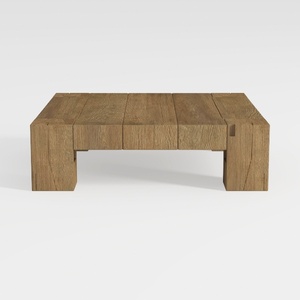
Rustic Solid Oak Wood Coffee Table Minimalist Living Room 3D Model
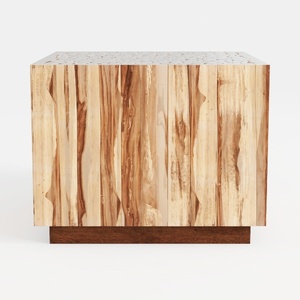

Minimalist Solid Wood Accent Cabinet with Textured Top 3D Model
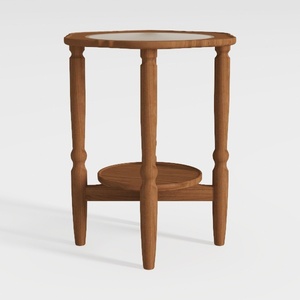
HOOBRO Small Round Side Table with Charging
Homestyler is your go-to online home design platform, perfect for turning your ideas into reality. With an easy-to-use design tool, stunning 3D renderings, and an array of DIY video tutorials, you can effortlessly create your dream space—whether you're a novice or a seasoned designer!
Design Now for FREE
































