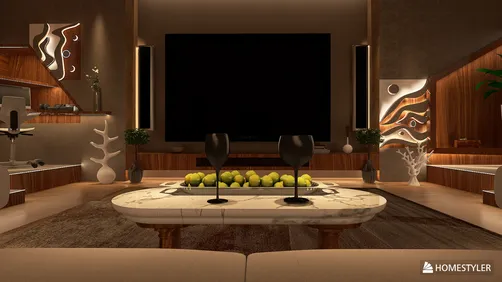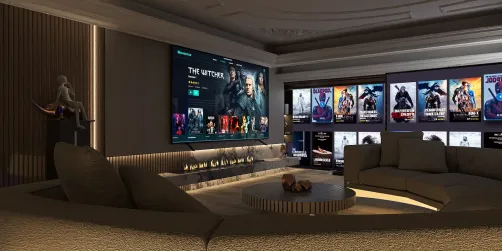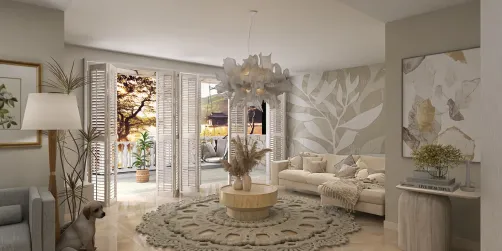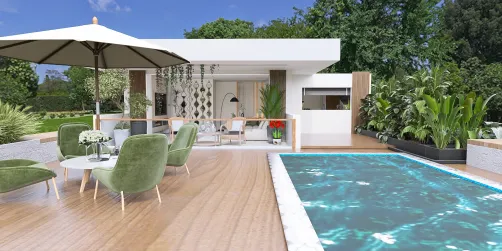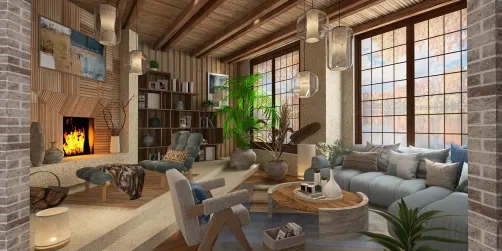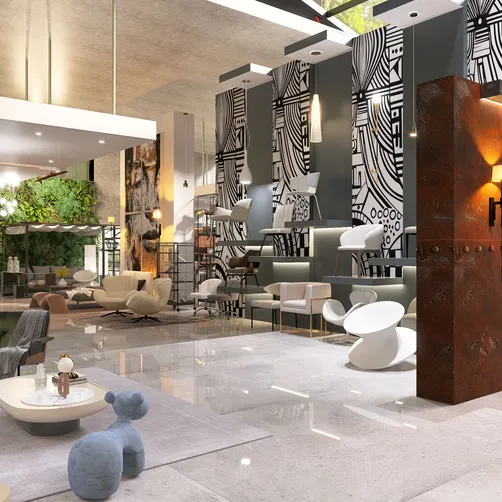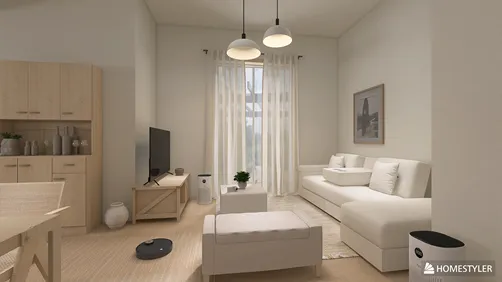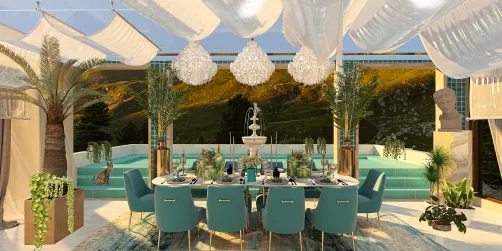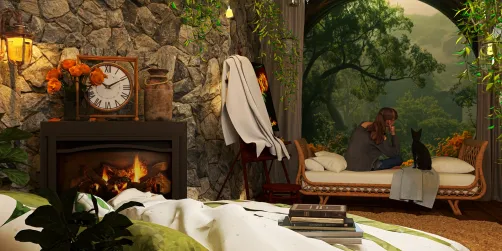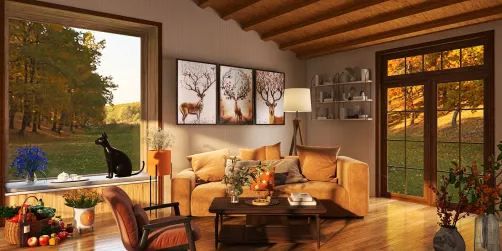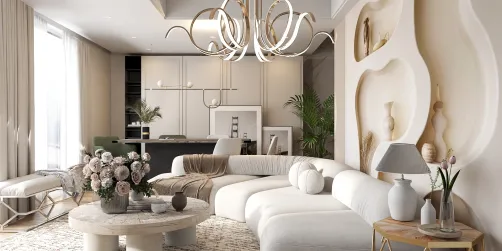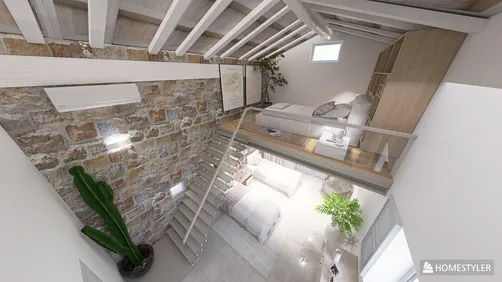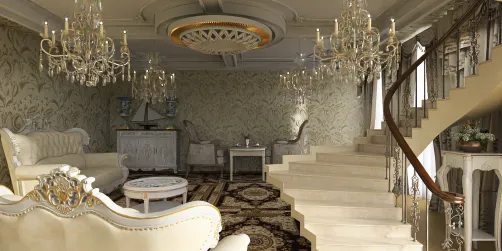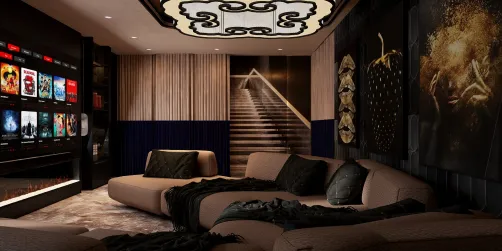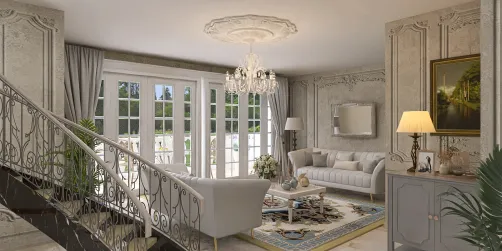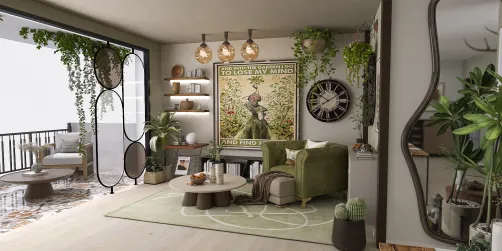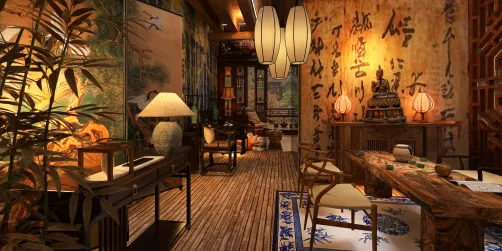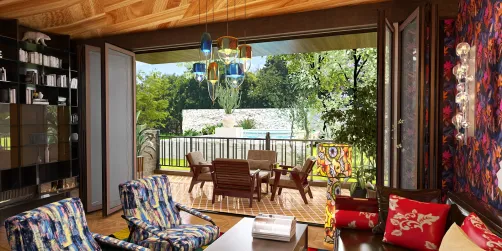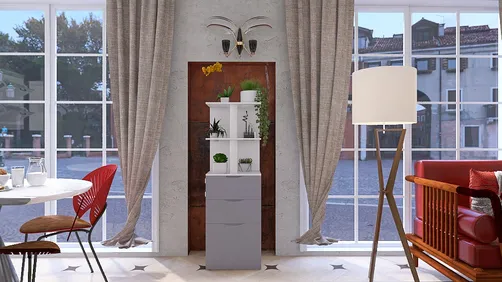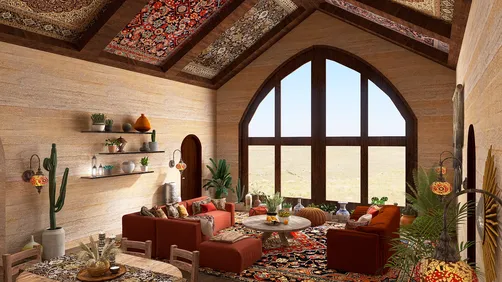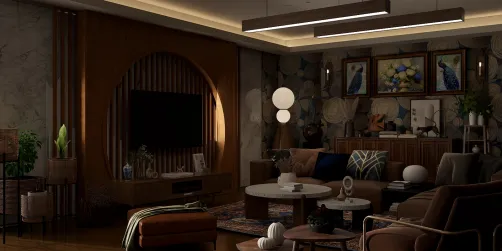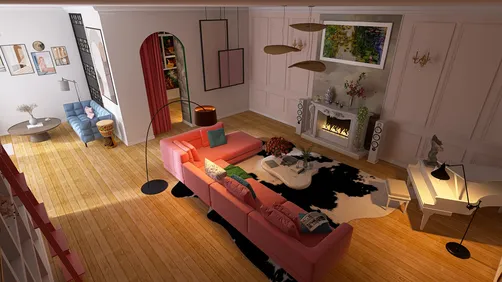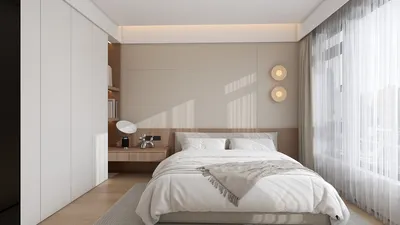
A thoughtfully selected indoor fountain doesn't overshadow your living room; instead, it harmonizes and enhances it. The soothing sound it creates softens sharp lines, influences behavior, and alters the ambient light and air quality immediately. When water integrates into the room's rhythm, furniture arrangements feel intentional, ensuring a steady energy flow instead of a dispersed one. Utilizing tools like Homestyler can help visualize such changes effectively.
Beyond just visual appeal, there are significant health advantages to installing a fountain. The WELL v2 standard highlights the importance of acoustic comfort, recommending ambient sound levels of 35–40 dBA in living spaces to minimize stress. Tables and wall fountains, when properly chosen, typically operate within a 30–40 dBA range from 1-2 meters, meeting this criterion. Color psychology also plays a role: blues and greens are linked to tranquility and steadiness, and integrating such hues with the reflectance of water amplifies its calming effects without overwhelming the space. This integration makes the fountain feel essential for well-being rather than just a decorative element.
Lighting is another crucial aspect to consider. According to the IES, living room illumination should ideally be around 100–300 lux based on the activities conducted there; however, the reflective surfaces of a fountain can create intense bright spots if accent lighting is too strong. I suggest implementing layered lighting strategies—keeping ambient lighting at approximately 150–200 lux, placing task lights near seating areas, and using low-glare accent lighting directed away from the fountain rather than straight at it. This preserves visual satisfaction while allowing the fountain's subtle glow to shine.
Selecting the Appropriate Fountain Type
The style of your fountain should align with your living room’s spatial dynamics. A vertical wall fountain can serve as a subtle architectural feature; it's especially fitting for narrow spaces that require added visual height without consuming much floor area. For intimate spots, tabletop fountains are perfect, as their proximity heightens the auditory experience. Larger, floor-standing basins can act as central features for conversation zones—ideally placed where movement naturally pauses. The material chosen matters, too: natural stone offers a warm, low-frequency sound, glass reflects light more brightly, while matte ceramics help reduce splash and glare.
Scale, Proportion, and Visual Harmony
Scale plays a vital role in achieving visual harmony. A good guideline is for a feature fountain to occupy about 7–12% of the wall's length behind it, fitting within a 1:1.6 width to height ratio for optimal balance. In open-concept areas, I consider the height of the fountain against the back of a sofa; placing the top of the fountain at 1.2 to 1.6 times higher than the seating back creates a cohesive composition rather than a top-heavy look. Additionally, the ambient space surrounding the fountain is crucial; maintain at least 450–600 mm of clearance around floor models to facilitate smooth movement and minimize clutter.
Sound Comfort: Fine-Tuning the Audio Landscape
The ideal sound emanating from water is akin to soft consonants rather than hissing. I adjust the water flow rates intentionally to keep the ambient sound levels around 30–35 dBA at seating distance, allowing for conversations to remain clear. Using deeper catch basins can diminish splash noises, while textured spillways help create gentle streams of water, resulting in softened sounds. If your room features a lot of hard surfaces—like wood floors or glass—consider adding a wool area rug or a soft ottoman to help absorb sound. Additionally, for spacious areas, a wall-mounted design with a thin sheet of water tends to be quieter than a tiered waterfall.
Illuminating the Fountain Without Creating Glare
A layered approach to lighting preserves tranquility. For nighttime comfort, utilize 2700–3000K warm white bulbs, placing accent lights at 30–45 degrees from the water surface to avoid glare. Dim-to-warm lighting options provide a variable atmosphere, and avoid positioning overhead lights directly above the fountain; instead, gently illuminate adjacent features—such as stone or textured walls—to enhance the shadow play around the fountain. This method aligns with IES recommendations, reducing glare while ensuring visual comfort at standard living room lux levels.
Understanding Color Psychology and Material Choices
Water interacts differently with various colors. Cool neutrals like soft grays and misty blues promote clarity and relaxation, while earthy shades such as beige and brown add warmth and grounding effects. Given that Verywell Mind connects blue with tranquility and green with equilibrium, I incorporate these tones subtly throughout the space—in throws or artwork—so that the fountain's reflections enhance rather than dominate the overall scheme. Additionally, materials should harmonize in visual intensity; for instance, combining honed limestone with brushed metals and rich wood creates an ageless, low-sheen finish that complements the water’s movement gracefully.
Strategic Placement and Movement Flow
Position fountains where the eye naturally gravitates. In long, narrow rooms, a suitable spot is usually opposite the main seating area or nearby a window for maximum observational delight throughout the day. Avoid placing them under direct HVAC vents to minimize unwanted splash and mineral buildup. If your layout isn't fixed, make use of a room layout planner, like Homestyler, to visualize lines of sight, sonic reach, and traffic patterns before finalizing your decision. This planning minimizes trial and error and protects other design choices integrated into the space.
Fountain Care: Water Quality and Maintenance
Sustaining serenity hinges on consistent water quality. Installing closed-loop pumps with adjustable flow is ideal, and choosing easy-access filters facilitates maintenance. Utilizing distilled or filtered water helps prevent mineral deposits; if using hard tap water, consider a regular cleaning schedule including monthly light cleans and deeper quarterly descaling. Biofriendly additives can limit algae growth without unwanted odors. Additionally, selecting sealed finishes on porous stones helps prevent staining and ease upkeep; designs that include removable components can keep maintenance under ten minutes each week.
Safety Considerations for Children and Pets
Homes with children or pets require extra attention to safety. Ensure floor fountains have a low center of gravity and anti-tip features; a water depth of less than 75 mm can mitigate risks. Maintain hidden cable management, and use UL-listed pumps that are suitable for continuous operation. Position fountains outside main pathways and introduce tactile indicators such as rugs or furniture alongside to guide movement safely around them. These human-centric considerations enhance the fountain's role from being a mere feature to a seamless and safe part of everyday living.
Eco-Friendliness and Energy Consumption
Small tabletop fountains typically consume 2–10 watts, while medium-sized floor models can draw 20–60 watts; integrating timers or smart plugs helps restrict usage when not in operation. Utilize recycled stone composites or sustainably sourced wood to minimize material impact. For those striving for net-zero energy usage, opt for low-VOC finishes and resilient components that can be repaired rather than replaced. The fountain should be a long-lasting addition to your home, not just a fleeting decor trend.
Creating a Harmonious Surrounding
Curate the surrounding area of your fountain thoughtfully. Consider adding soft-textured plants that soften edges and increase humidity levels. Keep decorative items to a minimum—one sculptural piece suffices—to ensure the water feature stays the central focus against a serene backdrop. In compact areas, weave the fountain into a shelving unit; in expansive rooms, anchor it with a console table and artwork to form a tiered focal point.
Research and Trusted Insights
Informed design relies on established guidelines and research findings. The WELL v2 standards for acoustic and lighting ensure the right parameters are set for healthy environments, while Verywell Mind's insights into color psychology aid in making informed palette choices that promote tranquility instead of stimulation. I frequently refer to these resources whenever creating a living room that prioritizes calmness while sustaining character.
Frequently Asked Questions
Q1. What is the ideal sound level for a living room fountain?
A1. Aim for approximately 30–35 dBA at seating distance. This aligns with the comfortable sound levels recommended by WELL v2 for restorative environments while maintaining the ability to converse without issue.
Q2. What lighting temperature complements water features best?
A2. For evening settings, opt for 2700–3000K warm white lights, and around 3000–3500K for daytime. Keep ambient lighting at about 150–200 lux and refrain from placing direct overhead lights above the fountain to minimize glare.
Q3. Where is the best location for a floor fountain in a rectangular living room?
A3. Ideally, situate it opposite the primary seating axis or near a window that can highlight reflection when the sun shines. Ensure there is 450–600 mm of space around it, away from HVAC vents.
Q4. Which materials produce the most soothing water sounds?
A4. Materials like honed stone and textured ceramics create softer, lower-frequency sounds, while metallic tiers can create a sharper noise. Employing deeper basins and lower flow rates can help to soften those sounds.
Q5. How can I avert mineral buildup and algae growth in the fountain?
A5. Utilizing distilled or filtered water, performing light monthly maintenance along with quarterly deeper cleans, and incorporating bio-safe additives while using sealed surfaces can significantly diminish buildup and staining.
Q6. Are indoor fountains energy efficient?
A6. Tabletop setups typically require 2–10 watts of power, while medium floor fountains need 20–60 watts. Consider using timers or smart plugs to limit usage and conserve energy.
Q7. What color schemes pair well with water features for a serene vibe?
A7. Colors like cool neutrals, soft blues, and gentle greens lend to feelings of tranquility, following color psychology findings that link blue with calmness and green with balance.
Q8. Can a fountain aid in achieving acoustic comfort in open spaces?
A8. Certainly, it can act as a gentle sound-masking device. Just maintain the sound levels low to preserve conversation clarity, and combine it with softer finishes—like fabrics and rugs—for a balanced acoustic environment.
Q9. How can I ensure safety with children and pets around?
A9. Opt for features with anti-tip bases, shallow basins under 75 mm, keep cables hidden, and position the fountain out of main pathways to lower the chance of accidents.
Q10. What is the best way to style around a fountain?
A10. Limit decorative items to a few pieces, introduce soft plants, and place a console table or bookshelf nearby to frame the fountain artfully. Maintain open space visually so that the water takes center stage.
Q11. Is professional installation necessary?
A11. Many tabletop and wall fountains can be installed by you. However, for larger floor models or those requiring plumbing or heavy stone work, it's advisable to consult an expert to ensure safety relating to structural and electrical elements.
Q12. How can I effectively test placement prior to purchasing?
A12. Use tape to outline the fountain's footprint, and consider employing a room layout planner like Homestyler to assess visibility and movement flow. Additionally, listen to audio samples of similar fountains to gauge how they might sound in your space.
Homestyler is your go-to online home design platform! With a user-friendly design tool, stunning 3D renderings, a plethora of inspiring design projects, and engaging DIY video tutorials, you can effortlessly create your dream space. Start your design journey today!