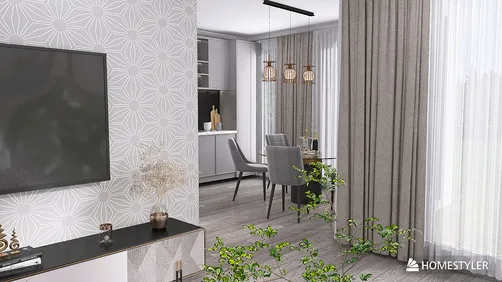
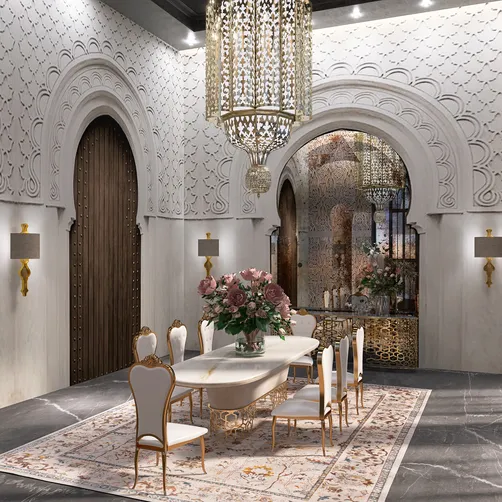
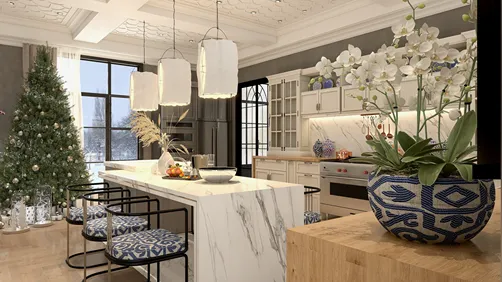
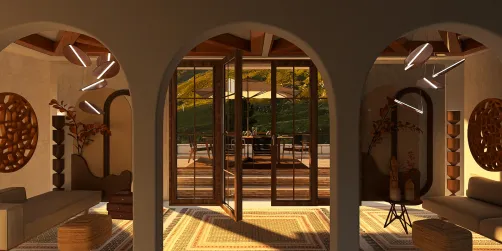
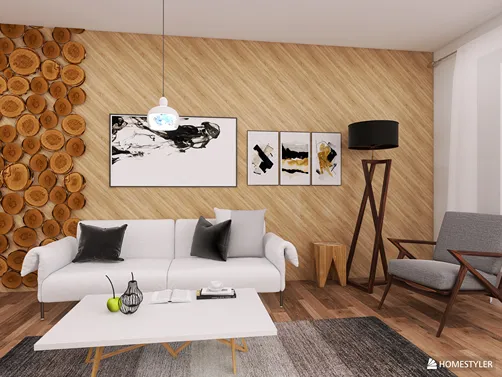
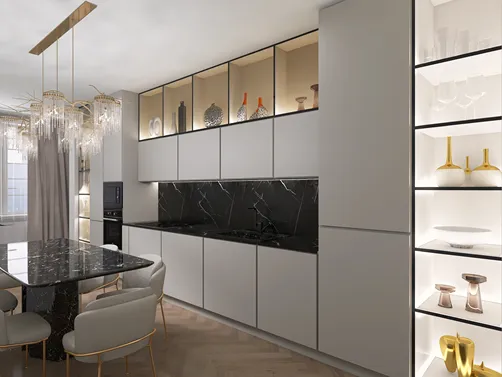
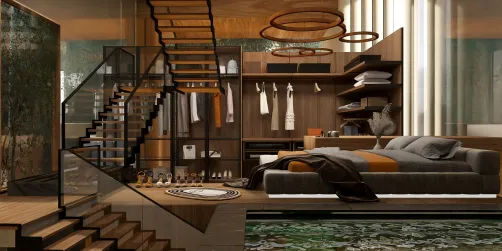
When selecting tiles for bedroom walls, my primary objectives are to create a calming visual experience and enhance the overall performance of the space including acoustics, ease of maintenance, and light quality. Tiles have evolved from being mere bathroom fixtures; in a bedroom, they offer tactile warmth, visual interest, and durable surfaces that are simple to clean, especially behind the bed or on feature walls. Incorporating tools like Homestyler can assist in visualizing these designs effectively.
Performance is crucial. The WELL v2 framework advocates for keeping bedroom lighting between 2700–3000K in the evening to foster circadian comfort, emphasizing glare reduction and balanced brightness (source: WELL v2 Light concept). According to the Illuminating Engineering Society (IES), aiming for layered ambient and task lighting can help achieve approximately 150–300 lux for general bedroom activities, thereby minimizing high contrast ratios that often lead to eye strain (source: IES lighting practice). I refer to these standards to adjust finishes, colors, and textures of tiles to ensure they interact positively with light rather than creating harsh reflections.
Our behavior shapes the design brief. Research by Steelcase reveals that a visually calm environment aids cognitive recovery, allowing individuals to relax and sleep better. In home resting areas, decreasing visual clutter and managing pattern intensity can lessen stress responses (source: Steelcase research). While choosing tile colors, I maintain a lower saturation level—especially around the headboard—to promote relaxation without sacrificing character, facilitated by tools such as Homestyler to visualize the effect.
Soft-Toned Ceramic: A Serene Backdrop
Opting for matte porcelain or ceramic tiles in soft greige, warm white, or clay pink establishes a tranquil, low-sheen surface that minimizes glare from bedside lamps. I prefer elongated rectangular tiles (3"×12"), arranged either in a staggered or vertical stack, which can subtly enhance the room’s proportions. Light, warm tiles synergize beautifully with 2700K lighting and dimmable drivers, supporting relaxation in the evening in line with WELL v2 recommendations. For compact spaces, use slim, color-matched grout to reduce visual distractions.
Textured Tiles: Elevating Sound Dampening
Improved sound dampening is a boon for bedrooms. While tiles don’t absorb sound like fabrics, employing textured or relief tiles can disrupt sound reflections and lessen echo at conversational levels. Choose ribbed ceramics, fluted porcelain, or carved cement tiles behind the bed for micro-shadows that introduce depth without harshness; ensuring the relief is subtle (2–6 mm) helps avoid dust build-up and simplifies maintenance.
Warm Stone Looks: Travertine, Tumbled Limestone, and Porcelain Stoneware
Natural stone evokes a sense of timelessness; however, I often recommend stone-look porcelain for its durability and lower maintenance needs. Soft honed hues of travertine—like beige and honey—instill a Mediterranean vibe. Limiting gloss helps minimize glare; a honed or velvet finish feels comforting under 2700K lighting. Balance the cooler tones of stone with warm accents like upholstered headboards, wool throws, and plush rugs to maintain a sense of inviting warmth.
Pattern with Care: Chevron, Herringbone, and Basket Weave
While patterns inject life into a space, moderation is key in the bedroom. I typically use a singular accent wall—often behind the headboard—with a restrained herringbone pattern in a tone-on-tone scheme. The geometry establishes a focal point while the colors remain subdued. Keeping grout in a complementary shade is essential as high-contrast grout can disrupt the visual calm that the latest behavioral studies advocate.
Large-Format Panels for Minimalist Bedrooms
If you’re inclined towards minimalist aesthetics with easy maintenance, large-format porcelain tiles (24"×48" or larger) generate clean lines with fewer seams, ideal for contemporary bedrooms alongside accent lighting and hidden storage. Complement them with linear wall washers to distribute light evenly across the surfaces, ensuring brightness ratios remain gentle according to IES guidelines.
Earthy Terracotta and Clay-Based Tiles
To invoke warmth and a personal touch, terracotta or clay tiles provide a down-to-earth atmosphere. These materials should be sealed with a low-sheen finish to avoid excessive reflection and protect against stains. Their subtle tonal variations convey an organic feel, perfect for relaxed evenings and tactile comfort. Pair with cool linens to keep the overall color scheme light and balanced.
Soft Color Psychology: Blues, Greens, and Neutrals
The colors chosen can influence mood profoundly. Verywell Mind notes that blue is often tied to relaxation, while gentle greens radiate restoration and balance. In bedrooms, it’s best to desaturate these colors, opting for matte or satin tile finishes to prevent glare. A dusty sage or powder blue tile behind the bed can ground the space and maintain tranquility without overstimulation.
Glazed vs. Matte: Balancing Light and Maintenance
Glazed tiles boast stain resistance; however, high-gloss surfaces can create hotspots under lighting. In contrast, matte or satin glazes are gentler on the eyes and lend a softer feel in bedrooms. Matte tiles maintain even lighting where reading lamps are utilized, while satin finishes can bounce natural daylight softly in areas near windows. Always test finishes with your lighting to ensure compatibility—swatches under 2700K–3000K lamps offer clarity.
Subtle Relief: Fluted, Grooved, and Linen-Textured Tiles
Featuring fluted or linen-textured tiles can add a layer of tactile intrigue. However, I apply them judiciously to avoid dust accumulation and cleaning challenges. Vertical grooves can elongate ceilings visually, whereas horizontal lines can make narrower rooms appear wider. Low relief patterns and consistent coloring help maintain a clean aesthetic.
Natural Combinations: Wood, Fabric, and Soft Metals
Tiles harmonize best with softer elements. Combining ceramic or stone tiles with oak or walnut nightstands, upholstered headboards, and brushed brass or bronze fixtures creates a balanced sensory experience, allowing for restful evenings in the room.
Layout Planning: The Headboard Wall as Centerpiece
Consider tiling the wall behind the headboard or a partial panel that frames bedside lighting and artwork. In smaller rooms, keep tile coverage within the width of the bed to maintain a focused visual area. Tools such as Homestyler can simulate bed positioning, lighting angles, and tile arrangements to preview potential outcomes before committing to purchases.
Designing with Visualization Tools
Lighting the Tiled Wall
Implement layered lighting. Utilize dimmable lamps (2700K–3000K), low-glare wall washers, and soft ambient lighting aimed at achieving around 150–300 lux for comfortable tasks. Position light to wash across surfaces rather than directing it straight at glossy finishes to avoid bright patches. Edge-lit panels or diffused sconces will enhance tile textures while preventing stark light spikes.
Maintenance and Sustainability Considerations
Opt for low-VOC adhesives and grouts, and ensure proper slip resistance if the tiles extend to the floor. For walls, focus on ease of cleaning and proper sealing of porous materials. Porcelain is rugged and requires minimal upkeep; if you choose terracotta or cement, ensure thorough sealing and devise a gentle cleaning routine for textured tiles.
Preferred Compositions for Design
Large-format matte porcelain in warming white tones; linear wall lighting; walnut nightstands; soft linen bedding.
Honed travertine-look porcelain; terracotta accents; bronze hardware; dimmable 2700K lamps for soft illumination.
Tone-on-tone herringbone ceramic featured behind the bed; harmonized grout; soft tufted headboard for comfort.
Frequently Asked Questions
Why choose matte or satin finishes? They help mitigate glare from bedside lamps and provide a visually softer appearance.
What is the ideal lighting level? Aim for about 150–300 lux for basic tasks, layered with adjustable bedside lighting, in accordance with common IES recommendations for home comfort.
Do tiles absorb sound like fabric? While they don't, low-relief designs can disrupt reflections and diminish flutter echoes, contributing to a quieter atmosphere.
Is porcelain suitable for bedrooms? Yes—porcelain is lighter, easier to care for, and uniform in appearance. Natural stone, while beautiful, requires careful maintenance and can reflect more light when polished.
What colors are calming for a bedroom? Soft blues, muted greens, and warm neutrals are ideal. Keep color saturation low; studies suggest blue promotes relaxation, while greens foster balance.
What is the best layout for tiled walls? Limit designs to the area behind the headboard or a central panel matching bed width to maintain focus and reduce visual clutter. Using a layout planner can help visualize proportions effectively.
Can I mix patterns with tiles? Yes, but keep it minimal—limit to one feature pattern alongside a subtle field tile, ensuring grout hues remain consistent to avoid chaotic visuals.
What type of tile is easiest to maintain? Porcelain with a matte or satin finish is ideal due to its stain resistance and straightforward cleaning methods. Ensure porous tiles like terracotta or cement receive proper sealing.
What lighting should I use for tiled walls? Employ diffused lights and wall washers, positioning fixtures to wash across surfaces rather than directly shining on them for a softened look.
Are tiles colder than fabric? Yes, they tend to feel cooler. Balance these surfaces with textiles—like upholstered headboards, rugs, and throws—to create a cozy atmosphere in the room.


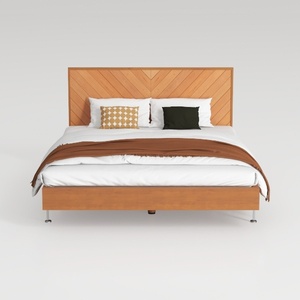
Homestyler is your go-to online home design platform, perfect for transforming your creative vision into reality. With an easy-to-use design tool, stunning 3D renderings, inspiring design projects, and helpful video tutorials, you can effortlessly create your dream space—regardless of your skill level!