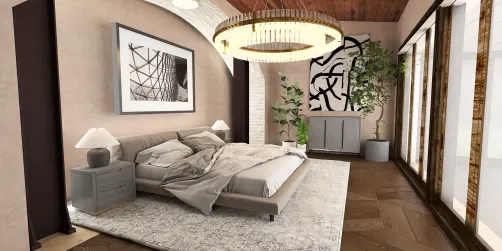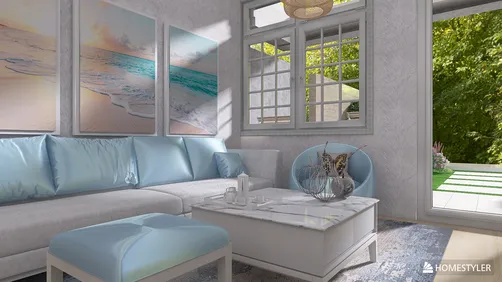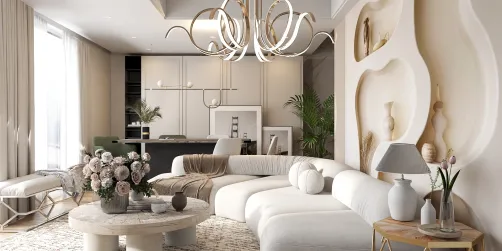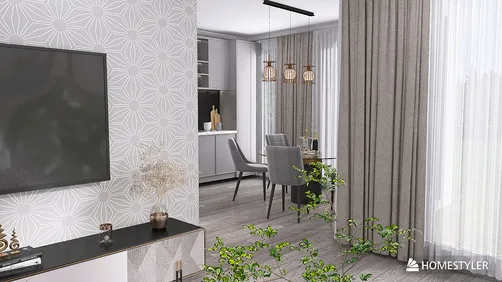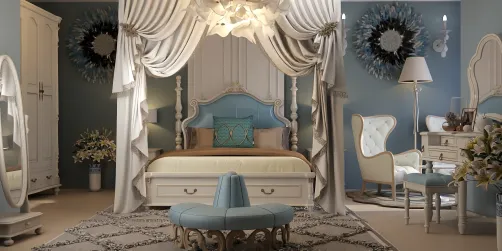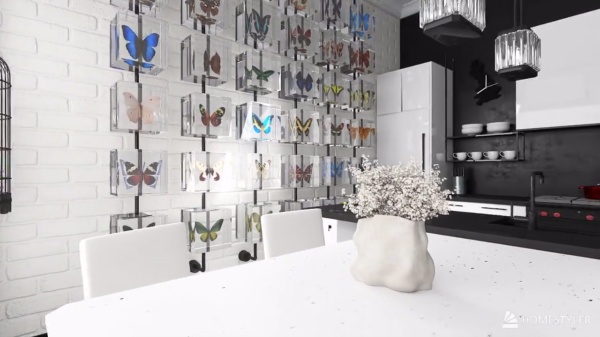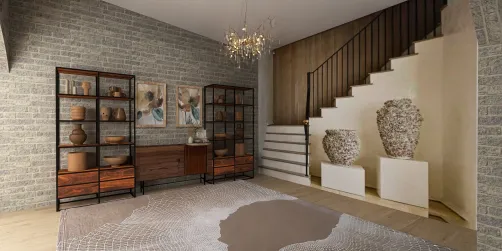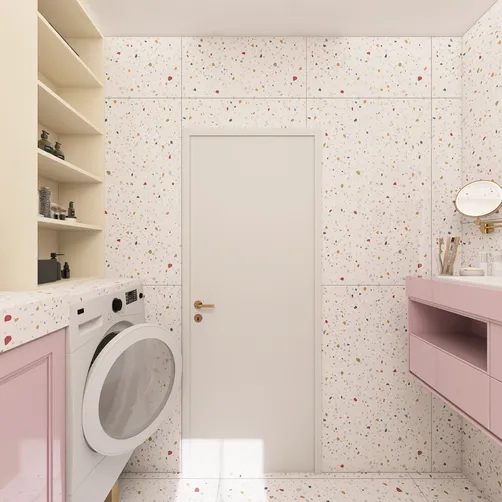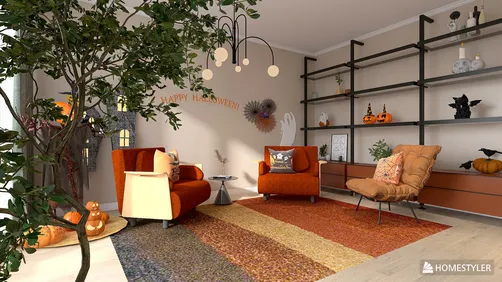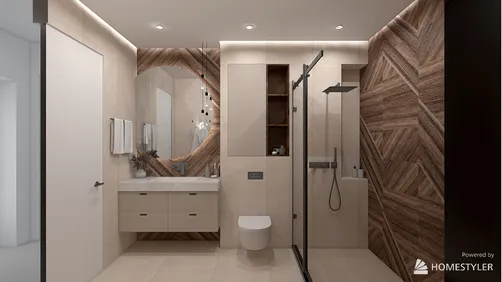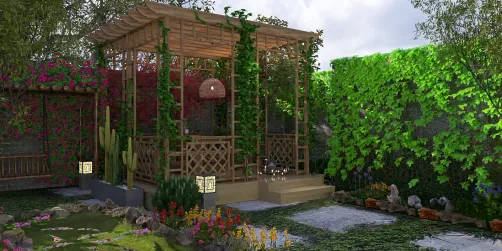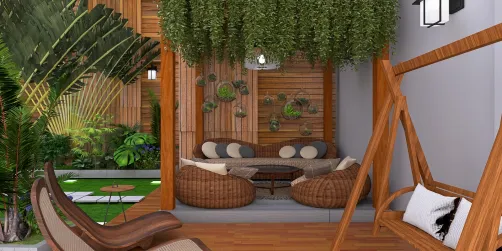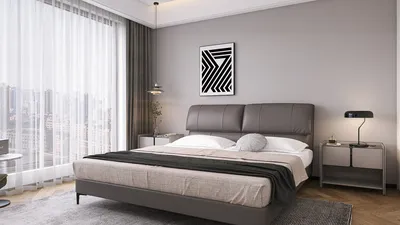
A client once requested a neon-pink sofa, saying it brightens her mornings at 6am. Instead of outright refusing, we discovered a way to harmonize that striking piece in the design, ensuring the entire room felt stylish rather than chaotic. Working within small spaces teaches valuable lessons in moderation: one striking feature with ample soft accents can transform a room from cluttered to curated. For those looking to visualize how color and arrangement interact in a compact space, utilizing a quick 3D mock-up with Homestyler can really help in testing proportions and sightlines.
1. Establish a strong base with a single rich color
Selecting a single vibrant shade—like a deep teal, vibrant mustard, or bold coral—can serve as the foundation of a room's design. This approach infuses personality without being overpowering, as the remainder of the color scheme remains neutral or understated. Elements like cushions, rugs, or a uniquely painted wall can help carry this theme. The benefit? Instantly noticeable character; the challenge comes in ensuring that the finishes are cohesive so the color feels integrated rather than simply added.
save pin
2. Incorporate small patterns for added dimension
Even limited spaces can embrace patterns, provided they are on a smaller scale. Subtle stripes, tiny geometric designs, or micro-florals can be layered throughout cushions and curtains, adding visual interest without creating chaos. In a studio I redesigned, turning a large-pattern rug into one with a more modest repeat made the seating area feel cozier and less cluttered. A budget-friendly tip: change up textiles seasonally—cushions and throws are inexpensive mood lifters.
save pin
3. Opt for multi-purpose furniture in playful hues
In small living areas, combining functionality with flair is essential. I frequently recommend an ottoman with concealed storage or a slim console that can double as a desk; selecting these items in cheerful colors links practicality with style. The key, however, is to be mindful of dimensions—oversized multi-functional pieces can easily dominate a small space, so using tools like Homestyler for measuring and mock-ups before purchase is critical.
save pin
4. Keep walls light, while introducing color with shiny finishes
Light-colored walls can make a room appear larger, but that doesn't mean the design needs to be dull. Adding metallic trims, glazed tiles, or glossy shelves in vivid colors can introduce sparkle without compromising space. I learned this lesson when a matte red shelf felt cumbersome; switching to a lacquered finish retained the color while enhancing light reflection in the room. To experiment with furniture layouts and brainstorm ideas, using a platform like Homestyler can be highly effective.
save pin
5. Define visual areas using rugs and lighting
To create distinct zones—like a reading nook or a gathering area—utilizing rugs and layered lighting can impart depth to a petite living area. A colored rug can anchor a sofa, while contrasting lamps can add height and character. A small downside to consider: using too many small rugs can lead to a messy look, so it’s wise to select one primary anchor rug and incorporate color through lighting and artwork.
save pin
FAQ
Q1: What colors can help a small living room appear larger?
A: Light neutrals and cool shades (like soft blues, muted greens, warm whites) reflect more light and create a sense of spaciousness, but a singular saturated accent can add depth without making the room feel confined.
Q2: Is it possible to use many bright colors in a small living area?
A: Absolutely—provided you limit the palette to one dominant bright color and a couple of accent shades. Too many competing vivid colors can make the space feel cramped; repetition helps in harmonizing them.
Q3: How should I select a rug for a vibrant small living room?
A: Choose a rug that anchors your main seating area and complements your accent colors. In tiny spaces, opt for rugs with smaller patterns to avoid overwhelming the design.
Q4: Are bold painted walls a poor choice for small areas?
A: Not necessarily. A single bold wall can create a sense of depth and serve as a focal point; balance it with lighter surrounding walls and reflective elements to prevent the space from feeling cramped.
Q5: How crucial is lighting when employing color?
A: Extremely important—both natural light and layered artificial lighting can reveal colors authentically and prevent vibrant shades from appearing too heavy. Utilizing dimmers and multiple light sources can help adjust the mood effectively.
Q6: What finishes work best with colorful accents in furniture?
A: Matte woods, soft linen upholstery, and subtle metallics typically pair beautifully with bright hues. Mixing textures (such as a velvet cushion alongside a linen sofa) can enrich the palette without introducing visual clutter.
Q7: Can you recommend quick tools to test layouts?
A: For swift layout evaluations, I often use 3D sketches; platforms like Homestyler allow for realistic visualization of proportions and color balance which helps to avoid misjudgment in scale for small rooms.
Q8: Is there research to support the use of light colors to create an expansive feel in rooms?
A: Yes—design experts like Sherwin-Williams advocate for light-reflective paints and finishes to enhance the perception of space in small rooms; their practical guides elaborate on how sheen and color choices can influence the sense of openness (see Sherwin-Williams' resources).
Homestyler is your go-to online home design platform, perfect for transforming your space effortlessly. With its user-friendly design tool, stunning 3D renderings, and a wealth of DIY video tutorials, you can explore endless design possibilities and bring your vision to life in no time!