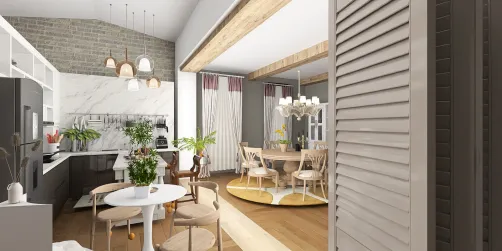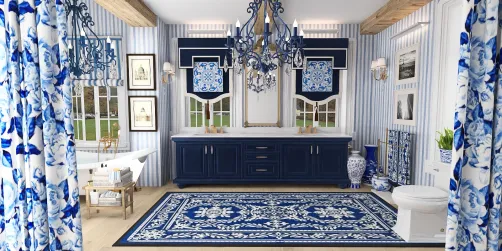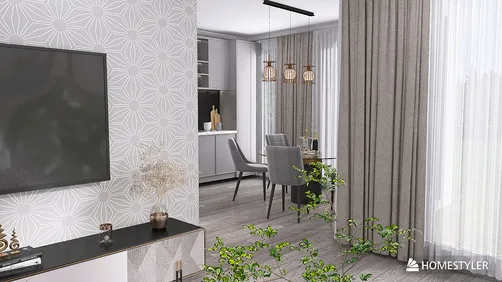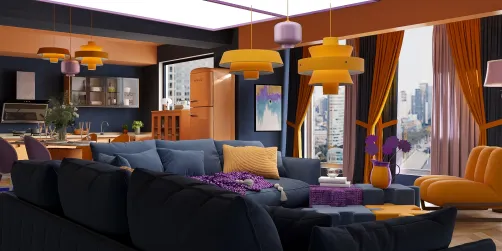
A few years back, I made the novice blunder of recommending a massive stainless steel vent for a compact city kitchen. The outcome? It resembled a spacecraft attempting to land on the stovetop. This experience highlighted that kitchen hoods should balance both proportion and design alongside functionality. In smaller spaces, it’s crucial to be inventive — each inch matters, and a well-chosen vent can serve as both an eye-catching feature and a clever design solution. Today, I’m excited to share my top 10 kitchen hood vent inspirations from my personal journey, combining aesthetics and utility. If you're interested in how I effectively plan layouts before purchasing appliances, I always utilize a virtual room planner like Homestyler to test designs.
1. Concealed Cabinet Hood
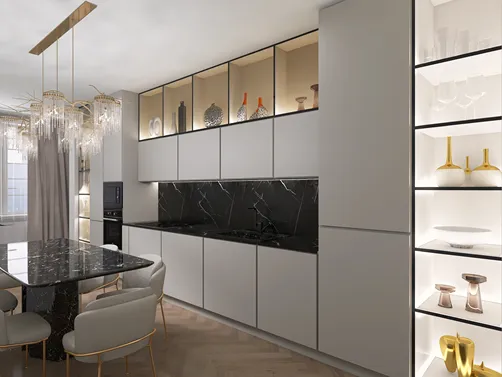
I adore the idea of hiding the vent within a cabinet facade that matches the kitchen's decor. This approach creates a seamless look, especially ideal for open-plan layouts. It’s essential to ensure adequate airflow — collaborating closely with your installer on specifications is key.
2. Sleek Minimalist Hood
These low-profile hoods are perfect for small apartments, providing ventilation without cluttering the cooking area visually. While they may not have the air-pulling capacity of commercial hoods, their sleek design is both cost-effective and appealing.
3. Eye-Catching Copper Hood
Aged copper can complement both industrial and rustic decor beautifully, developing a warm patina over time. Despite being heavier and more costly, its unique appearance makes it a worthwhile investment.
4. Modern Under-Cabinet Hood
This type of hood optimizes space while maintaining a clean, contemporary aesthetic. I’ve previously paired it with floating shelves to create an open feel. When redesigning floor plans, I often sketch using a free floor plan creator to assess clearances accurately.
5. Light and Airy Glass Canopy Hood
If you want a vent that appears lightweight yet significant, glass canopy designs are an excellent choice. The only downside? Fingerprints — but microfiber cloths are a handy solution for that.
6. Integrated Ceiling Island Hood
When cooking on an island, a ceiling-mounted hood can also serve a dual purpose as a lighting fixture. This setup requires robust ducting and sometimes necessitates a custom soffit installation.
7. Disappearing Downdraft Vent
My personal favorite for ultra-minimalist kitchens. It ascends when in operation and retracts when not in use. Just keep in mind, it’s less effective for grease-heavy meals.
8. Bold Industrial Black Steel Hood
When combined with subway tiles and wooden details, this design strikes a balance between boldness and subtlety. The black finish also does a better job of concealing smudges than stainless steel.
9. Cozy Decorative Wood-Covered Hood
Wrapping the hood in reclaimed wood adds a warm, farmhouse vibe. Just be sure the wood treatment can withstand heat and humidity effectively.
10. Hood Featuring Built-in Storage
I once created a hood with a spice rack positioned in front, which my clients loved. This innovation illustrates that every part of the kitchen can be multifunctional, and when planning a significant remodel, using tools like Homestyler for kitchen layout visualization can be incredibly beneficial.
FAQ
1. Is a vent hood really necessary?
Absolutely, especially if you enjoy cooking. It helps eliminate grease, odors, and moisture, enhancing indoor air quality.
2. Which type of hood is the most powerful?
Typically, wall-mounted professional-style hoods with high CFM ratings offer the most power. Your choice should align with your cooking habits.
3. Can I install a hood without external venting?
Yes, by using ductless or recirculating hoods equipped with charcoal filters, although this method is less efficient.
4. What is the recommended height for a hood above a stove?
Experts usually suggest a height of 24–30 inches above electric ranges and 27–36 inches above gas stoves (as per NKBA guidelines).
5. Does a larger hood always perform better?
Not necessarily. Oversized hoods can overwhelm small kitchens both visually and acoustically.
6. Are downdraft vents effective?
While they are excellent for maintaining a minimal aesthetic, they tend to be less powerful for heavy cooking such as frying.
7. How do I determine the right hood size?
Aim for a size that matches or slightly exceeds your cooktop width for optimal effectiveness.
8. Can I customize the materials used for hoods?
Definitely — stainless steel, wood, glass, and copper are all excellent options with proper heat resistance in mind.
Homestyler is your go-to online platform for effortless home design. With its user-friendly design tool, stunning 3D renderings, and a wealth of inspiring design projects and video tutorials, you can easily transform your space into a dream home. Start creating today!