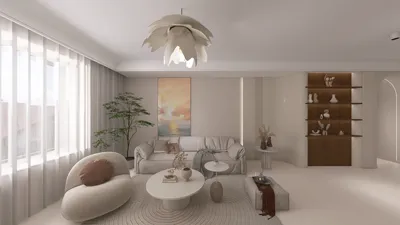


Once, I attempted to fit a stylish mid-century 3-seater sofa into a compact apartment, driven by the owner's admiration for its aesthetic. It nearly ended up causing a constant logjam around the coffee table. This experience served as a crucial lesson that practicality and spatial awareness should always take precedence over mere design trends. Now, I begin each project by envisioning how individuals will navigate around furniture pieces like couches. For anyone seeking modern seating options ideal for limited spaces, I’m excited to share five practical ideas, complete with honest trade-offs and quick tips to evade similar missteps from my past — along with a couple of useful tools I rely on for creating room layouts when the measurements get challenging, including the innovative Homestyler platform.
1. The Slim-Arm Loveseat
Slim-arm loveseats are a personal favorite due to their lightweight visual impact while still providing actual seating for two. Their elegant tapered legs and low back design enhance openness in small rooms, contributing to a less confined atmosphere. However, the comfort level may diminish for lounging; if you're planning some relaxation, consider adding a chaise or a plush throw pillow for added comfort.
save pin
2. Armless Modular Seating
Armless modular seating units are incredibly versatile and my go-to choice for unpredictably shaped spaces; they can snugly fit against a wall or be arranged to form a cozy conversation zone. Contemporary fabric options such as boucle or matte leather add a modern touch without overwhelming the room. One challenge is ensuring to select modular components that feature robust connections to prevent separation with regular use.
save pin
3. Multi-Functional Sofa with Storage
In spaces where every square inch counts, incorporating storage solutions within your sofa can be transformative. I’ve frequently recommended ottoman seats with liftable tops, as well as sofas equipped with concealed drawers in various client projects. While these options can add visual heft, it’s crucial to counterbalance them with lighter open shelving elsewhere in the room. Keep the upholstery tone light to avoid creating a heavy visual presence. As a budgeting tip, opt for storage solutions that come with a warranty on their mechanisms.
save pin
4. Settee or Apartment Sofa
Consider a settee as a chic middle-ground option: narrower than a typical sofa but more refined than a loveseat. I once integrated a walnut-cedar settee into a small Chelsea flat, and the owner appreciated how it delineated seating without dominating the space. Drawbacks include limited seating capacity and potentially higher costs per seat, but often the proportions justify the price.
save pin
5. Floating Sofa with Legs and Low Profile
Elevating a contemporary sofa on legs so that it appears to 'float' instantly enhances the airiness of the room — allowing more floor visibility, which makes the space feel more expansive. If additional surface area is necessary, consider pairing it with a slender console table behind. To visualize furniture arrangements effectively, I prefer starting with 3D modeling; it’s not only cost-effective for clients but also minimizes stress for me.
save pin
Quick Material & Color Tips
Opt for lighter neutral tones for upholstery to maintain brightness, but don’t hesitate to incorporate a bold accent piece — such as a dark chair or a textured throw — to anchor the room. Fabrics featuring tight weaves are better at resisting stains in high-traffic areas, and removable covers provide ease of cleaning, especially for homes with pets or children. Small rooms can handle patterns, but keep them subtle: micro-patterns feel more like texture than overwhelming prints.
save pin
Real-World Layout Trick I Use
Prior to making any purchases, I always draft a straightforward layout and capture a single view from the main sightline for clients. This exercise often leads to the realization that a slightly narrower sofa could suffice. For a final touch, I sometimes request a fabric swatch taped to a cardboard piece to assess color under genuine lighting conditions. To elevate the realism further, I have found success with ordering photo-realistic renderings of couches, allowing clients to preview how different upholstery and shadow effects will appear in their actual space when using tools like Homestyler.
save pin
FAQ
Q1: What is the ideal depth for a contemporary couch in a small living room?
A1: For compact areas, a seat depth of about 20–22 inches is typically comfortable and avoids a bulky feel. Sofas with deeper depths can be inviting but may overwhelm tight movement spaces.
Q2: Are two loveseats preferable to one sofa in a small space?
A2: Having two loveseats can foster a balanced conversation area if the width allows; alternatively, a single narrow sofa coupled with an accent chair can conserve floor space while offering greater flexibility.
Q3: How can I choose a color that won't make the room feel smaller?
A3: Select light to medium neutrals for the primary sofa and introduce one darker or colorful accent piece. Lighter colors reflect more illumination and visually enlarge the area.
Q4: Is leather or fabric better suited for small households with pets?
A4: Tight-grain leather is odor-resistant and easy to maintain; performance fabrics with stain resistance also work well. Removable covers make cleaning much simpler.
Q5: Can a sofa with exposed legs genuinely make a room appear larger?
A5: Absolutely — the visibility of flooring beneath the sofa fosters an impression of openness and fluidity, which visually amplifies the perceived floor area, especially compared to skirted or solid-base furniture designs.
Q6: How much space should I allow between a couch and a coffee table?
A6: Aim for a clearance of 14–18 inches, allowing individuals to comfortably reach for drinks while ensuring the layout doesn’t feel cramped; less than 12 inches can hinder movement.
Q7: Where can I seek professional advice on furniture scale and arrangement?
A7: Professional bodies such as the American Society of Interior Designers offer guidelines and resources for effective space planning; visiting ASID can provide you with valuable insights (https://www.asid.org).
Q8: Are modular sofas worth investing in for small spaces?
A8: Modular options deliver unparalleled adaptability for changing requirements and unconventional room shapes; while they might incur greater initial costs, they can save you money by resolving future replacement needs.
save pin
Homestyler is your go-to online home design platform! With an intuitive design tool, stunning 3D renderings, and a wealth of DIY video tutorials, creating your dream space has never been easier. Explore inspiring design projects and transform your home effortlessly!
Projete agora para LIVRE
































