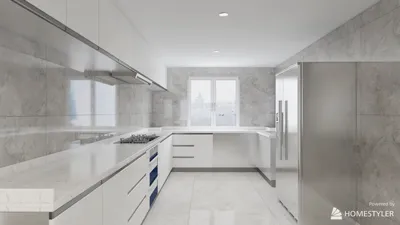


I once worked with a client who was adamant about using glossy black tiles, believing that they would impart a powerful look to the space. However, just two weeks after the installation, we were maneuvering around coffee rings and scuff marks as if it were an obstacle course. This experience taught me a valuable lesson. To prevent similar issues in the future, I began creating quick visual mockups for each design concept. This way, clients can visualize potential traffic and maintenance challenges before the grout sets.
1. A Modern Take on Checkerboard Tiles
I have a fondness for classic checkerboard patterns as they serve not only as flooring but also as a subtle wayfinding feature. By replacing the stark black with muted charcoal and warm cream, you can maintain contrast without giving the space a dated feel. This approach is budget-friendly and conceals wear exceptionally well; however, high-contrast designs can appear visually overwhelming in smaller meeting areas.
save pin
2. Large-format Porcelain Tiles for a Sense of Continuity
Utilizing large-format tiles reduces the number of grout lines, which helps make a small office space feel more expansive and easier to maintain. Porcelain tiles are especially durable and resistant to stains, making them ideal for areas near coffee stations. However, it's worth noting that both the material and installation costs may be higher, and the heavy tiles can present challenges during retrofitting.
save pin
3. Textured Tiles for High-Traffic Areas
For reception areas and collaborative spaces, I recommend using textured or slip-resistant tiles, which can manage foot traffic and disguise scuff marks. I conduct quick space planning tests to ensure these tiles are placed strategically, targeting only high-traffic zones and preserving the budget. The challenge is that achieving a clean transition between different textures requires careful trimming to prevent trip hazards.
save pin
4. Tile Runners for Circulation Flow
Instead of covering an entire floor with carpet, consider creating tile runners that guide movement from the entrance to meeting rooms. Different colors or orientations of tiles can subtly organize circulation without the need for walls. The challenge here lies in coordinating the grout color and pattern to ensure that the runner is clear and distinct from all perspectives.
save pin
5. Mosaics for a Striking Brand Statement
Looking to create a focal point? A mosaic or terrazzo-inspired tile feature behind the reception area can establish your brand identity while also hiding stains effectively. I once incorporated a terrazzo band that echoed the color palette of the company logo, which turned out to be an Instagram hit. Keep in mind that mosaics generally take longer to install and can inflate costs, so it’s best to reserve them for areas meant to make an impact, referring back to mockups like those created in my previous tile layout case study.
save pin
FAQ
Q: What is the best tile material for an office setting?
A: Porcelain tiles rank highly for office environments due to their durability, low porosity, and stain resistance. Vinyl tiles are also a popular option because they are economical and provide acoustic comfort.
Q: Which tile size is best to make a small office appear larger?
A: Larger-format tiles (like those over 60x60 cm) minimize grout lines, visually expanding the floor space and making compact areas feel more open.
Q: How should I choose a grout color?
A: You can either match the grout to your tiles for a seamless appearance or opt for a contrasting grout to highlight a specific pattern. Be mindful of maintenance, as darker grout tends to conceal stains better in high-traffic areas.
Q: Are mosaic tiles practical in busy offices?
A: Absolutely! When used sparingly as accents, they are both functional and low-maintenance. However, covering the entire floor with mosaics may prove to be costly and time-consuming to install.
Q: Do tiles impact office acoustics?
A: Hard tiles do reflect sound. It is advisable to use them in conjunction with acoustic ceilings, wall panels, or area rugs in key focus zones to minimize noise. Strategically placed rugs under meeting tables can make a significant difference.
Q: How slip-resistant should tiles be in an office?
A: For entryways and areas near sinks or kitchens, select tiles with higher slip-resistance ratings. Always check the manufacturer's ratings for wet and dry conditions.
Q: What about sustainability in tile choices?
A: Seek tiles made from recycled materials or use low-VOC adhesives; porcelain often has a long life cycle, making it a sustainable option due to its longevity.
Q: Where can I find technical specifications for tile performance?
A: For expert specifications and performance standards, refer to the Tile Council of North America (TCNA) Handbook, which covers durability and installation guidelines.
save pin
Homestyler is your go-to online home design platform! With its easy-to-use design tool, stunning 3D renderings, and a wealth of design projects and DIY video tutorials, you can effortlessly create and visualize your dream spaces. Unleash your creativity today!
Дизайн сейчас бесплатно
































