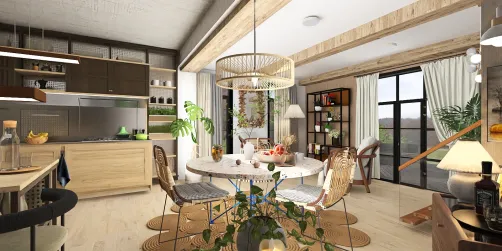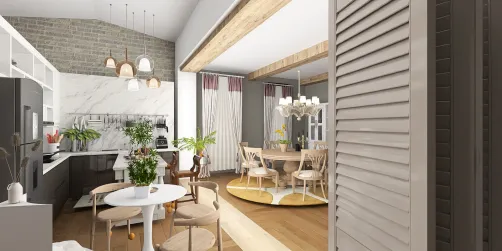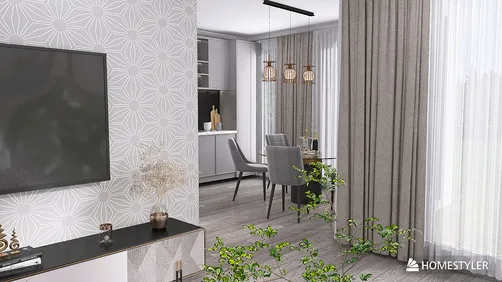
In a past project, a client requested that their island be wrapped in reclaimed piano wood for its supposed ability to enhance the ambiance. Initially, I was on board, but I quickly realized how sensitive wood can be to kitchen humidity — a valuable lesson that resulted in a refinished toe-kick and plenty of laughter. This experience has since influenced my approach to island cladding, which I now treat as a blend of aesthetics and engineering. Consequently, I always begin with an island layout guide before making design choices, ensuring a functional outcome.
1. Combining materials: The fusion of wood and metal
I have a passion for pairing warm wood veneers on the face panels with slim metal bands along the edges. This combination exudes high-end appeal without straining your budget and is superior at concealing impacts when compared to painted MDF. However, maintenance is essential: metal tends to show fingerprints, and wood needs proper sealing, so be prepared for occasional upkeep.
2. Full-faced wood panels featuring vertical grain
Vertical grain panels can enhance the visual height and stability of a compact island. I often recommend engineered oak for clients seeking durability, as it is more stable than solid wood and generally less expensive. A budget-friendly tip is to use genuine wood on the most visible faces while opting for high-quality laminate on the less visible ends, allowing for cost savings.
3. Sculptural appeal with tile or stone wrap
Wrapping an island with tile or thin stone veneer provides a striking sculptural centerpiece capable of withstanding splashes and heavy usage. This option brings both texture and a tactile quality to the kitchen, though installation can be more labor-intensive and costly. To help clients visualize the outcome, I often create a 3D kitchen mockup to explore different options before finalizing decisions.
4. Open shelving integrated with metal frame wraps
A visually light design can be achieved by incorporating open metal frames with integrated shelving into the island. This style is perfect for showcasing cookbooks or decorative pottery and creates an airy feel in the kitchen. However, this approach sacrifices concealed storage and necessitates careful styling, as clutter becomes more noticeable.
5. Painted panels with contrasting trim
Never underestimate the power of paint: choosing a deep, dramatic color alongside crisp trim around panels can create a custom appearance without the hefty price tag. While this option is the easiest to update later, scratches and chips can be more visible on darker hues. For those seeking evolving ideas, combining paint with subtle hardware can be a great strategy — consider also utilizing AI tools like Homestyler when brainstorming color combinations.
FAQ
1. Which materials are ideal for kitchen island wraps?
I suggest using engineered wood, thin stone veneer, tile, or durable laminates. Each of these materials comes with different maintenance requirements: stone and tile are relatively low-maintenance, wood needs sealing regularly, and laminates are wallet-friendly.
2. What clearance is recommended around a wrapped island?
It’s advisable to leave at least 42 inches (107 cm) for a single cook and 48 inches (122 cm) for multiple cooks to navigate safely and access appliances without difficulty.
3. Is it possible to wrap my island myself?
Simple solutions such as peel-and-stick panels or painting are user-friendly for DIY projects, but heavier materials like tile or stone veneer require professional installation to ensure structural integrity and waterproofing. I recommend consulting a contractor for any modifications that may impact plumbing or appliances.
4. What’s the most affordable yet impactful island wrap?
Combining paint with trim or employing high-quality laminate panels yields significant visual appeal at a low cost. By strategically applying real wood in high-contact areas, you can maintain a luxurious look while being budget-conscious.
5. How can I protect a wrapped island from kitchen wear?
Using sealants for wood, selecting grout-friendly tiles, and applying durable finishes to splash-prone sides can enhance durability. Adding a protective toe-kick and opting for scuff-resistant paints are effective strategies for high-use kitchens.
6. What design errors should I avoid when wrapping an island?
Absolutely: ensure functional elements like outlets and seating knees are not concealed behind permanent cladding, and steer clear of heavy materials that may necessitate extra support structures. I've learned from experience that aesthetics must complement functionality.
7. How do trends influence choices for island wraps?
While trends can suggest certain finishes, my priority lies in durability: choose materials and colors that can easily adapt over time (for example, a neutral base that allows for interchangeable hardware). This way, a trendy countertop can be updated without replacing the entire island.
8. Where can I access official standards for kitchen island planning?
For authoritative guidelines on planning dimensions and safety standards, the National Kitchen & Bath Association (NKBA) offers valuable insights into optimal clearances and functional arrangements (check NKBA’s website for more info at https://www.nkba.org/).
Homestyler is the ultimate online home design platform for anyone looking to transform their space. With its user-friendly design tool, stunning 3D renderings, and wealth of DIY video tutorials, you can effortlessly create and visualize your dream home. Start your design journey today!