A client once requested a backsplash that mirrors the ocean at sunrise—radiant cerulean hues with an iridescent finish that also pose cleaning challenges. I assured them a solution that was both stunning and easy to maintain. This experience taught me that even small spaces can inspire grand ideas. For those looking to swiftly visualize different backsplash options, utilizing 3D sketching tools like Homestyler has spared me from countless nights without sleep.
1. A Timeless Twist on Subway Tile
Subway tile has always held a special place in my heart due to its timeless nature. I often opt for laying them in herringbone or vertically stacked patterns, effectively giving the appearance of a taller ceiling. It's affordable and readily available; however, grout upkeep can be a challenge. Therefore, I suggest using a darker grout or opting for epoxy grout, especially for those who enjoy cooking frequently.
save pin
2. Striking Geometric Mosaics for Accents
When approached by a client wanting a dramatic flair in their compact rental kitchen, I decided to use a geometric mosaic on just the stove wall. This approach felt intentional yet didn’t overwhelm the area. While the cost and installation time can be higher, limiting it to a smaller focused area can keep expenses and labor more manageable.
save pin
3. Utilizing Large Format Slabs for a Cohesive Design
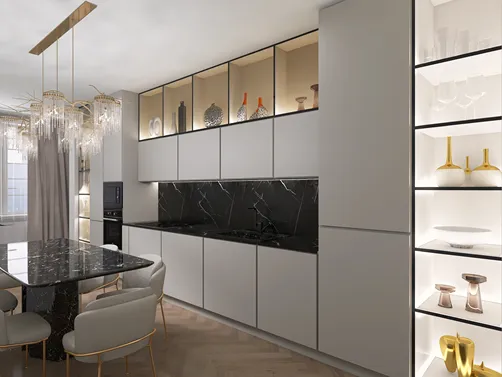
By employing large porcelain or quartz slabs, one can completely eliminate the presence of grout lines, resulting in a luxurious and easy-to-clean surface. This is particularly beneficial if scrubbing tiles is not your favorite pastime. When remodeling the kitchen, it’s wise to coordinate the kitchen layout with the choice of materials to ensure seams and edges are positioned in the least visible areas.
save pin
4. Vibrant Hand-Painted Tiles for Unique Character
I once procured locally crafted hand-painted tiles for a kitchen that needed a touch of warmth and story; these tiles instantly added charm and a unique character. However, one must consider their longevity; hand-painted tiles may chip and are usually more expensive, so I recommend using them in smaller areas, such as a backsplash behind open shelving.
save pin
5. Metallic and Glass Accents to Enhance Light Reflection
In smaller kitchens, I like to incorporate a metallic or glass tile strip to reflect light and make countertops stand out. This minor investment leads to a significant visual impact. If you're looking into modern solutions, many designers now utilize AI tools like Homestyler for interior design to test various color combinations before finalizing—just be prepared for shimmering fingerprints on shiny surfaces!
save pin
FAQ
Q1: What is the ideal tile size for a compact kitchen backsplash?
I usually suggest medium-sized tiles (like 3x6 or 4x12) or large slabs, as medium tiles provide texture without excessive grout lines; meanwhile, large slabs can significantly reduce maintenance efforts.
Q2: How high should I install a kitchen backsplash?
The standard height is typically 18 inches above countertops, but I frequently extend it to the bottom of upper cabinets or up to the range hood for dramatic effect and easier cleaning.
Q3: Do glass tiles require extensive maintenance?
Although glass tiles are simple to wipe down, they can be susceptible to water spots and fingerprints. Opting for a textured or matte finish can help achieve a more low-maintenance look.
Q4: Is it feasible to install a tile backsplash on my own?
Absolutely—simple subway tiles are a great DIY project if you're at ease with tile adhesive and grout. However, intricate mosaics or large-format slabs are best left to professionals to avoid issues like lippage and uneven seams.
Q5: What grout color should I select?
Dark grout is excellent for hiding stains and offers a modern aesthetic; light grout can brighten the area. My grout choice depends on the lifestyle of the occupants—families with children tend to favor darker shades.
Q6: Are there cost-effective options for backsplashes?
Peel-and-stick tiles, beadboard, or painted paneling can imitate tile at a lower cost, though they may lack the durability of ceramic or porcelain over time.
Q7: How can I protect tiles behind the stove?
It's advisable to use heat-resistant materials like porcelain, stone, or stainless steel directly behind cooking areas, and seal porous surfaces to avoid grease infiltration. The National Kitchen & Bath Association (NKBA) advocates for the use of durable, easy-to-clean materials behind ranges for both safety and cleanliness (source: https://www.nkba.org).
Q8: Which tile trends are sustainable long-term?
Timeless shapes like subway or hexagon tiles and high-quality materials tend to endure the test of time. While bold colors or metallics can be exciting, consider using them as accents so updates can occur without complete renovations.
save pin
Homestyler is an outstanding online home design platform that makes interior design accessible to everyone. With its user-friendly design tool, stunning 3D renderings, and a wealth of DIY video tutorials, you can effortlessly create and visualize your dream spaces. Transform your home with ease!