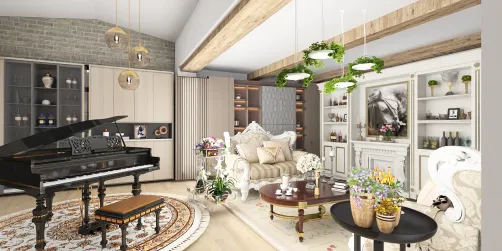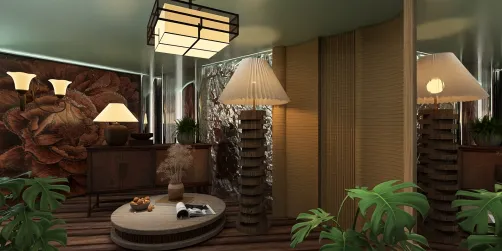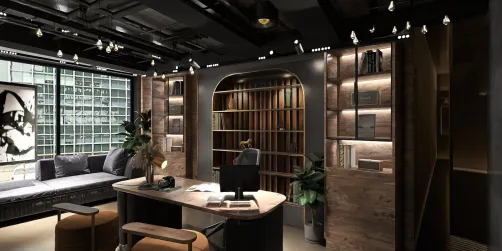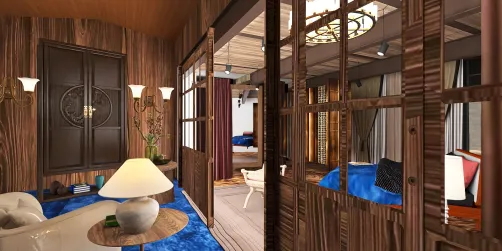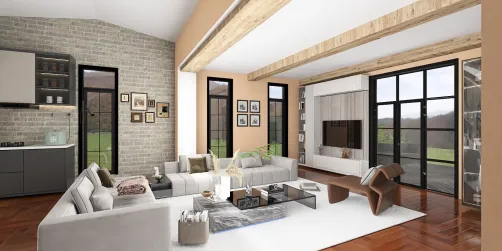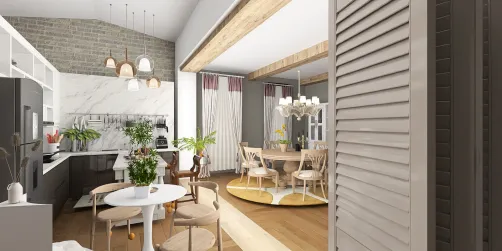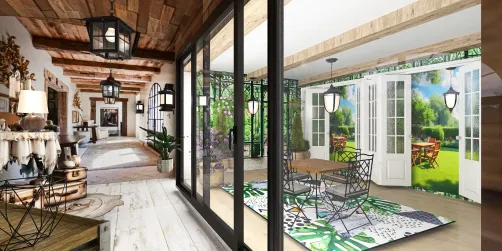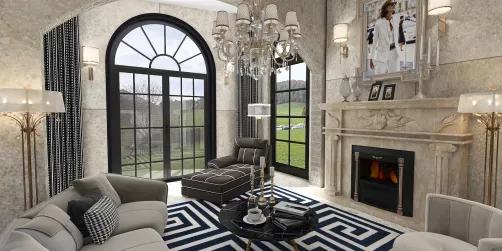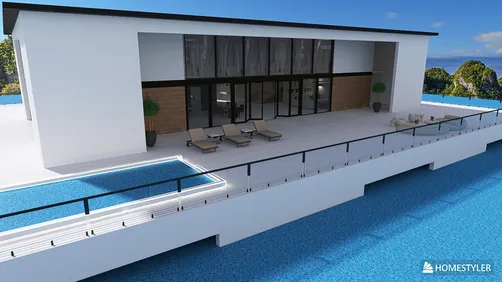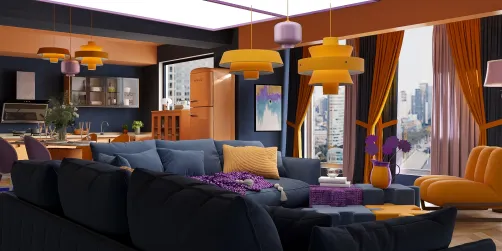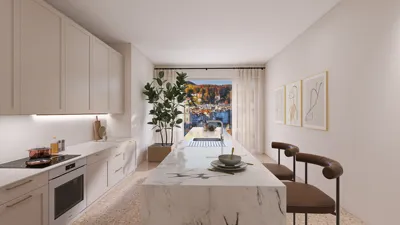
Reflecting on my past experiences, I still find humor in almost demolishing a ‘decorative’ wall that turned out to be crucial for the structure. Fortunately, I relied on a kitchen layout planner to test the design before the demolition team arrived. That close call reinforced my belief that a well-thought-out plan can save not only time and expenses but also prevent unnecessary stress.
1. Sunroom Bump-Out for a Bright Breakfast Nook
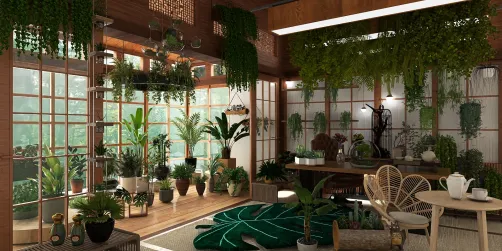
Incorporating a sun-drenched bump-out is one of my favorite strategies—it transforms a confined corner into a vibrant dining area while visually enlarging the kitchen space. The benefit is an influx of natural light alongside a significant lifestyle enhancement; however, challenges such as roof flashing and coordinating exterior finishes can elevate costs.
2. Open-Plan Island Extension (Bumping Out the Island)
For clients seeking additional prep space without relocating plumbing, I often advise extending the area slightly to accommodate a larger island with overhanging seating. This setup proves advantageous for entertaining and streamlining workflows; nonetheless, it's crucial to reconsider traffic patterns to avoid traffic jams caused by the island.
save pin
3. Repurposing an Adjacent Room as a Scullery or Pantry
Transforming a neighboring closet or small space into a dedicated pantry or scullery has become one of my top low-effort enhancements. It provides necessary storage and preparation space without the need for extensive structural work. However, this does mean sacrificing that extra room, so I always analyze how family members utilize their spaces ahead of time—occasionally modeling it using a 3D floor planner, like Homestyler, ensures everything flows correctly.
save pin
4. Side Bump-Out with Sliding Doors for Indoor-Outdoor Cooking
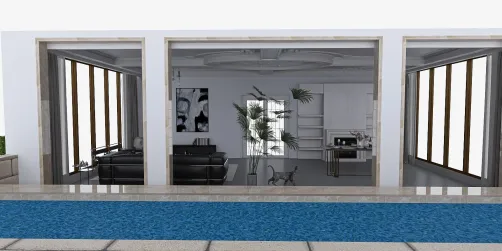
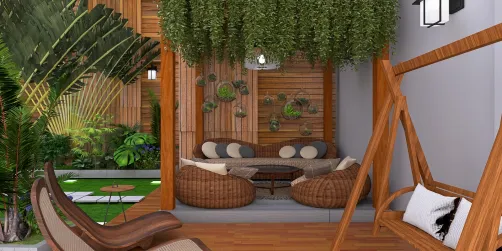
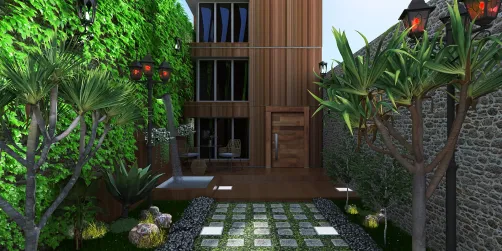
If your property includes a side yard, a slender bump-out with sliding glass doors can create a seamless transition to an outdoor grilling area or herb garden. This addition is ideal for summer dining and enhances the overall space perception; however, careful planning for drainage and insulation is necessary to ensure its functionality year-round.
save pin
5. Compact Back Addition Featuring Smart Tech Integration
For smaller plots, a compact back addition that maximizes layout and appliance placement can significantly elevate functionality. Consider incorporating a taller pantry wall, stacked ovens, and integrated hoods. I have begun implementing AI-driven interior design suggestions for appliance positioning and lighting options; this technology aids in optimizing tight spaces, although smart features can increase upfront expenses and complexities over time.
save pin
FAQ
Q: What is the typical cost for a kitchen addition?
A: Costs can vary dramatically based on size and location; expect a range from the low tens of thousands for a small bump-out to full extensions that might surpass mid-six figures. It's essential to gather multiple estimates and account for a realistic budget buffer.
Q: Is a permit necessary for a kitchen addition?
A: Yes, most structural enhancements require permits for zoning compliance, safety standards, and often plumbing and electrical inspection. It’s advisable to consult your local building department early to avoid construction delays and legal issues.
Q: What is the duration for completing a small kitchen addition?
A: A simple bump-out or pantry conversion generally takes about 4 to 8 weeks, while more extensive additions requiring structural work can span from 3 to 6 months for completion. Weather conditions and permit processing times are common factors influencing schedules.
Q: Will adding a kitchen increase my home's market value?
A: Typically, yes—additional usable square footage and modern kitchen features are highly attractive to buyers. However, it's wise to avoid excessive customization; neutral, high-quality finishes tend to appeal to a broader audience more than overly specialized designs.
Q: What layout is optimal for small kitchen additions?
A: I advocate for minor adjustments that enhance the work triangle and create designated areas—preparation, cooking, and cleaning—without resulting in protracted walking distances. Sometimes a modest island or reorganized pantry can yield more significant benefits than merely expanding the footprint.
Q: How should ventilation be addressed in a kitchen addition?
A: Effective ventilation is paramount—ensure plans include a suitably sized hood and ductwork or high-performance recirculation systems if ducting is not feasible. It’s prudent to consult a mechanical contractor early in the design process to integrate vent pathways seamlessly.
Q: What design tools do you recommend for planning?
A: I frequently utilize digital tools to visualize layouts prior to actual construction; modeling in 3D, such as using Homestyler, minimizes errors and enables confident decision-making for clients. These planning tools allow experimentation with various cabinetry designs, island configurations, and traffic flows all without needing to start construction.
Q: What are the suggested clearance dimensions?
A: For practical advice, adhere to the National Kitchen & Bath Association (NKBA) specifications—this typically includes 42 inches of clearance for single cooks and 48 inches for multiple cooks between the island and counters. For comprehensive standards, refer to the NKBA’s guidelines: https://www.nkba.org.
save pin
Homestyler is your go-to online home design platform! With its user-friendly design tool, stunning 3D renderings, and a wealth of DIY video tutorials, you can effortlessly transform your space and unleash your creativity. Start designing your dream home today!