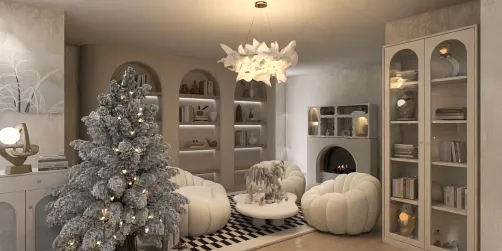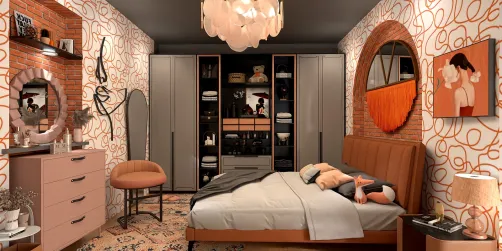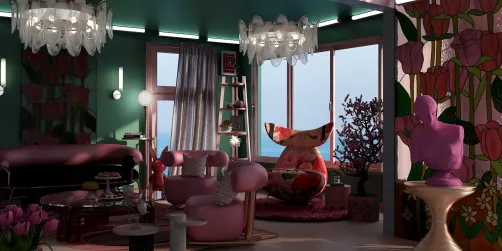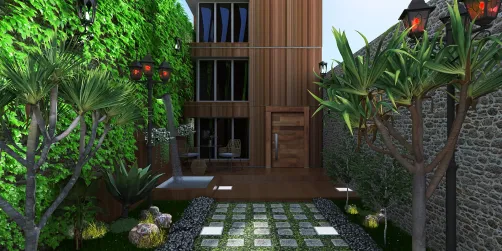
In my decade-long journey as an interior designer, I've observed a significant shift in color trends—from conventional neutrals to adventurous, personality-infused palettes. One crucial lesson I've learned is that limited square footage doesn't equate to limited creativity. In reality, selecting the perfect color schemes for your living and dining areas can dramatically alter your feelings about home. Here are my top 10 color inspirations, blending personal insights with expert advice to help you discover a scheme that resonates with your unique space, leveraging tools like Homestyler for enhanced visualization.
1. Warm Greige for a Smooth Transition
Personal Insight: I incorporated warm greige in a smaller apartment to create a sense of unity across the living and dining zones. The subtly warm undertones provided a cozy atmosphere without constricting the area.
Benefits: It offers a neutral base that is effortless to decorate and is especially effective in small, combined areas where flow is essential. As reported by Architectural Digest, greige is ideal for environments with varying natural light.
Drawbacks: Without the addition of textures or accent colors, it might seem dull; dull finishes can appear lifeless in artificial lighting.
Suggestion: Introduce textiles with varied weaves to keep greige visually engaging.
2. Deep Navy for Stylish Contrast
Personal Insight: I opted for deep navy in a dining area to ground the space and inject sophistication. It contrasted beautifully with lighter wood pieces and gently illuminated spaces.
Benefits: This color adds drama and depth, pairs wonderfully with metallics, and elegantly showcases architectural features. Additionally, it visually distinguishes the living from the dining areas.
Drawbacks: Excessive use can make smaller rooms feel cramped, so balance with sufficient lighting is crucial.
Consider coordination with minimalist shelving in a similar hue to preserve harmony.
3. Sage Green for Tranquil Natural Aesthetics
Personal Insight: During one renovation, sage green walls transformed the space into a serene sanctuary. Clients frequently commented on how it felt like a refreshing "breath of fresh air" upon entry.
Benefits: This shade evokes a sense of nature, is easy on the eyes, and pairs well with wooden or rattan furnishings, supporting biophilic design concepts as suggested by Terrapin Bright Green.
Drawbacks: In north-facing rooms, it might come off as too cool and can clash with overly warm flooring options.
Suggestion: Always test with large swatches under different lighting conditions before making a final decision.
4. Soft Blush for Gentle Warmth
Personal Insight: I’ve applied blush tones in small urban apartments lacking natural light—it instantly brightened and warmed the space, avoiding a juvenile feel.
Benefits: It reflects light effectively, adds warmth, and works well alongside greys and gold accents.
Drawbacks: Those who favor bold designs may find this color too subtle; it may fade in direct sunlight.
5. Charcoal Accent Wall for Added Depth
Personal Insight: In one expansive loft, I painted the wall behind the dining table charcoal, which helped anchor the space and made the surrounding decor stand out brilliantly.
Benefits: It provides immediate contrast, directs focus to prominent features, and effectively hides wear and tear.
Drawbacks: If over-applied, it may confine rooms; it is not advisable for areas that are already dim.
Try combining with L-shaped layouts to maximize wall impact without overwhelming the space.
6. Creamy White for a Light and Airy Feel
Personal Insight: When aiming for the illusion of more space, I often recommend a soft, creamy white. It allows living and dining areas to blend seamlessly.
Benefits: Enhances light reflection, is versatile, and allows furniture and artwork to stand out beautifully.
Drawbacks: Prone to showing dirt and may appear sterile without added textures or color accents.
Suggestion: Introduce woven baskets or a jute rug to maintain warmth and grounding within the decor.
7. Mustard Yellow for a Retro Touch
Personal Insight: A vibrant mustard dining accent wall injected a modern retro vibe in a client’s mid-century home.
Benefits: This shade brings warmth and vibrancy and pairs surprisingly well with both dark wood and sleek black accents.
Drawbacks: If not balanced with neutral tones, it may seem overwhelming.
8. Soft Teal for Coastal Freshness
Personal Insight: A beachfront apartment transformed with soft teal walls, evoking the essence of sky and ocean.
Benefits: Refreshing and mood-enhancing, this color accentuates the cooler tones of natural light and complements sandy beige flooring beautifully.
Drawbacks: It can feel excessively cool in overcast climates.
Pair with wood accents to counterbalance any chilliness.
9. Olive Green for Earthy Sophistication
Personal Insight: Integrating olive green into the dining nook established a grounded feel while maintaining a timeless elegance.
Benefits: This earthy hue is sophisticated, complements vintage or industrial styles, and ages well without becoming outdated.
Drawbacks: Requires careful lighting to prevent it from appearing murky.
10. Burnt Orange for a Bold Statement
Personal Insight: In one loft, burnt orange infused a cozy, vibrant atmosphere, perfect for entertainment evenings.
Benefits: It injects warmth and sparks conversations, making it ideal for eclectic interiers.
Drawbacks: Overusing it can be overwhelming; it works best as an accent rather than a primary wall color.
Summary
When selecting colors for your living and dining areas, it’s essential to focus on mood creation rather than strict rules. No matter the size of your space, the right palette can shine brilliantly. Color psychology significantly influences our feelings about home, as pointed out by Houzz. Which of these 10 color ideas for living and dining rooms would you experiment with first? Don't forget to explore visualization options with Homestyler to see your potential designs come to life.
FAQ
1. What colors can make a compact living and dining room feel larger? Light neutrals such as creamy white, soft greige, and pale sage effectively reflect light and create a sense of spaciousness.
2. Can bold colors be utilized in a combined living and dining area? Absolutely, but ensure to balance them with neutral tones and adequate lighting to prevent overwhelming the space.
3. Are there color options that can boost mood? Blues and greens are recognized for their calming effects, while yellows and oranges can invigorate, backed by research in color psychology.
4. How do I select a color for a dining room accent wall? Choose a shade that complements your furniture and lighting; darker tones add depth, while lighter shades can enhance space.
5. Which colors harmonize with both modern and vintage furniture? Colors like greige, olive green, and navy blend well across varying styles.
6. Should the colors of living and dining areas match? They don't need to match entirely, but a shared undertone can facilitate an appealing flow.
7. How can I effectively test paint colors? Utilize large swatches and assess them at various times of day to see how lighting alters the tone in your space.
8. What shades are trending for living spaces in 2024? As per Pantone, softer, nature-inspired tones like Sage and Pale Peach are emerging strongly.
Discover Homestyler, the ultimate online home design platform! With its easy-to-use design tool, stunning 3D renderings, and a wealth of design projects and DIY video tutorials, you can effortlessly bring your home vision to life—perfect for both novices and seasoned designers alike!