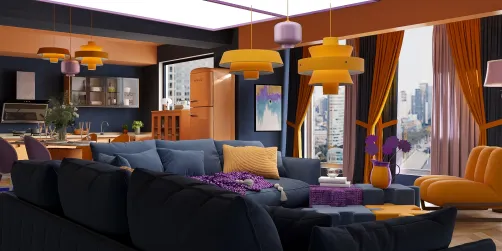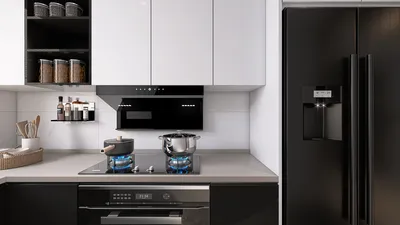
With over a decade of experience in interior design, I have observed significant transformations in ideas for living rooms with dining tables. The latest trends emphasize open layouts and multi-functional areas, particularly in small apartments. I appreciate how compact living spaces compel us to devise innovative solutions, where the most creative designs often emerge. In this article, I'll present 10 of my top inspirations, supported by my own projects and professional insights, including how the Homestyler tool can aid in visualizing these concepts.
Corner Minimalist Dining Setup
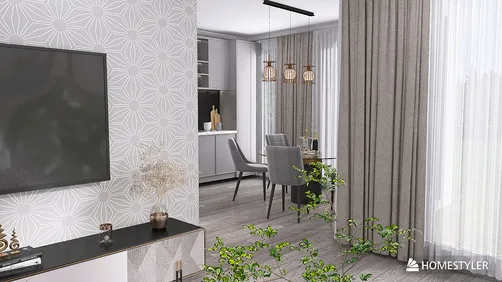
In one project, I designed a 450 sq. ft. apartment featuring a two-seater dining table placed in an unused corner, establishing a clear dining area that maintained an open flow throughout the living space.
Pros: This configuration conserves floor space, promotes visual tranquility, and enhances open-plan designs. A neutral color scheme and clean lines can amplify the sense of space, as highlighted by Architectural Digest.
Cons: The setup might feel cramped for entertaining larger groups and is not ideal for those who enjoy hosting grand dinner parties.
Tip: Opt for armless chairs that can neatly fit under the table to improve the perception of floor space. I successfully applied this minimalist corner dining design in one of my projects.
Glass Partitions Between Spaces
For a client desiring separation without isolation, we incorporated a floor-to-ceiling glass panel between the living and dining zones, effectively preserving natural light flow.
Pros: This approach creates a visual division without obstructing light, while adding architectural flair and a contemporary vibe. Using specific keywords like glass partitions for small living dining space layouts can enhance search relevance.
Cons: Maintaining cleanliness can be challenging due to fingerprints and smudges, and custom options can be pricey.
Advice: Consider using frosted glass to ensure privacy while allowing brightness to shine through.
Extendable Dining Tables
I'm a strong advocate for extendable tables in compact living rooms. In my home, we typically keep it small, expanding only when guests arrive.
Pros: These tables are versatile, accommodating a range of needs while allowing for additional guests without hogging space. An expert tip from Houzz suggests selecting a robust mechanism to ensure longevity.
Cons: They might be cumbersome to maneuver, and storage beneath the table may be limited.
Tip: Keep folding chairs in a nearby closet for unexpected dinner gatherings.
L-Shaped Sofa as a Boundary
In one instance, I arranged an L-shaped sofa to subtly differentiate between dining and lounging areas, without using walls. It's remarkable how a simple reconfiguration can delineate functionality.
Pros: This setup provides separation without additional furniture, increases seating capacity in the living area, and is perfect for socializing in open layouts.
Cons: It may restrict reconfiguration options due to its size compared to conventional sofas.
Tip: Coordinating the upholstery of the sofa with the fabrics of the dining chairs can create a unified look.
Wall Bench Seating
During a small condo project, I designed a built-in bench against one wall, which served as seating for dining and provided storage.
Pros: This setup is space-saving, offers hidden storage options, and allows customization with cushions for added comfort. The long-tail keyword for this can be dining bench with storage for small living rooms.
Cons: The fixed seating could limit flexibility in arrangement, and a custom build might increase the budget.
Case: This solution worked beautifully in an L-shaped layout, freeing up more area for both eating and relaxing.
Round Dining Tables for Enhanced Flow
I find that round tables are perfect for tight spaces as they facilitate smoother movement around them. I once swapped a rectangular table for a round one in a narrow area, significantly improving flow.
Pros: They lack sharp edges; are visually softer; and are ideal for intimate gatherings. This aligns with findings from the National Association of Home Builders on traffic flow efficiency.
Cons: They offer less surface area compared to rectangular tables and may be challenging to find in extendable styles.
Tip: Pair with lightweight chairs to facilitate easy rearrangement of seating.
Floating Shelves for Storage and Style
Incorporating floating shelves behind a dining area not only adds aesthetic appeal but also functional storage. In a recent project, we showcased books and ceramics, adding a personal touch.
Pros: They make effective use of vertical space, create a multifunctional feature, and are simple to update seasonally.
Cons: If not styled with care, they may appear cluttered; maintenance such as dusting will be necessary.
Area Rugs for Space Definition
Rugs are excellent at demarcating areas. In one project, I used similar-patterned rugs under the dining and living zones, achieving unity while subtly distinguishing the two.
Pros: They provide an economical means of defining spaces; they add texture and warmth. Keywords like area rugs for combined living dining rooms can enhance discoverability.
Cons: Regular upkeep is necessary, especially in dining areas, as spills can be problematic.
Wall-Mounted Folding Tables
I designed a wall-mounted folding table for a studio apartment, allowing for full floor space coverage when not in use.
Pros: This is a superb space-saving option that can be easily concealed and is budget-friendly if you choose a DIY approach.
Cons: It has limited capacity, may not be sturdy enough for heavy use, and requires a solid wall for installation.
Advice: Utilize a decorative panel for the underside to ensure it looks stylish even when collapsed.
Warm Wood Accents
I've observed that wood can significantly enhance the coziness of a combined living and dining area. I frequently employ walnut or oak finishes for furniture in these spaces.
Pros: It injects warmth and texture, possesses timeless appeal, and pairs beautifully with numerous interior styles. Key phrases such as wooden dining table in open living room design can be useful.
Cons: It requires maintenance to avoid scratches or stains, and excessive use can darken the environment.
Case: In a snug apartment design, wood details cultivated a welcoming ambiance that beautifully unified the entire room.
Conclusion
Designing within small or combined areas does not stifle creativity; rather, it calls for more intelligent design approaches. Based on my insights and resources like Homestyler, intentional furniture selections and effective spatial zoning can transform a living room with a dining table into a functional and appealing haven. Which of these ideas would you like to implement in your home?
FAQ
1. What is the best arrangement for a living room with a dining table?
Utilize rugs and furniture arrangement to establish distinct zones. L-shaped sofas or partitions may assist in this.
2. Which table shape suits a small living-dining area?
Round tables enhance flow and safety, particularly in tighter layouts.
3. Can I incorporate a sectional in a merged living-dining area?
Certainly. A sectional can function as a natural divider without erecting walls.
4. How can I make my dining zone appear larger?
Mirrors, light shades, and transparent materials like glass tables can contribute to a more spacious ambiance.
5. Are expandable dining tables worthwhile?
Definitely, as pointed out by experts at Houzz; they provide flexibility without compromising everyday space.
6. How can I combine different furniture styles?
Maintain a unifying factor like color or material to ensure various styles seem cohesive.
7. Should my dining chairs match the sofa?
Not necessarily, but linking them through a specific texture or color can create visual harmony.
8. What budget-friendly options exist for a dining area in my living room?
A wall-mounted folding table or a storage-savvy bench seating arrangement can be both economical and efficient.
Looking to transform your space? Homestyler is the ultimate online home design platform. With an easy-to-use design tool, stunning 3D renderings, a wealth of design projects, and helpful DIY video tutorials, you can effortlessly create your dream home. Start designing today!

























![[♥️♥️]](https://hs-designs.homestyler.com/production/design/images/2025-12-21/00ce621d-f39a-433f-b8bf-2f6258068b7a/1766281859081/9484069.jpg?x-oss-process=image/resize,w_502,m_mfit/format,webp)