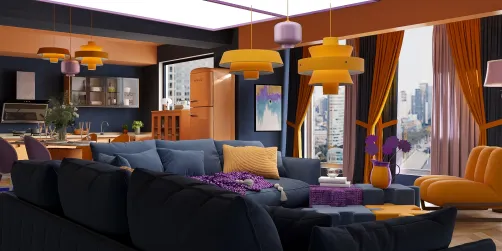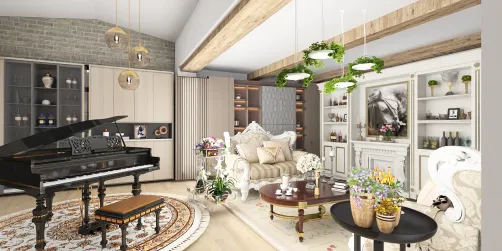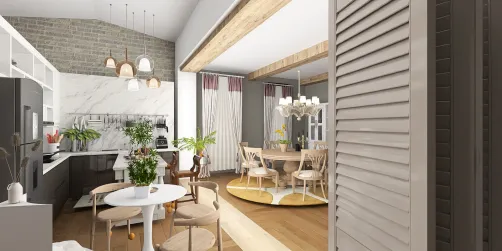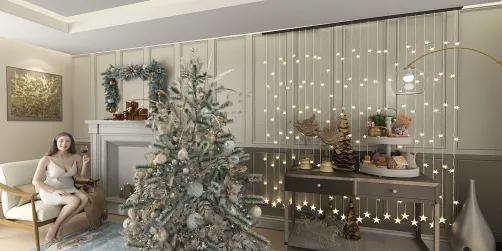
False ceilings have gained immense popularity in contemporary homes, particularly in hallways, as they introduce sophistication, style, and enhanced functionality to the area. In 2019, numerous groundbreaking designs emerged to satisfy diverse tastes and aesthetics. Let’s explore some of the latest trends and concepts for false ceilings that can elevate your hall into a breathtaking visual experience.
1. Sleek Minimalist Designs
Minimalism continues to be a strong influence in interior design. In the context of hallways, this translates to choosing simple, clean lines paired with subtle textures. A flat false ceiling painted in soft hues combined with recessed lighting can establish a tranquil and organized environment.
Key Features:
2. Bold Geometric Patterns
If you're aiming to make a bold statement, geometric patterns present an excellent option. These can be created using drop ceilings that feature a variety of shapes such as squares, rectangles, or even hexagons. Blending materials like wood and gypsum can introduce depth and intrigue to the design, making it a perfect feature for the Homestyler space.
Key Features:
3. Warm Wooden Elements
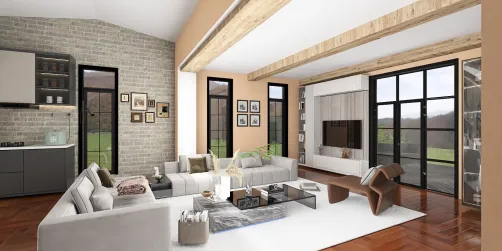
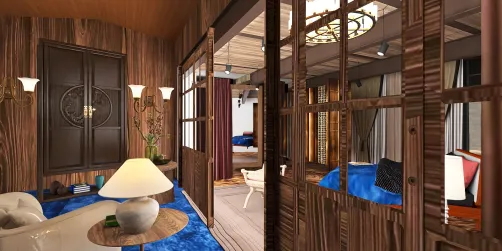
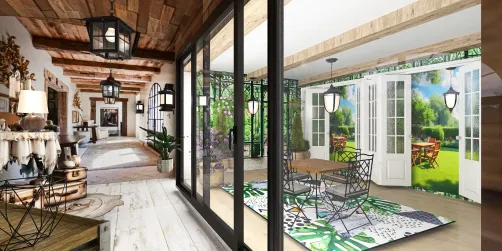
Incorporating wood elements into your false ceiling can infuse warmth and a touch of nature into your hall. Using wooden beams or paneling can help craft either a rustic or modern appearance, depending on the chosen finish and stain.
Key Features:
4. Elegant Curved Ceilings
Curved false ceilings provide a soft, flowing aesthetic that can soften the sharp angles of a room. This design works particularly well in larger halls, exuding a sense of elegance and refinement.
Key Features:
5. Dynamic Multi-level Ceilings
Multi-level false ceilings are ideal for adding depth and dimension to your hall. By incorporating various levels, you can efficiently define spaces within a broad area, creating a more intimate feel.
Key Features:
6. Striking Backlit Ceilings
Backlit ceilings represent a lavish option that can introduce a dramatic touch to your hall. This design incorporates LED lights placed behind the false ceiling to produce a glowing effect, ideal for setting the ambiance during gatherings or parties.
Key Features:
Frequently Asked Questions
Q: What materials are best for false ceilings? A: Gypsum board, wood, and PVC are commonly used because each offers distinct benefits regarding cost, durability, and visual appeal.
Q: How do I select the right design for my hall? A: Assess the size of your hall, the current decor, and the atmosphere you wish to create. Minimalist designs are suitable for smaller spaces, while vibrant patterns can enhance larger areas.
Welcome to the leading Home Design Software, Homestyler!