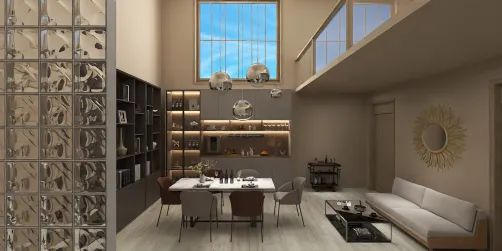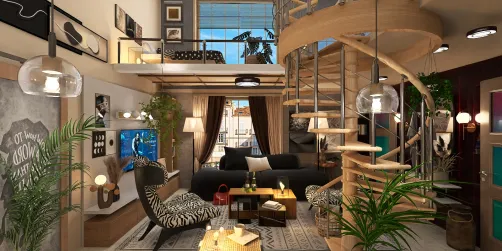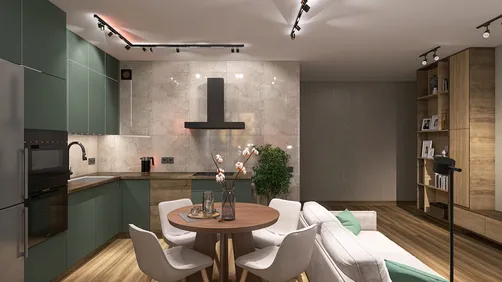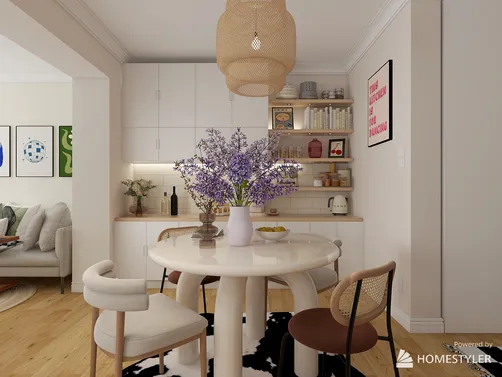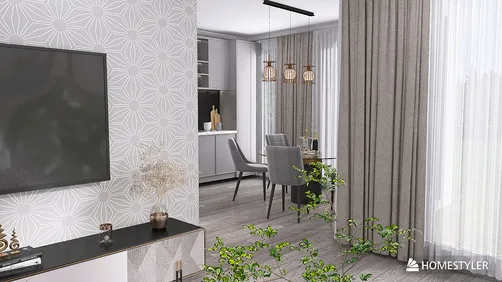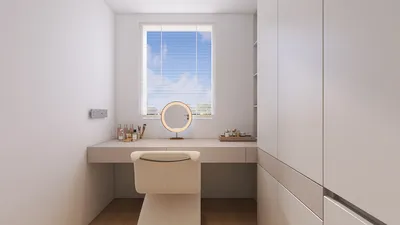
Throughout the last ten years as an interior designer, I have noticed a transformation in living room styling trends that emphasize warmth, texture, and functionality. In compact areas, every inch matters — sometimes a throw blanket serves as both a necessary comfort item and a bold design choice. I believe that minor storage challenges often inspire greater creativity.
In this article, I will present my top 10 favorite storage solutions for living room throw blankets, combining my personal experiences with insights from the industry. Consider it as friendly advice from someone who has undergone numerous living room renovations — from sleek urban lofts to welcoming farmhouse quarters.
1. Woven Baskets Next to the Sofa
My Perspective: I once decorated a small city living area where a large woven basket became a dual-purpose storage solution and a stylish accent, providing a perfect earthy contrast to the sleek floors.
Advantages: Woven baskets are affordable, easy to move, and versatile enough to complement various décor styles. They facilitate swift access to blankets without cluttering your space.
Disadvantages: They may accumulate dust if left uncovered, and oversized baskets can take up valuable floor space in tighter rooms.
Suggestion: Opt for a basket made from natural fiber to soften modern aesthetics — for instance, pairing it with a minimalist living room design can create a harmonious look.
2. Vintage Trunks Functioning as Coffee Tables
My Perspective: A standout project involved a distressed leather trunk that served as both a coffee table and storage for multiple blankets, instantly adding charm and character that my clients adored.
Advantages: Enclosed storage keeps dust at bay, and trunks introduce texture and narrative to the space.
Disadvantages: They can be cumbersome to shift, and handling their lids can be tricky if the table is elaborately styled.
3. Ladder Racks Leaning Against the Wall
My Perspective: Utilizing reclaimed wood ladders adds vertical appeal while elevating throws off the floor, smartly utilizing wall space that might otherwise be ignored.
Advantages: They save space, are visually attractive, and allow for blankets to breathe between uses.
Disadvantages: Not the best option for homes with young children or pets who love to climb — prioritizing safety is key!
4. Built-in Bench Seating with Storage Solutions
My Perspective: In narrow living-dining configurations, I often design benches beneath windows with lift-up compartments for blanket storage.
Advantages: This maximizes functionality, conceals disarray, and keeps throws conveniently near your lounging area.
Disadvantages: Custom carpentry can be costly, although it’s a worthwhile investment.
5. Ottomans with Concealed Storage
My Perspective: Ideal for compact living spaces — I once incorporated a soft-top ottoman with storage into a project that required versatile seating.
Advantages: This multifunctional furniture gives a significant advantage in small living rooms while maintaining an open floor plan.
Disadvantages: The lids may wear out over time, particularly if they are frequently used for sitting.
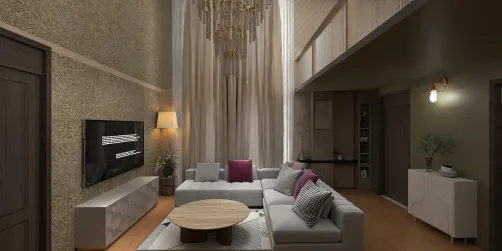
Example: Consider integrating it with an open layout similar to an L-shaped seating to maintain seamless flow.
6. Wall-Mounted Shelving for Folded Throws
My Perspective: Floating shelves can beautifully highlight folded throws along with a few decorative items, creating a casual yet curated aesthetic.
Advantages: This keeps blankets within reach while adding visual depth to your décor.
Disadvantages: Increased dusting is necessary, and fabric colors might fade if exposed to direct sun.
7. Decorative Wooden Crates
My Perspective: Repurposed wooden crates introduce rustic charm and can be neatly stacked or slid underneath console tables.
Advantages: They are cost-effective and can be personalized with paints or stains, and can shift locations easily as needed.
Disadvantages: Unfinished wood may snag delicate fabrics.
8. Sideboard or Console Cabinets
My Perspective: For a more formal living room setup, I often conceal throws in the lower drawers of an elegant sideboard alongside extra cushions.
Advantages: This keeps the area looking tidy by fully closing off clutter and complements other living room storage options.
Disadvantages: Unlike open storage, it lacks quick accessibility to the blankets.
9. Blanket Storage Placed Behind the Sofa
My Perspective: A slim console table situated behind the sofa allows for a sleek basket or bin to fit perfectly.
Advantages: This approach optimizes overlooked areas, keeping blankets handy yet out of sight.
Disadvantages: Options are limited to slim storage solutions that fit snugly in the available space.
Suggestion: Aim to harmonize textures with your decor — consider wood tones that enhance warmth throughout your room, even if it’s not in the kitchen.
10. Hanging Hooks or Peg Rails
My Perspective: I enjoy the relaxed, European cottage style of hanging blankets on hooks near a reading chair.
Advantages: This method saves floor space while doubling as wall art when the blankets showcase appealing patterns or textures.
Disadvantages: Best suited for lighter throws — heavier blankets may droop awkwardly.
Conclusion
Ultimately, having a small living room does not necessitate sacrificing style or warmth. Effective throw blanket storage revolves around intelligent design rather than limitations. As emphasized by Apartment Therapy, incorporating storage into décor gives a space a more intentional and livable appearance. Which of these 10 blanket storage ideas are you excited to implement with tools like Homestyler in your own home?
Frequently Asked Questions
1. What is the optimal storage for throw blankets in compact living areas?
Ottomans with hidden compartments are perfect for snug spaces — combining both seating and storage in one elegant piece.
2. How can I store blankets while avoiding a cluttered look in my living room?
Utilize closed storage styles such as sideboards or trunks to keep blankets concealed and contribute to a seamless design.
3. Can throw blankets be integrated into living room décor?
Absolutely. Layering throws on ladders or hooks, according to Houzz, adds an interesting texture and character to your space.
4. How frequently should I launder stored throw blankets?
Every few weeks with regular use or seasonally for purely decorative pieces — always adhere to the fabric care instructions.
5. Does sunlight affect blankets stored on open shelving?
Yes, direct sunlight can cause fading, so consider employing UV-filtering curtains for added protection.
6. Can I repurpose other furniture items for blanket storage?
Certainly! Many people creatively utilize vintage trunks, dressers, or benches for blanket storage solutions.
7. Are woven baskets a good option in households with pets?
Yes, but it’s advisable to select tightly woven designs to avoid snagging from claws.
8. Is storing blankets behind a sofa advisable?
Absolutely, it’s a smart way to make use of space — a narrow basket or bin fits well, and it’s especially beneficial in multifunctional living arrangements.
Homestyler is your go-to online home design platform! With its user-friendly design tool, stunning 3D renderings, and a wealth of DIY video tutorials, you can easily create, visualize, and perfect your home projects. Transform your space effortlessly and inspire your creativity today!