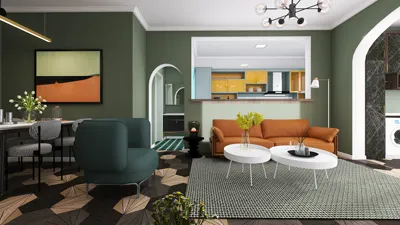


With over ten years as a designer, I have witnessed how the right color choices in living and dining rooms can significantly enhance mood and functionality. Today’s interior design trends increasingly favor soft neutrals and palettes inspired by nature. In my experience, even small spaces can ignite great creativity; I’ve managed to turn compact living-dining areas into inviting, harmonious retreats simply through thoughtful color selections. Below, I present ten color schemes that combine my professional experiences with insights from experts.
1. Soft Beige and Warm White Synergy
My Experience: I once assisted a young couple in downsizing to a 40㎡ apartment. By painting the walls warm white and utilizing soft beige furnishings, we achieved a flow between living and dining areas that made them feel both spacious and cozy.
Advantages: This light color scheme naturally enhances light reflection, a vital factor in small space design. According to Architectural Digest, warm neutrals can create an illusion of increased space.
Disadvantages: Beige might seem dull if it isn’t complemented with textures or accents; you definitely don’t want the room to feel like plain toast without butter.
Tip: Incorporate textured rugs and linen curtains to introduce depth to the space.
2. Sage Green & Matte Black Contrast
My Experience: In my loft, I opted for a sage green accent wall in the dining area, complemented by matte black pendant lights. This creates a chic, organic atmosphere.
Advantages: Sage fosters a serene environment, while the black elements add sharp definition. Color psychology often highlights green's ability to reduce stress.
Disadvantages: Dark accents might overwhelm the space if there isn’t enough natural light.
For further inspiration, explore how sage tones enhance an open-plan design in one of my latest projects.
3. Warm Terracotta & Cream Combination
My Experience: In a Mediterranean-style home for a client, I created a terracotta feature wall in the dining area and a cream sofa in the living room, giving the space a warm, sunlit feel throughout the year.
Advantages: Terracotta infuses earthy warmth, while cream keeps the environment airy—ideal for adding character to smaller shared spaces.
Disadvantages: Overwhelming amounts of terracotta can darken a room; thus, balance is essential.
4. Light Gray & Pastel Yellow Accent
My Experience: This duo works wonderfully for modern minimalists seeking a vibrant twist. For a Scandinavian-inspired client, I used pastel yellow chairs against a light gray background.
Advantages: Gray serves as a stable base while yellow introduces a cheerful energy. This combination pairs beautifully with natural wood elements.
Disadvantages: Yellow hues can quickly go out of style as trends change.
5. Navy Blue & Brass Accents
My Experience: A single wall painted navy in the living area, matched with brass fixtures above the dining table, creates an elevated atmosphere instantly.
Advantages: Navy adds an air of sophistication, while brass beautifully reflects warm light. According to Elle Decor, darker shades can bring elegance to adjoining spaces.
Disadvantages: A deep navy could make a smaller room feel even narrower.
Cost Tip: Achieving brass accents can be budget-friendly with some spray-paint DIY methods.
6. Warm Taupe & Olive Green
My Experience: Mixing taupe walls with olive green dining chairs creates a natural, grounded feel.
Advantages: Both colors are muted, allowing for a seamless transition in open-concept layouts.
Disadvantages: Without varying light sources, the combination might appear flat.
Check out a project where olive hues soften sleek modern designs for a similar approach.
7. White & Natural Wood Tones
My Experience: This timeless combination works brilliantly in small apartments. Using a white backdrop with oak furnishings gives the room a clean and classic touch.
Advantages: It enhances natural lighting, which is essential for Scandinavian-style interiors.
Disadvantages: The look may feel too stark without the warmth of textiles.
8. Charcoal Gray & Blush Pink Highlights
My Experience: I introduced blush pink cushions and wall art into a charcoal gray setting, resulting in an unexpectedly elegant contrast.
Advantages: Blush tones soften gray, establishing a balanced aesthetic that is easily adaptable to different styles.
Disadvantages: Not everyone may have an affinity for pink.
Tip: Utilize blush in removable decor items for easier changes down the line.
9. Deep Forest Green & Gold Accents
My Experience: I created a forest green accent wall paired with gold-framed art above the dining space, which brought richness and coziness together.
Advantages: Forest green adds depth, while gold infuses a touch of luxury. This combination is becoming popular in upscale apartment staging.
Disadvantages: It requires ample artificial lighting to maintain vibrancy.
See a design where gold details connect kitchen and dining elements in flawless harmony.
10. Monochromatic Off-White Layers
My Experience: I styled a 28㎡ living-dining space using various off-white shades in paint, fabric, and ceramics to create a tranquil and expansive feel.
Advantages: This minimalist approach is calming and ideal for tiny homes. It's also easy to refresh with seasonal updates.
Disadvantages: There is a risk of the space feeling overly clinical without the contrast of varied textures.
Conclusion
Ultimately, living-dining areas don’t have to be perceived as constraints. Instead, they represent opportunities to design with intelligence. Selecting the right color palette can define different zones and moods without erecting physical barriers. As noted in Benjamin Moore’s design guide, strategic color placement can change spatial perception more effectively than structural modifications ever could. Which color combination for living and dining areas are you most eager to explore?
FAQ
1. What to use to make a small living and dining room appear larger?
Light neutrals, such as warm whites and beiges, are effective at reflecting light and making spaces feel larger, as noted by Architectural Digest.
2. Are darker colors a good fit for compact living and dining areas?
Yes, especially when they are used on accent walls or combined with lighter elements for balance.
3. How to select a cohesive palette for linked living and dining spaces?
Stick with two to three primary colors and apply them with varying textures and shades across both areas for cohesion.
4. Is it feasible to mix warm and cool tones in a living-dining environment?
Certainly — a thoughtful combination of warm beige and cool gray can achieve an appealing balance.
5. Do bold colors require more maintenance?
Yes, darker shades tend to show dust and fingerprints more readily; washable paint finishes can help reduce this issue.
6. Which color idea for living and dining rooms is the most enduring?
White and natural wood tones are timeless and versatile across various styles.
7. When should I consider repainting my living-dining area?
Generally, every five to seven years, or sooner if wear and tear becomes evident.
8. Where can I find examples of olive green and taupe combinations?
Check out my portfolio for instances where olive elements infuse warmth into neutral spaces.
Homestyler is your go-to online home design platform, perfect for bringing your visions to life. With its intuitive design tool, stunning 3D renderings, inspiring design projects, and helpful DIY video tutorials, creating your dream space has never been easier or more enjoyable!
Design Now for FREE
































