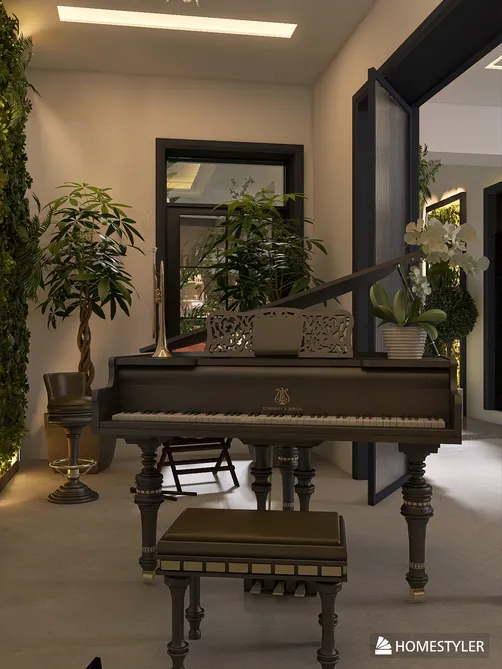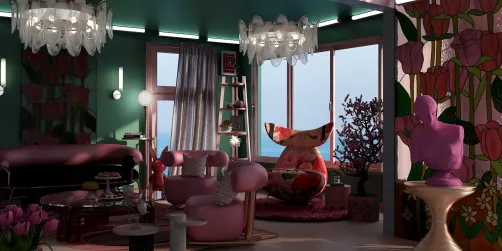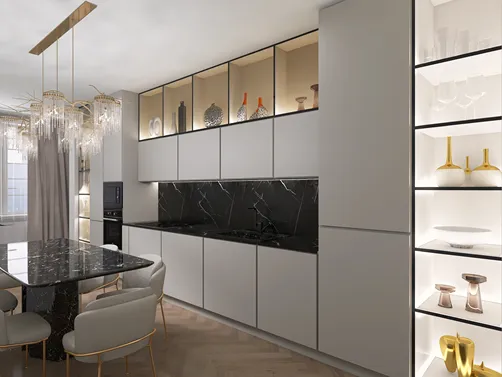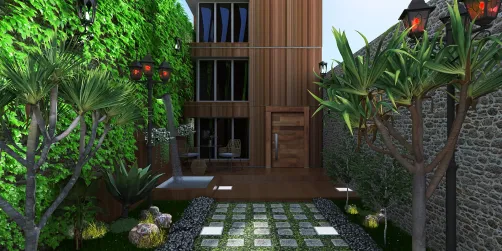
I once worked with a client who was adamantly opposed to tiles due to a traumatic childhood experience with cracked grout and never-ending scrubbing in the bathroom. With a chuckle, I opened my sketchbook and began to envision layouts that would be both waterproof and low-maintenance while offering a luxurious feel. Interestingly, small spaces can ignite extraordinary creativity, and that project became one of my favorites.
1. Acrylic or Solid Surface Panels
Imagine seamless, shiny walls that emulate stone or lacquer but without the issues of grout lines. I’ve employed acrylic panels in rental bathrooms where durability and ease of cleaning were essential—water simply beads off, and there are fewer hiding spots for mold. Although the wrong finish can make it feel somewhat plastic, professional sealing of seams is critical. Generally, installation is quicker than tiling and can be cost-effective if you opt for standard sizes, especially when utilizing tools like Homestyler for layout planning.
2. Waterproof Paints & Limewash Finishes
For clients looking for a softer, artistic look, moisture-resistant paints or contemporary limewash can be a game changer. Epoxy and marine-grade paints perform exceptionally well in splash zones, while limewash provides a textured, spa-like ambiance that ages beautifully. Proper preparation is critical: inadequate priming and ventilation can shorten the lifespan of the finish, so I always allocate time for surface preparation and recommend using a quality dehumidifier in compact bathrooms.
save pin
3. High-Performance Wallpaper or Vinyl
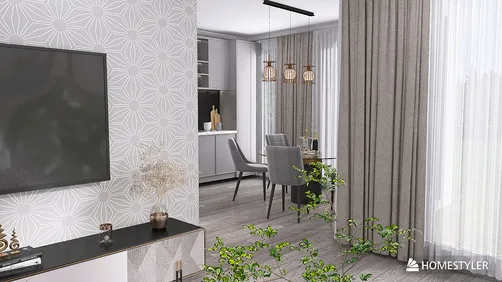
The evolution of peel-and-stick washable wallpaper is impressive—now it features intricate patterns and lifelike textures that can make a small bathroom feel extraordinary. I applied it to an accent wall in a powder room, and the design infused a custom feel while staying within budget. While it's very DIY-friendly, poor installation around wet areas or behind sinks can lead to peeling, so I typically keep wallpaper away from direct water flow unless it’s specifically designed to be waterproof. For additional inspiration from my renovation projects, you can explore a bathroom case where vinyl effectively addressed a complicated pattern request.
save pin
4. Engineered Wood & Wood-Look Materials
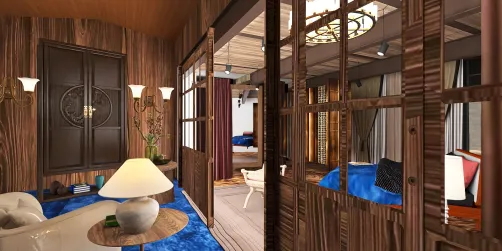
Incorporating wood in bathrooms—when executed properly—adds warmth that tiles seldom match. I prefer engineered planks or thermally modified wood finished to be waterproof for vanity walls or upper areas, combined with tougher materials in splash zones. The key downside is the requirement for regular sealing and avoidance of excessive water exposure, but visually it’s worth the extra upkeep in master baths and powder rooms.
save pin
5. Microcement, Venetian Plaster, or Polymer Plasters
Seamless mineral finishes such as microcement or Venetian plaster offer a sleek, modern appearance—no grout or seams, just one smooth surface. They exude elegance and work wonderfully for curbless showers and wet rooms. Skilled professionals are essential for application, and while costs can exceed simple paint, you achieve a high-end finish that is easy to maintain and ideal for a minimalist design aesthetic. If you're looking to quickly visualize concepts, consider using AI tools like Homestyler to test colors and textures beforehand.
In conclusion, selecting non-tile options for bathroom walls is a matter of finding the right balance between moisture management, budget, and the ambiance you wish to create. I have implemented all of the alternatives discussed in real homes—some endeavors went smoothly, while others required adjustments, including one particularly memorable lesson about not trusting a cabinet installer who insisted on nailing into damp walls. Feel free to explore within reasonable boundaries, and don’t hesitate to combine materials for both practicality and style.
save pin
FAQ
Q1: Are non-tile walls waterproof enough for showers?
Many alternatives, such as acrylic panels, microcement, and properly sealed paints, can indeed be waterproof when installed appropriately. For shower areas, select materials specifically rated for wet use and ensure all joints are sealed with professional precision.
Q2: What is the most budget-friendly non-tile option?
High-quality waterproof paint or peel-and-stick vinyl are typically the most economical choices. They provide significant visual impact without incurring the labor costs and material expenses associated with tiles or full microcement installations.
Q3: How do I prevent mold with non-tile walls?
Good ventilation, timely drying, and choosing mold-resistant finishes are crucial. According to the U.S. Environmental Protection Agency (EPA), effectively controlling moisture is the key to preventing indoor mold growth (https://www.epa.gov/mold).
Q4: Can I mix wood and plaster safely in one bathroom?
Absolutely—many of my projects successfully integrate wood for upper walls or vanity spaces alongside durable plaster or panels in splash areas. Just ensure that the wood is adequately sealed and kept away from direct water exposure.
Q5: Do microcement and Venetian plaster require special maintenance?
While these materials are low-maintenance, they aren’t maintenance-free; re-waxing or re-sealing every few years will keep them looking pristine. Avoid harsh abrasives and always test cleaners on a small section first.
Q6: Is peel-and-stick wallpaper reliable in humid climates?
High-performance, waterproof vinyl wallpapers are indeed designed to withstand humidity, but proper installation and sealing of edges are vital. For particularly humid areas like showers, I suggest opting for more robust options such as panels or microcement.
Q7: How much should I budget for a tile-free bathroom refresh?
Costs can vary significantly: a simple paint refresh may cost a few hundred dollars, while peel-and-stick options are mid-range, and microcement or premium panels can escalate into the thousands, depending on size and labor. It’s wise to get multiple quotes and request to see completed samples.
Q8: Where can I see designs before I commit?
I frequently create rapid mood boards and 3D sketches for visualizing finishes; online rendering tools and concept galleries are excellent resources as well. If you’re looking for professional mock-ups, numerous designers and services provide renderings so you can experiment with different looks before making material purchases.
save pin
Homestyler is your go-to online home design platform, perfect for transforming your vision into reality. With its user-friendly design tool, stunning 3D renderings, and a wealth of DIY video tutorials, creating your dream space has never been easier or more enjoyable!