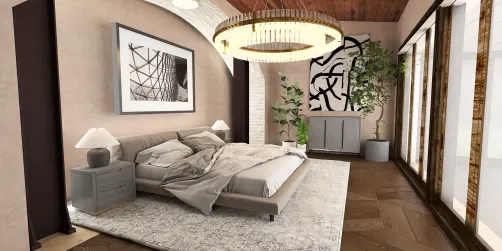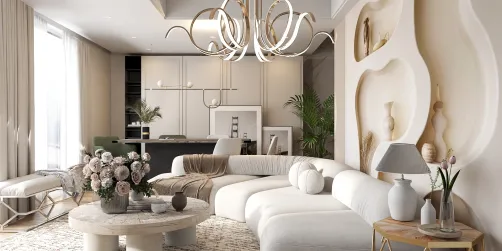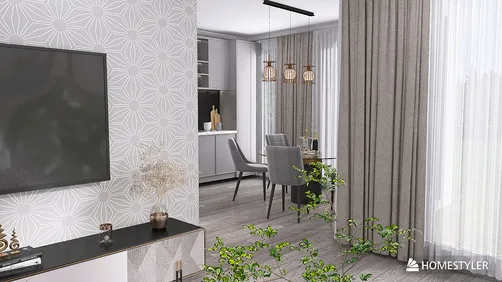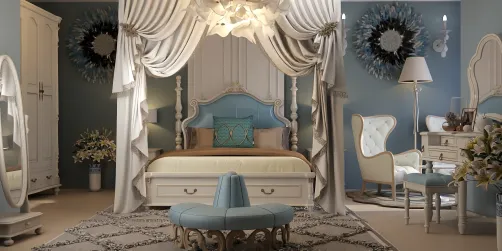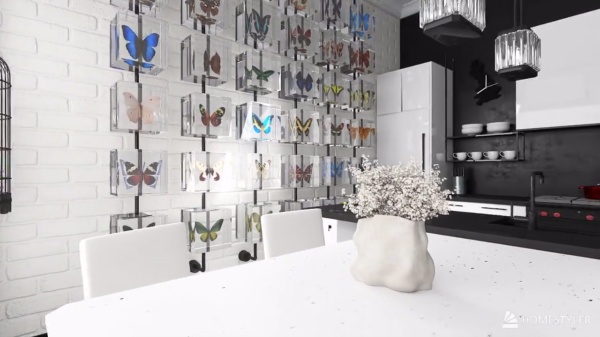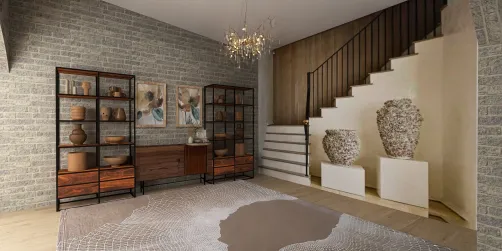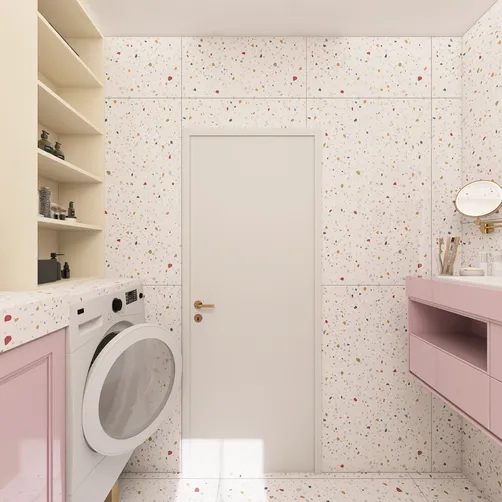
When managed thoughtfully, black tiles can serve as a grounding element in a space, bringing a calm and authoritative essence. I focus on a harmonious blend of light, texture, and proportions to maintain a sophisticated atmosphere that avoids feeling overwhelming. This involves carefully controlling reflectance, optimizing lighting, and combining dark finishes with warmer materials, ensuring the room feels intentional and inviting.
Lighting plays a crucial role in determining how black surfaces are perceived. According to WELL v2, ambient lighting should ideally be between 215–300 lux in general areas, while task lighting can reach 300–500 lux, enhancing the dimensional quality of black tiles (source: WELL v2 Light concept). Research from Steelcase demonstrates a strong link between lighting quality and visual comfort, which positively affects productivity and wellbeing in work environments, a principle that seamlessly transitions into residential settings where focus and relaxation coexist (source: Steelcase Research). I use black finishes as an opportunity to adjust beam spreads and dimming to ensure these surfaces truly come to life.
The psychology of color is essential to consider: as noted by Verywell Mind, black symbolizes sophistication, power, and depth, yet it can become overpowering without careful balance. In projects featuring expansive black tiles, such as bathrooms or entries, I incorporate tactile contrasts (like oak, linen, and brushed brass) and controlled highlights to keep the design airy. The aim is clarity rather than drama for its own sake.
Choosing the Right Black Tile
The finish of the tile profoundly influences the ambiance. Matte black tiles minimize glare and resist smudging, making them suitable for large areas on floors or shower walls. Satin or honed finishes offer a soft luster without appearing excessively shiny. Polished black tiles add a touch of elegance but require careful glare management, making them more suitable for feature walls, fireplace surrounds, or smaller bathrooms rather than expansive living spaces.
Size and proportion are critical aspects. Large-format tiles (24"x24" or 24"x48") lessen grout lines for a streamlined appearance, while smaller mosaics enhance texture and traction. In compact rooms, I often opt for mid-sized rectangles with closely matching grout lines to prevent visual fragmentation. Conversely, large spaces benefit from oversized tiles that elevate architectural serenity.
Light Strategy: Elevating Black Surfaces to Luxurious Heights
I begin with layered lighting techniques and manage glare effectively. The IES standards suggest a balance of vertical and horizontal light for comfort; hence, I employ wall washing and indirect ceiling lights to reveal the richness of the tiles, integrating task lighting for necessary functions. For polished tiles, I steer clear of direct lighting sources that create bright spots, favoring diffuse fixtures or linear grazers to showcase texture without hot spots.
The color temperature of light impacts the mood of the environment. Using warm-white (2700–3000K) light softens black tiles and complements wood and brass; neutral-white (3500–4000K) provides a fresh, gallery-like quality, ideal alongside concrete and steel. I ensure a CRI of 90 or higher to accurately reflect subtle variations between black finishes, such as graphite, anthracite, and ink-black, allowing them to stand out distinctly.
Balancing Black with Other Materials and Colors
Black tiles are at their best when paired with materials that contribute warmth and visual texture. I often include oiled oak, travertine, boucle fabrics, and patinated metals to soften the visual weight. In wet areas, I contrast black porcelain with brushed nickel or aged brass to prevent a sterile feel. Soft neutrals—such as bone, sand, and warm gray—anchor the palette, while a single bold accent (like rust, forest green, or ultramarine) can give a room a distinct identity without overwhelming the black.
The choice of grout color can significantly influence visual impact. Charcoal grout minimizes distractions, mid-gray grout delineates for graphic clarity, while white grout on black tiles creates a striking contrast, ideal for areas where maintenance is manageable.
Ergonomics, Flow, and Intentional Spatial Design
Considering human factors is crucial when working with visually dominant finishes. I ensure clear circulation paths, intuitive sightlines, and designated task areas illuminated by brighter vertical lighting. In kitchens, black tile flooring is most effective when paired with under-cabinet task lights and surfaces that are slip-resistant (either matte or textured). In bathrooms, I align the floor’s slip resistance with household needs and incorporate gentle night lighting for safe navigation.
During layout planning—especially for open living spaces or lengthy entry corridors—I simulate views to see how black surfaces interact, reflect, or align with focal points. Utilizing a layout simulation tool allows me to experiment with furniture arrangements, circulation widths, and visual balance before finalizing the design.
room layout tool
Acoustic Comfort and Black Tiles
Dense materials can increase sound reflections. In living areas with black tile flooring, I mitigate echoes using wool area rugs, upholstered seating, and acoustic wall treatments. The objective is to uphold the visual neatness of black while ensuring the room remains sonically pleasant.
Where Black Tiles Are Most Effective
Entryways benefit from black tiles as they can withstand heavy foot traffic and create a bold initial impression. I often pair them with a warm wooden console and a soft runner to help manage acoustics.
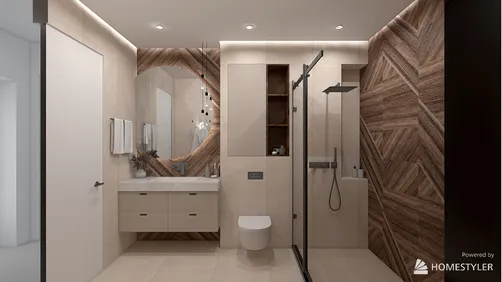
Bathrooms: Black tiles beautifully frame mirrors and elevate simple fixtures into focal points. Highlight the area with wall washing around the vanity and implement a warm dimmable layer for evening use.
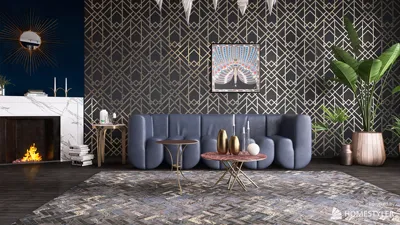
Fireplace surrounds: Polished or honed black tiles offer an element of refined drama. I prefer to keep adjacent surfaces low-sheen to prevent visual clutter.
Dining spaces: Matte black flooring combined with pendant lighting brings focus to the dining table, creating an intimate setting without making the room feel smaller.
Maintenance and Longevity
For high-traffic areas, select porcelain or sintered stone tiles; they are resistant to staining and wear. If you choose polished finishes, expect to perform regular buffing and stringent cleaning to minimize the visibility of footprints. Sealed natural stone in black can create a compelling aesthetic, but I only recommend it where clients are prepared for its required upkeep and embrace the patina as part of the design narrative.
Effective Design Strategies to Prevent a Heavy Atmosphere
Divide large areas with light reveals, vertical joints, or a contrasting panel. Implement perimeter lighting to uplift heavier surfaces and keep a proportion of the ceiling lighter to maintain visual height. Mirrors can enhance spatial volume; however, I position them thoughtfully to avoid duplicating dark areas in a way that feels oppressive.
Emerging Trends for 2024–2025
Soft-matte black tiles featuring micro-texture are gaining popularity over glossy statement walls. Warm metals and ecru fabrics contribute to a more human-centric palette. In kitchens, ribbed black tile backsplashes alongside pale oak and integrated linear lighting strike a balance between contemporary and inviting. In bathroom design, oversized black floor tiles with minimal grout are establishing the new standard for understated luxury.
Frequently Asked Questions
Not necessarily. With sufficient vertical lighting and lighter surrounding surfaces, black tiles can ground a space without making it feel constricted. Achieving balanced brightness and reducing visual clutter helps maintain a composed atmosphere rather than a cramped one.
Incorporate ambient (around 215–300 lux), task (300–500 lux), and accent lighting. Favor diffuse sources for polished tiles and incorporate wall washing to showcase texture. Aim for a CRI of 90 or higher for precise color rendering.
Matte finishes conceal marks and lessen glare, making them ideal for flooring. Honed finishes provide a gentle sheen with straightforward maintenance. Polished styles work well for feature walls or surrounds but require tight glare control and care.
Charcoal minimizes the appearance of grout lines; mid-gray provides a graphical outline, while white creates a stark contrast that demands more upkeep. Match the grout choice to the intended visual effect and the level of maintenance you're willing to manage.
Absolutely, provided that slip resistance and maintenance are properly addressed. Opt for textured or matte tiles for flooring, ensure adequate task lighting in areas like sinks, and choose sealed or porcelain options for durability.
Keep ceilings bright, add perimeter and vertical lighting, include warm materials, and avoid excessively glossy adjacent finishes. Strategically positioned mirrors can help widen the perceived space.
Hard surfaces tend to amplify sound reflections. Balance this with area rugs, cushioned furniture, curtains, or acoustic panels to ensure a comfortable auditory experience.
Oversized tiles create a unifying effect in larger spaces, while mid-sized formats with tight grout lines help maintain proportion in smaller areas without feeling overwhelming.
Utilize a digital planning tool to assess circulation paths, seating arrangements, and focal alignments. Simulating viewpoints helps prevent heavy visual dead-ends and guarantees functional flow.
Warm woods, travertine, linen, boucle, and aged metal finishes enhance tactile richness while softening the overall visual weight.
Absolutely. Light temperatures of 2700–3000K offer warmth and a homey feel, while 3500–4000K deliver a modern, crisp tone. Choose based on the materials and ambiance you wish to create.
Porcelain tiles are durable and often incorporate recycled materials; aim for responsibly sourced woods and low-VOC sealants. Selecting long-lasting materials minimizes lifecycle impact, particularly in high-wear zones.

Homestyler is your go-to online home design platform, perfect for bringing your creative visions to life. With its user-friendly design tool, stunning 3D renderings, and an array of inspiring design projects and video tutorials, transforming your space has never been easier or more enjoyable!