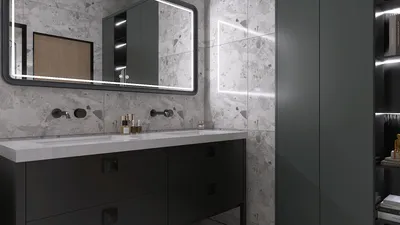



Small table lamps do much more than simply illuminate; they create ambiance, facilitate movement, and establish the visual flow of a room. I prefer using compact designs for bedside tables, console surfaces, and reading nooks where focused lighting helps foster relaxation and supports small activities, avoiding an overwhelming brightness in the space. It’s essential to approach lighting thoughtfully: the WELL v2 guidelines suggest minimizing exposure to harsh, cool light after dark to protect sleep patterns and prioritize soft, warm lighting for calming atmospheres. In addition, research from Steelcase highlights the connection between well-lit spaces and enhanced wellbeing, underscoring the importance of soft, targeted lighting at day’s end. Furthermore, incorporating tools like Homestyler can enhance your room's lighting setup.
When selecting lighting, the quality of illumination is paramount. According to the Illuminating Engineering Society, a range of 100 to 300 lux is ideal for ambient tasks in home settings, with task-specific areas reaching 300 to 500 lux. For bedside lamps, I aim for a brightness of about 50 to 150 lux to prevent glare, utilizing shielding and matte diffusers for comfort. Additionally, the color temperature is crucial; research from Verywell Mind supports that warmer tones can foster relaxation, with lamps emitting light in the 2,200 to 2,700K range creating a welcoming evening environment. The WELL v2 standards also provide guidance on achieving beneficial lighting for health, and IES publishes best practices for residential lighting designs.
Design Intent: Serene, Functional, and Attractive
Each small lamp should fulfill a specific purpose—whether for reading quietly, serving as a gentle guiding light, or providing ambient glow. I consider the scale of the space initially: a lamp that is one-third to half the height of surrounding furniture (such as a nightstand or accent table) maintains a visually appealing balance. When positioning lamps alongside artwork or mirrors, I ensure the lamp's center aligns with the lower third of the artwork to maintain visual harmony.
Lighting Environment: Brightness, Color Temperature, and Glare Management
For relaxation purposes, I seek a color temperature between 2,200 to 2,700K and a high Color Rendering Index (CRI) of 90 or above to accurately render colors on materials like books and textiles. I utilize a layered lighting strategy, with a low setting around 50 lux for nighttime navigation, a medium setting of 100 to 150 lux ideal for journaling or light reading, and a brighter option nearing 250 lux for more demanding tasks. To prevent glare, I opt for lamps with opal glass or linen shades and position the light source slightly below eye level when seated, keeping the source out of direct sight.
Considerations of Ergonomics and Human Interaction
The ergonomics of lamp positioning are subtle yet significant: switches must be easily accessible without reaching too far, ideally located within 20 to 40 cm from a relaxed seating position. For lamps used frequently at night, tactile switches or dimmers with clear feedback greatly enhance usability. In situations where lamps are placed near the bed, I position the shade's lower edge at about shoulder height when seated to minimize direct glare while ensuring even lighting of reading materials.
Material Choice and Sustainability Practices
The materials used greatly influence light diffusion and overall ambiance. Shades made from linen or parchment cast a warm light, while frosted borosilicate glass provides a consistent light distribution and light-toned wood bases contribute additional visual warmth. I prioritize replaceable LED bulbs (5 to 7W warm white) over non-serviceable fixtures for easier maintenance and less waste. Sturdy metal bases—like brass, bronze, or powder-coated steel—offer durability and classic style, and I strive to use FSC-certified wood and low-VOC finishes to ensure better air quality during the evening.
Understanding Color Psychology and Integrating Palettes
Warm lighting enhances earthy color schemes—like terracotta, camel, and sage—as well as soft neutrals such as mushroom and oatmeal. In cooler color palettes (like charcoal, slate, or deep navy), warm lamp light introduces a pleasant contrast, adding depth without harshness. When selecting a statement lamp, I either coordinate its finish with subtle accents in the room (such as brass elements) or choose a contrasting matte black to anchor the arrangement effectively—using Homestyler can help visualize this placement.
Acoustic Comfort and Evening Habits
Compact lamps have a subtle influence on acoustic ambiance: soft materials and fabric cords can reduce echoes. Dimmable lighting fosters quiet activities—like journaling or relaxation exercises—encouraging less screen time before bed. I ensure that light is focused yet gentle, combining directional illumination with surrounding darkness to signal to the body that it's time to unwind.
Strategic Placement, Proportion, and Arrangement
Proper placement is key to effective lighting. On nightstands, I keep a clear space of 15 to 20 cm for items like books and glasses, positioning the lamp towards the back corner to enhance depth. For console tables, symmetrical pairs of lamps can frame artworks, while an offset single lamp can complement a sculptural piece. In narrow spaces, compact lamps act as visual anchors that facilitate movement. To experiment with lamp arrangements relative to furnishings and pathways, utilizing a room layout tool like Homestyler ensures accurate planning of reach distances and sightlines.
Safety Considerations, Wiring, and Controls
For nighttime use, non-glossy finishes are preferred to minimize reflections. I run cords along the back edge and secure them with discreet clips. Smart plugs or low-profile dimmers allow for gradual light reductions; I like to set a timer for 20 to 30 minutes as part of my winding-down process. If pets or small children are present, opting for weighted bases and shatterproof diffusers is a beneficial upgrade.
Trends for 2024–2025
Textured linen, opaline glass, and patinated metals are anticipated to remain popular in compact lamp designs. Soft shapes—such as domes and low-profile cylinders—work harmoniously within layered neutral interiors. Warm-dim LEDs, which adjust color temperature as their brightness decreases, are gaining popularity for smoother evening transitions.
Guidelines for Selecting the Ideal Small Table Lamp
• Size and scale: 25 to 45 cm in height generally suits nightstands and end tables.
• Lighting quality: Aim for 2,200 to 2,700K, with a CRI of 90+, and ensure dimmability.
• Shade type: Opt for opal glass or woven fabric for even light diffusion.
• Stability of the base: Choose a weighted design with a compact footprint.
• Switch usability: Ensure switches are easy to reach and intuitive, offering tactile feedback.
• Maintenance: Look for lamps with replaceable LED bulbs and easy-to-access interiors.
• Cohesion in style: Select finishes that complement existing hardware or provide stylish contrast.
Styling Suggestions for Nocturnal Vignettes
Position your lamp alongside a neat stack of books and a small tray to create a deliberate aesthetic. Keeping the lamp slightly off-center softens visual lines, while incorporating textures—like ceramic or wood—adds warmth. If the lamp features ridges or pleats, consider mirroring this design in nearby textiles for a cohesive look.
Frequently Asked Questions
Maintain the illumination within 50 to 150 lux at the immediate reading area while utilizing dimming for nighttime activities. This ensures visibility without stimulating daytime alertness.
A warmer light in the range of 2,200 to 2,700K promotes a tranquil setting that aligns well with evening routines as opposed to cooler white light.
Certainly. A CRI of over 90 guarantees that both textiles and skin tones appear true to life, making it particularly advantageous for reading or engaging in evening skincare routines.
Utilize an opal or fabric lampshade, position the fixture out of direct sight, and keep it slightly behind eye-level when seated. Matte finishes help in minimizing reflections.
Definitely. Timers and gradual dimming foster a consistent winding-down ritual, contributing to a restful environment.
Lamps measuring between 25 to 35 cm in height with compact bases typically fit comfortably, allowing space for essentials like books and glasses.
It can tie the decor together nicely. For a contrasting approach, choose a neutral matte finish to ground the look without creating visual clutter.
Yes, for versatility and longevity, consider using lamps with replaceable LEDs to adjust color temperature and output while simplifying upkeep.
By keeping light levels lower and color temperatures warmer, lamps can help reduce circadian disruption and support a smoother transition to sleep.
Absolutely. Ensure the lamp is situated near pathways while maintaining low brightness to promote safe navigation without disturbing others.
Displace the lamp towards the rear corner while balancing with art or a decorative sculpture, and remember to keep a practical area clear for necessary items.
Route cords along the rear, secure them with clips, and opt for fabric-wrapped cords that seamlessly blend with the overall color scheme.
Homestyler's roots trace back to Autodesk, the global leader in design and engineering software. That heritage lives on in every feature we build. Today, with a community of more than 20+ million registered users (platform data, 2026) worldwide, Homestyler continues to make professional-quality interior design accessible to everyone — from first-time decorators to seasoned architects.

JONATHAN Y JYL3040A Sophie 26" Resin LED Table

Minimalist Rustic Ceramic Fabric Table Lamp 3D Model

Modern Brass Glass Sputnik Chandelier 3D Model
Homestyler is an outstanding online home design platform perfect for anyone looking to revamp their space. With its user-friendly design tool, stunning 3D renderings, and a wealth of DIY video tutorials, you can effortlessly create and visualize your dream home—no experience needed!
Diseño ahora GRATIS


















![Design [1]](https://hs-designs.homestyler.com/production/design/images/87c3311f-b762-48e5-aa6c-2a61ff42aaa8/1731347951087/7837764.jpg?x-oss-process=image/resize,w_502,m_mfit/format,webp)


