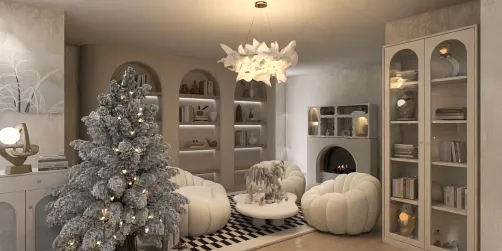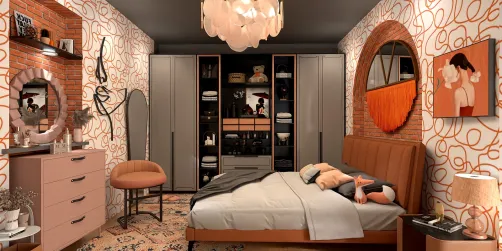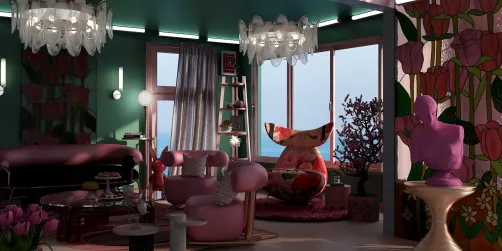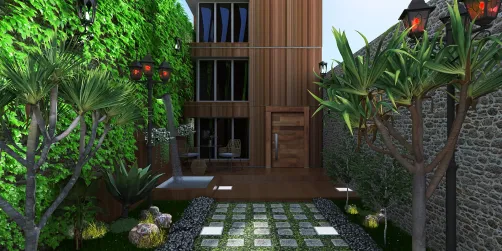
Art has long served as a powerful medium for conveying emotions and concepts through visual elements. A particularly captivating part of artistic expression lies in the relationship between light and shadow, which helps establish a distinctive atmosphere and emotional tone.
Lumens and shadows are critical components that creators employ to infuse depth, contrast, and drama into their pieces. Lumens, which measure the flow of light, can be adjusted to produce various tones and highlights. Conversely, shadows arise from the obstruction or absorption of light, serving to enhance contrast and dimensionality.
Understanding Lumens in Artistic Expression
For centuries, artists have harnessed lumens to evoke mood and ambiance within their creations. Through the manipulation of light and shadow, they achieve a spectrum of tonal qualities, ranging from vibrant and luminescent to dark and mysterious. A prime example of this practice is the chiaroscuro technique, which gained prominence during the Renaissance era.
Chiaroscuro focuses on employing stark contrasts between light and dark elements to deliver a dramatic impact. By using a solitary light source, artists can create a vivid interaction between lumens and shadows, lending vitality to their paintings and drawings that captivates the viewer.
The Significance of Shadows in Artistic Works
Shadows are as crucial to the artistic process as lumens. They can add depth, contrast, and emotional resonance, influencing how viewers perceive a piece. For instance, a sinister, dark shadow may evoke feelings of anxiety or ominousness, whereas a gentle, delicate shadow can instill peace and serenity.
Artists employ various strategies to craft shadows within their artworks. Techniques such as cross-hatching, stippling, or shading contribute to the illusion of depth and dimensional contrast. Additionally, the choice of lighting—whether a direct light source or diffused illumination—can yield diverse effects.
The Synergy of Lumens and Shadows in Artwork
The collaboration of lumens and shadows creates a vibrant dynamic in art that captivates spectators. By balancing light and dark to foster depth and contrast, artists can evoke a sense of drama and tension, rendering a work artistically captivating.
Take, for instance, a portrait where lumens are utilized to accentuate facial features while shadows contribute to depth. This technique can generate an impressive sense of realism, making the artwork nearly lifelike, which can be explored extensively using design tools such as Homestyler.
Final Thoughts
The interaction between lumens and shadows constitutes a vital component of visual art. By skillfully weaving these elements together to forge depth, contrast, and emotion, artists can create works that resonate deeply with viewers. Whether painting, drawing, or sculpting, the thoughtful application of lumens and shadows transforms a simple piece into a stunning masterpiece.