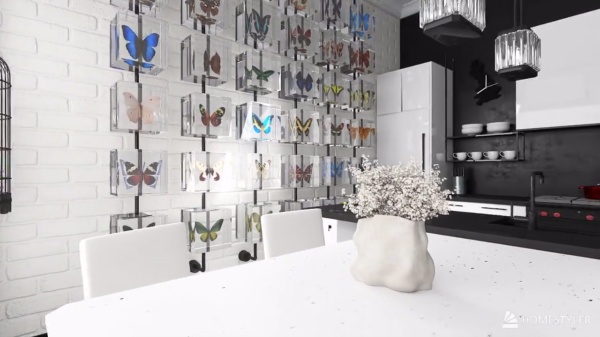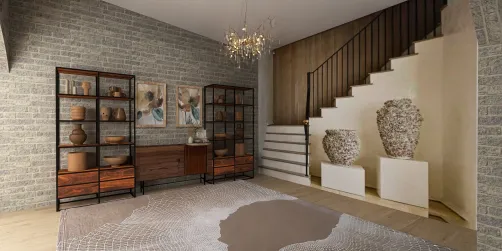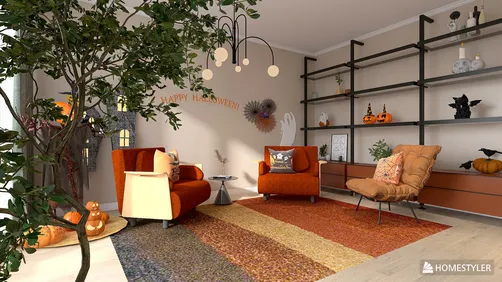
3D rendered visuals are images produced using advanced computer graphics applications, where items are designed within a three-dimensional framework and then rendered into realistic representations. These visuals have become increasingly popular in multiple sectors, such as architecture, video game development, product design, and cinematic visual effects. The rendering methodology transforms a 3D object into a 2D depiction by mimicking lighting, textures, and perspectives, culminating in a striking and lifelike representation of the chosen subject or scenario.
Understanding 3D Rendering
3D rendering refers to the technique of creating an image from a three-dimensional model utilizing computer software. This model serves as a digital version of a tangible item or environment and is crafted using professional tools like Blender, 3ds Max, or SketchUp. During the rendering phase, textures are applied, materials are defined, lighting is configured, and camera perspectives are fine-tuned to deliver a photorealistic visual result.
Uses of 3D Rendered Imagery
3D rendered visuals find application in numerous industries, including:
Advantages of 3D Rendering
The advantages of using 3D rendered imagery encompass:
Common Queries
A: Frequently utilized software comprises Autodesk 3ds Max, Blender, SketchUp, and V-Ray, along with innovative platforms like Homestyler.
A: The duration of the rendering process can differ greatly; simpler images might be completed in a few hours, whereas intricate scenes may require several days of work.
A: Absolutely, 3D rendering plays a crucial role in the production of animated films and interactive video games.
Explore the Leading Home Design Software