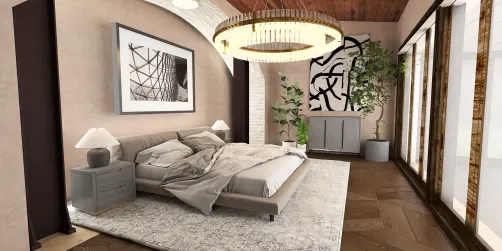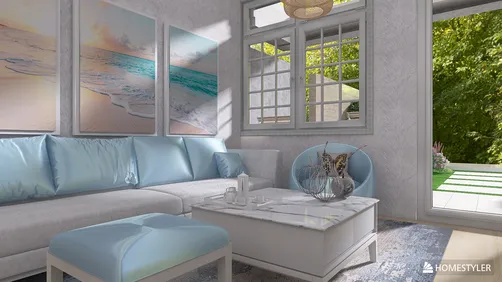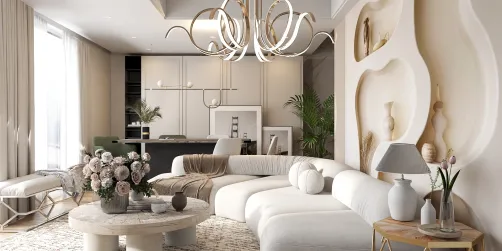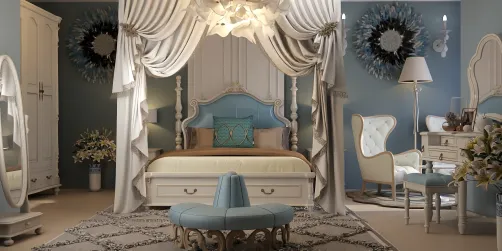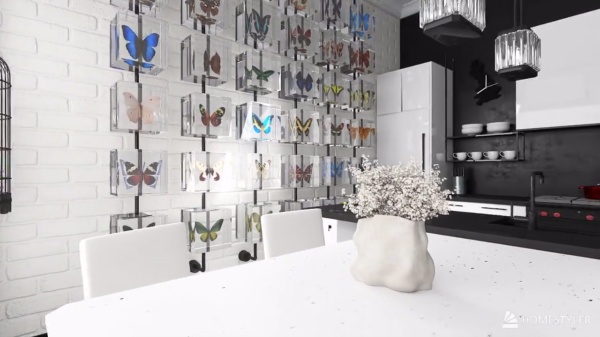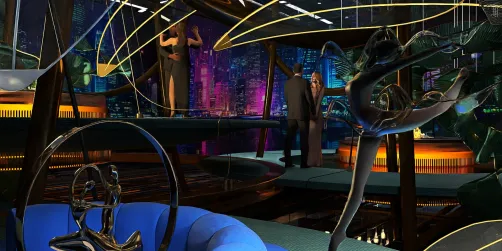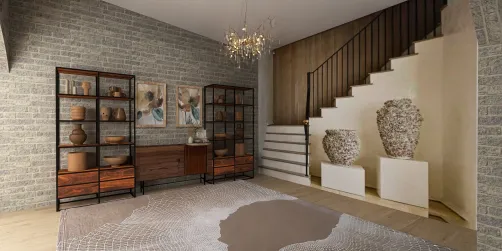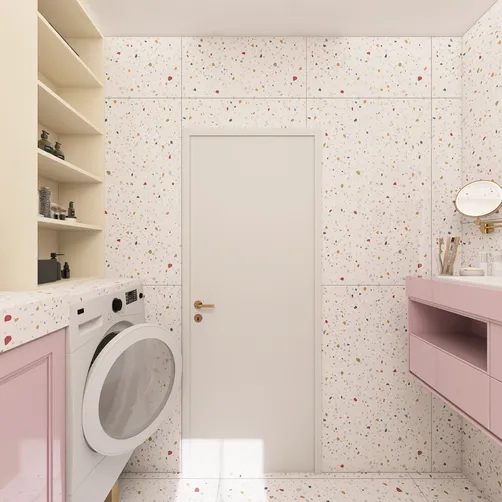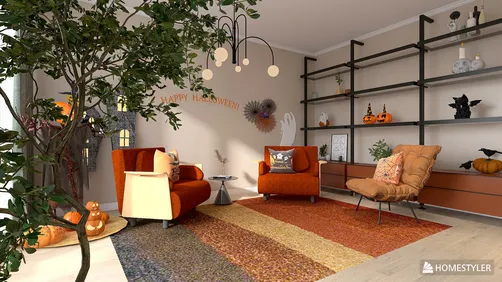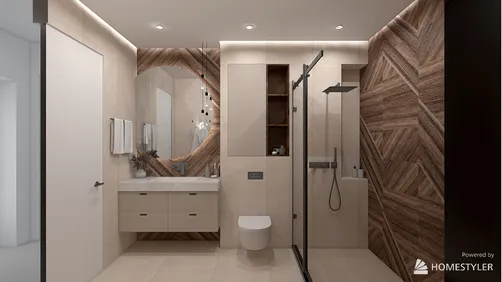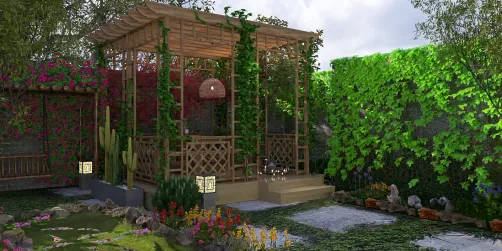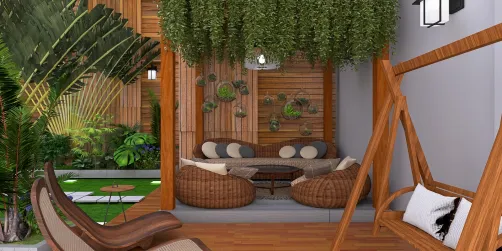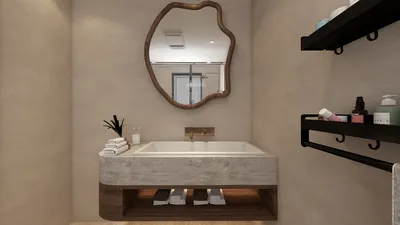
3D rendering serves as an essential asset in the realm of interior design, empowering designers to produce striking visual representations of their ideas prior to actual implementation. By integrating 3D rendering into your design workflow, the overall presentation and communication with clients can be vastly improved.
Exploring 3D Rendering
3D rendering entails the conversion of 3D models into 2D images through advanced computer software. This innovative technology generates photorealistic visuals that effectively showcase the aesthetics, materials, and spatial dynamics of the design.
Advantages of 3D Rendering in Interior Design
The use of 3D rendering in your interior design projects comes with a multitude of benefits:
Uses of 3D Rendering
3D rendering finds application in an array of design situations:
Final Thoughts
Integrating 3D rendering into your interior design methodology not only enriches your design process but also improves client engagement. By offering clear visual representations and design adaptability, 3D renderings can successfully bring your imaginative concepts to fruition, especially when utilizing tools like Homestyler.
Frequently Asked Questions
Q: Which software is commonly utilized for 3D rendering in the field of interior design? A: There are several popular options such as SketchUp, 3ds Max, and Blender, among others, that assist in producing detailed renderings.
Q: What is the typical duration for creating a 3D rendering? A: Timeframes can vary depending on complexity. A simple rendering may require a few hours, while more intricate projects could take several days to complete.
Welcome to the Premier Home Design Software