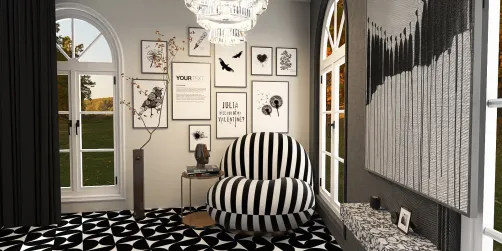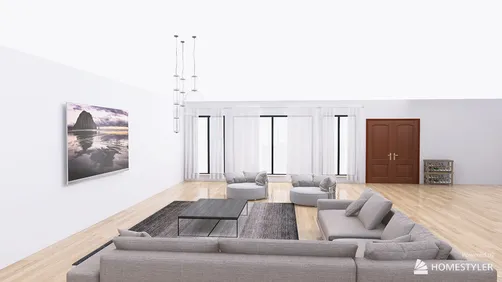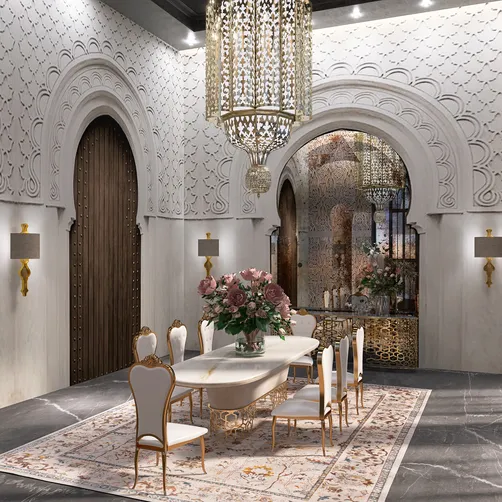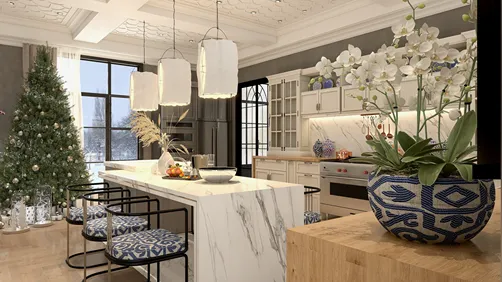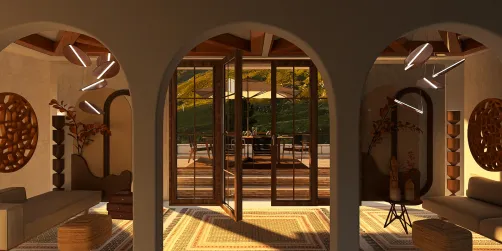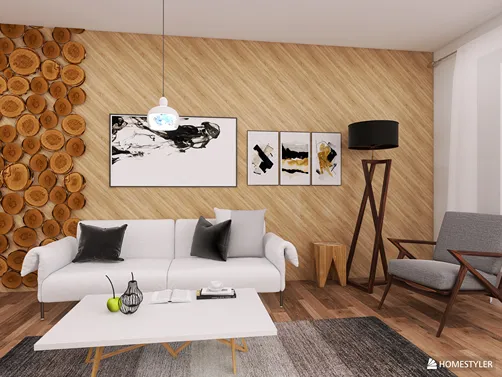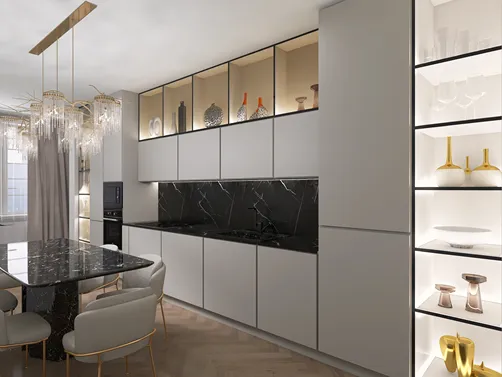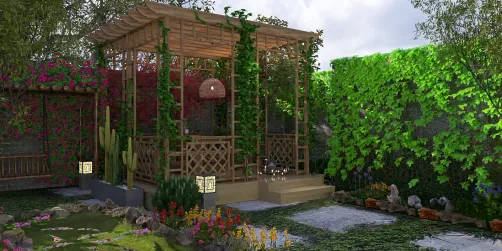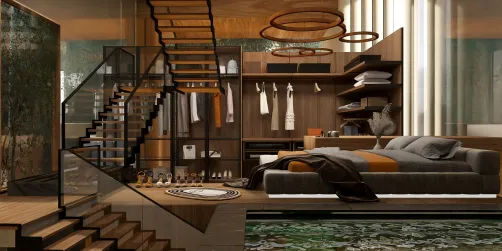
In the current competitive marketplace, quality architectural 3D rendering is crucial for effectively showcasing designs to clients and stakeholders. This modern technology empowers architects and designers to visually present their ideas in a realistic and engaging way, thereby successfully conveying their vision. By leveraging sophisticated software and techniques, professionals can produce striking visuals that vividly bring their projects to life, and tools like Homestyler are leading the way in this evolution.
Understanding Architectural 3D Rendering
Architectural 3D rendering refers to the technique of generating two-dimensional images or animations from a 3D model. These representations can illustrate the interiors and exteriors of structures, landscapes, and urban settings. High-quality renderings play a vital role in helping clients envision the final product, facilitating a clearer understanding of the design intent.
Benefits of High Quality Architectural Rendering
1. Enhanced Visualization: By providing detailed and clear views of the design, high-quality renderings allow clients to preview what the finished product will resemble, making concepts more tangible.
2. Improved Communication: Renderings act as an effective communication medium, enabling architects to articulate their ideas more clearly to clients, contractors, and other stakeholders.
3. Marketing Advantage: Captivating visuals can serve as powerful marketing tools, promoting projects to attract potential buyers and investors even before their construction begins.
Choosing the Right Rendering Software
Numerous software solutions exist for architectural rendering, with some popular options including Homestyler among others.
Every software package has its unique advantages; hence, selecting one that aligns with your specific requirements and expertise is essential.
Tips for Creating High Quality Renderings
1. Pay Attention to Lighting: The mood and realism of your renderings can greatly depend on effective lighting. Experiment with various lighting setups to discover the ideal match for your design.
2. Use Realistic Materials: Opt for materials that replicate real-world textures and finishes to enhance the authenticity of your renderings.
3. Incorporate Surroundings: Including contextual elements, such as nearby buildings and landscapes, can significantly improve the understanding of how the project fits into its environment.
FAQ
Q: What distinguishes 2D from 3D rendering? A: 2D rendering creates flat images, while 3D rendering yields lifelike, three-dimensional visuals that can be examined from multiple perspectives.
Q: What is the time frame for creating a high-quality rendering? A: Completion time is contingent upon project complexity. Typically, a high-quality rendering may require anywhere from a few hours to several days.
Q: Is architectural rendering costly? A: Costs can vary widely based on rendering quality and complexity, as well as the expertise of the individual producing it.
Welcome to the use of Homestyler, the top choice in home design software.