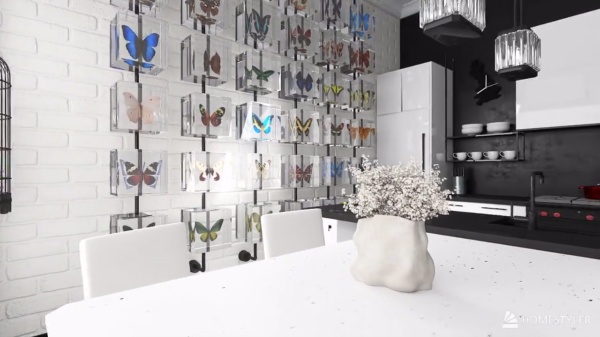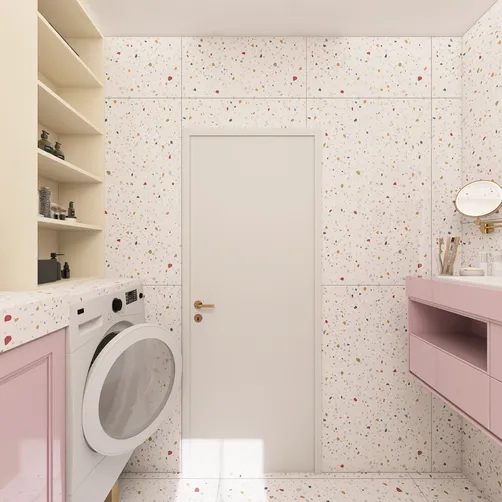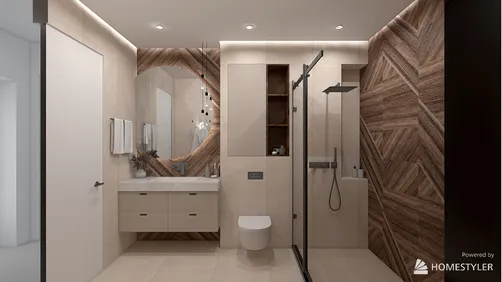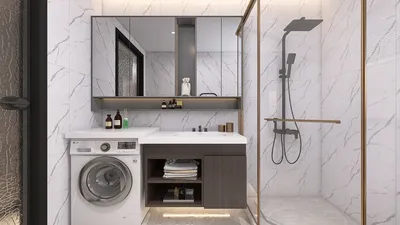
The advent of building automation systems has transformed our engagement with various environments. A fundamental component of successfully deploying these systems is the creation of a comprehensive 3D floor plan. An expertly crafted 3D floor plan not only improves spatial visualization but also facilitates the integration of multiple smart technologies, ensuring your building operates efficiently and sustainably with tools like Homestyler.
Understanding Building Automation
Building automation entails the centralized management of a building's systems including heating, ventilation, air conditioning (HVAC), lighting, and security. An all-inclusive 3D floor plan plays a crucial role in accurately mapping these systems, promoting smooth integration and management throughout the structure.
Key Components of a 3D Floor Plan
A well-executed 3D floor plan designed for building automation should encompass:
Advantages of Incorporating a 3D Floor Plan in Building Automation
Adopting a 3D floor plan for building automation offers numerous advantages:
Guidelines for Crafting Your 3D Floor Plan
When devising a 3D floor plan for building automation, keep these considerations in mind:
Frequently Asked Questions
A 3D floor plan serves as a three-dimensional visual depiction of a building's configuration, aiding in comprehending the spatial dynamics between different areas and systems.
You can generate a 3D floor plan by utilizing specialized design software, which allows you to enter measurements, add architectural elements, and incorporate building automation systems effectively using tools like Homestyler.
Benefits include improved visualization, enhanced collaboration among stakeholders, and higher efficiency in planning and integrating systems, all of which are crucial for successful building automation.
Explore the benefits of using a free 3D floor planner to kickstart your design process.