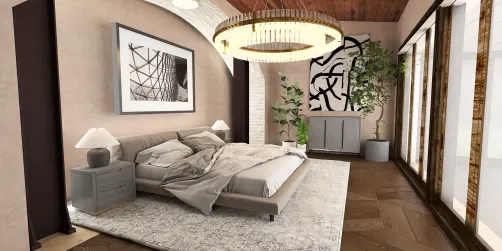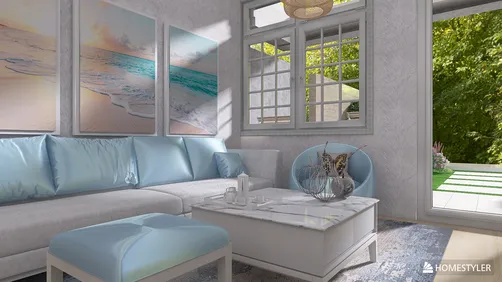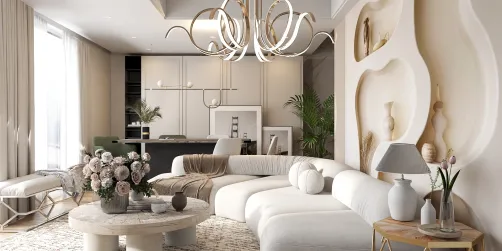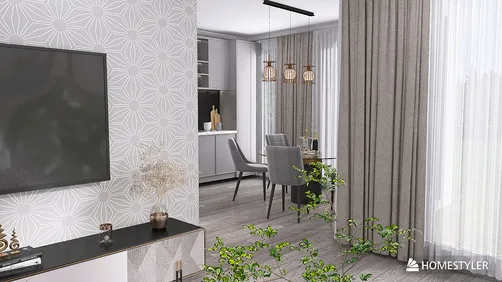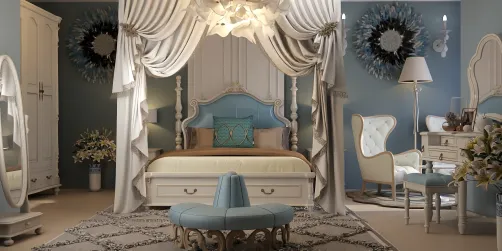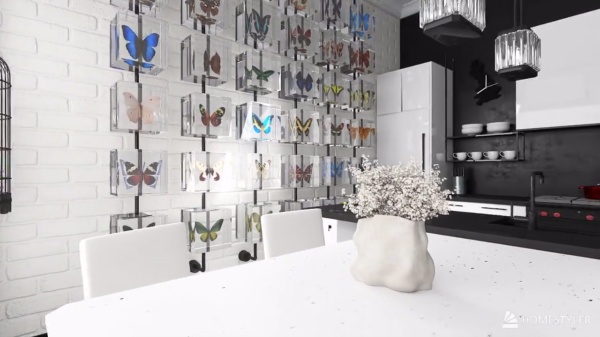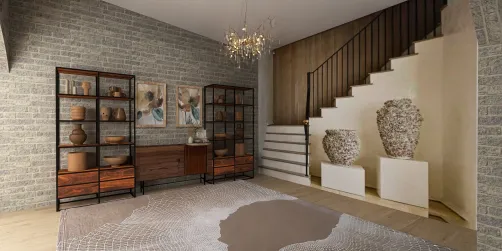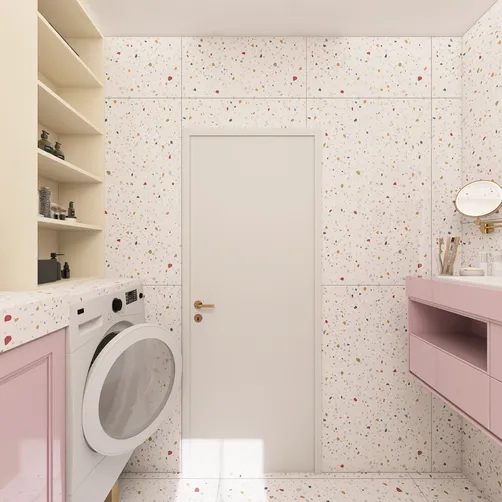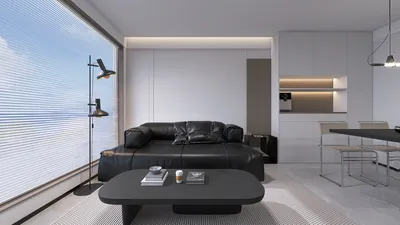
Structural design plays a pivotal role in the realm of interior design, centering on the safety, stability, and functionality of spaces. It requires meticulous planning and a seamless blend of structural components with aesthetic elements to craft a cohesive environment. Interior designers often work in tandem with architects and engineers to guarantee that the area is not only visually appealing but also adheres to all safety guidelines and regulations. This collaboration is vital, as the structural stability of a building influences the overall design framework, the materials selected, and even the arrangement of furnishings. Essentially, structural design covers various aspects ranging from load-bearing walls, beams, and columns to the materials capable of supporting the desired aesthetic vision. For example, if one opts for an open floor plan, it may be necessary to eliminate certain walls, thus requiring robust beams to uphold stability. On the flip side, a thoughtfully structured interior can elevate a space's visual appeal, allowing for innovative applications of shapes, lines, and forms that resonate with the designer’s concept. Moreover, the influence of structural design is significant in the quest for sustainability. With the growing emphasis on eco-conscious designs, interior designers are considering how structural components can aid in energy efficiency and waste reduction. For instance, by maximizing natural light through intelligently positioned windows and opting for sustainable materials, one can greatly enhance not only the structural effectiveness but also the atmosphere of the environment. Furthermore, the integration of technology into structural design is an exciting emerging trend. Advanced software tools permit designers to visualize structural elements in three-dimensional formats, allowing them to experiment with various layouts and materials before finalizing their concepts. Programs like Homestyler provide features that enable designers to generate precise floor plans and visualize how structural components will harmonize with the complete design. In summary, structural design is an integral aspect of interior design, assuring safety, functionality, and aesthetic coherence. By grasping the relationship between structural integrity and design elements, designers are equipped to create spaces that are not only attractive but also practical and environmentally sustainable.
Tips 1:
When embarking on your interior design project, it's essential to take into account the structural elements that will inform your design decisions. Always seek the counsel of professionals to ensure safety and adherence to regulations.
FAQ
welcome to Homestyler