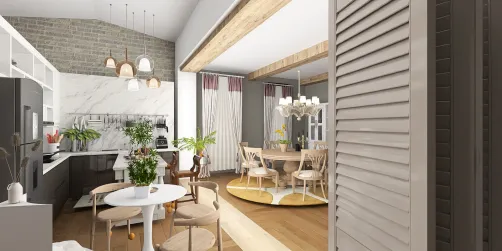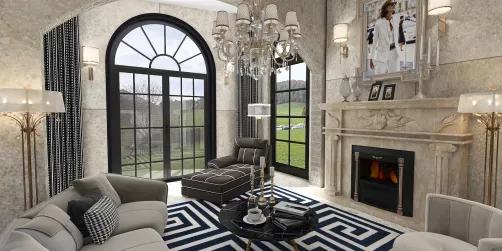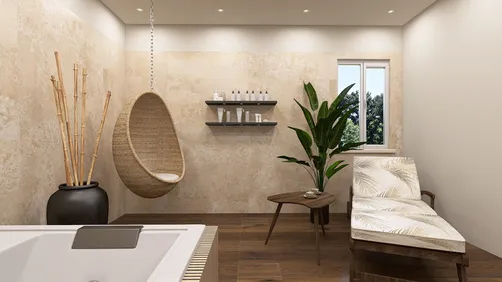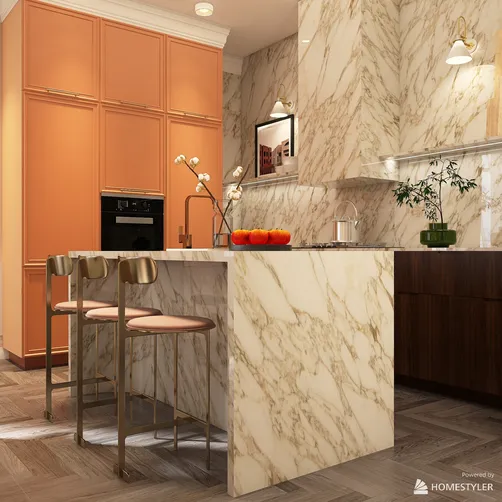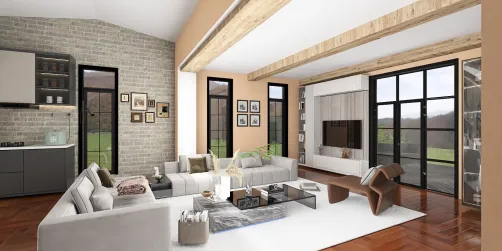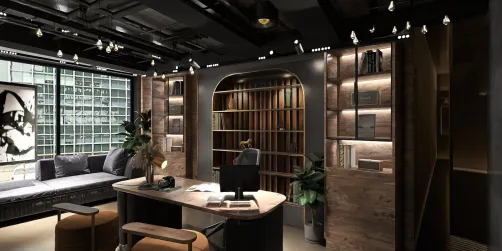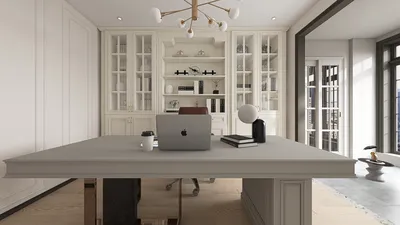
In recent years, advancements in artificial intelligence (AI) have significantly impacted several industries, particularly in architecture and interior design. A particularly intriguing innovation is the capability of AI to develop floor plans, which can simplify the design process while boosting creativity. Tools powered by AI can analyze user preferences, spatial requirements, and current aesthetic trends to create functional and visually attractive designs. This transformative technology allows both professional designers and DIY enthusiasts to design customized layouts that meet their unique specifications. By leveraging AI, users can explore different configurations effortlessly, enabling a clearer visualization of how a space will ultimately look and feel, especially when using platforms like Homestyler.
The floor planning process usually starts with the user entering detailed requirements, including room sizes, the number of rooms desired, and favored design styles. The AI then processes this data, employing algorithms and machine learning methods to quickly generate a variety of design options. This technology reduces the uncertainty often tied to traditional manual floor planning. Furthermore, AI tools can offer 3D visualizations of the proposed designs, allowing users to virtually navigate through their future spaces and visualize their ideas in practice.
One of the primary benefits of using AI in designing floor plans is its capability to optimize space efficiency. AI can propose layouts that utilize each square foot effectively, ensuring that every area serves a specific purpose. This is particularly advantageous in smaller apartments or unconventional layouts where maximizing usefulness is vital. Additionally, AI can take into account elements like natural light, movement flow, and optimal furniture placement, all contributing to a cohesive and harmonious living space.
Moreover, AI technology keeps advancing and learns from user interactions over time. This means that as users return and engage more with the software, the AI becomes more adept at recognizing their preferences and style choices. As a result, it can generate increasingly tailored and relevant floor plans over time, making it an essential tool for regular users.
It is crucial to recognize that while AI markedly enhances the floor planning experience, it does not replace the human touch of creativity and intuition. Rather, AI acts as a robust assistant, offering inspiration and practical solutions that users can then tweak and personalize. This collaboration between human designers and AI-driven tools such as Homestyler can lead to innovative and groundbreaking design results.
In summary, AI has emerged as a vital resource for creating floor plans, providing users with efficiency, space optimization, and creative options. Whether you're a beginner aiming to design your first home or an experienced professional wishing to refine your workflow, AI-enabled floor planning tools can significantly enhance your design journey. Embrace the future of design and discover how AI can beautifully transform your environment with skillfully crafted floor plans!
Tips 1:
When utilizing AI for floor plans, always provide comprehensive specifications to achieve optimal results.
FAQ
Q: Can AI generate 3D models of my floor plan? A: Yes, numerous AI floor planning tools, including Homestyler, provide the option to create 3D visualizations of your designs.
Q: Are AI-generated floor plans customizable? A: Absolutely! You can modify and adjust AI-generated floor plans to reflect your aesthetic and functional preferences.
Q: Is AI floor planning software user-friendly for beginners? A: Yes, the majority of AI floor planning tools are designed to be intuitive, making them accessible to users of all skill levels.