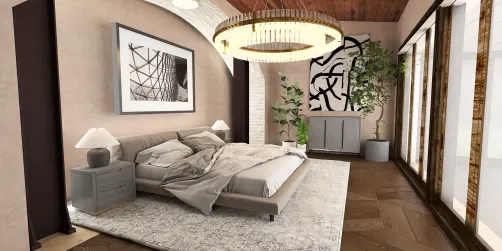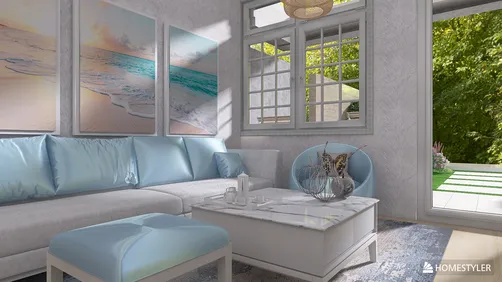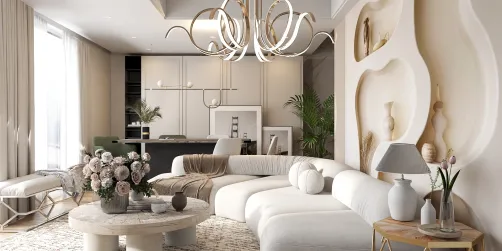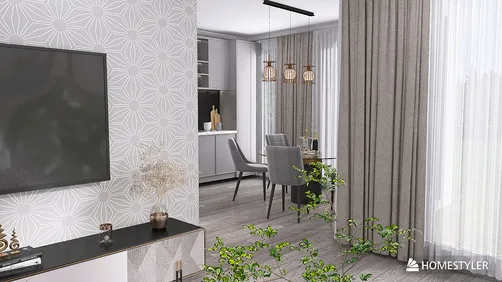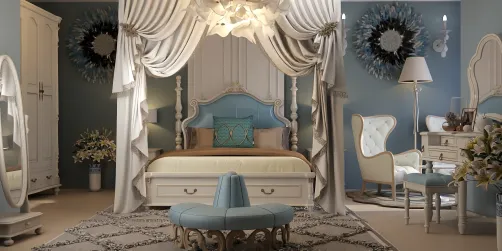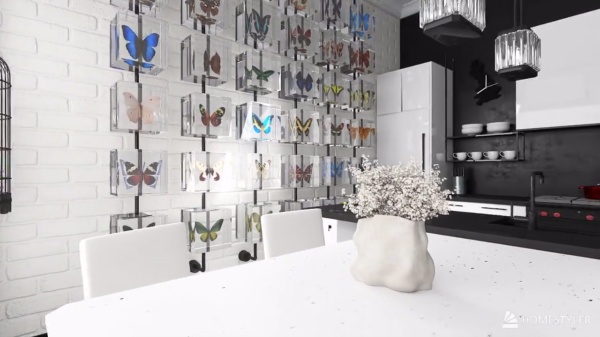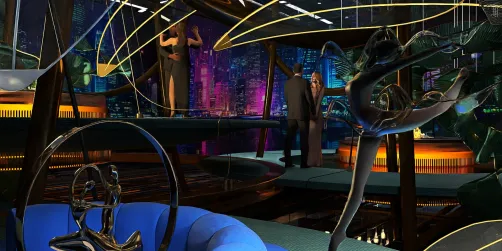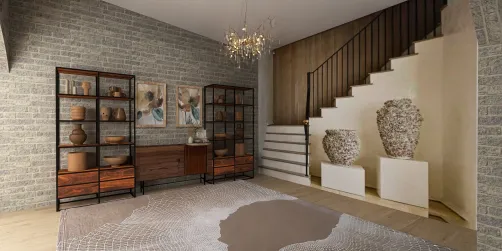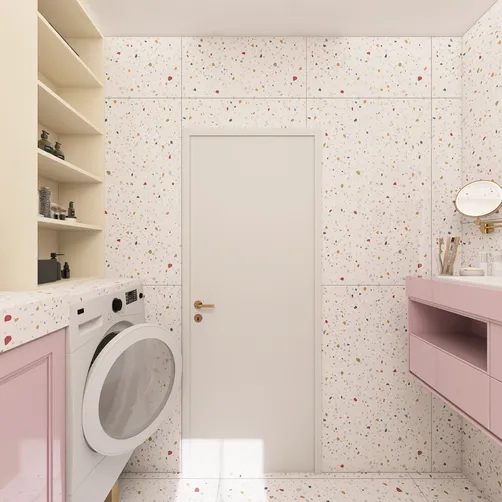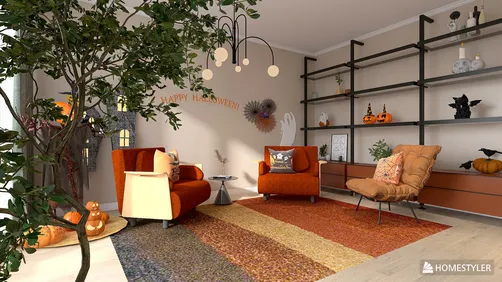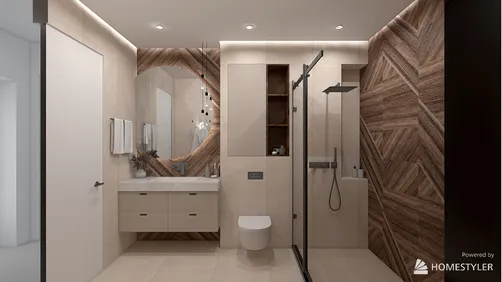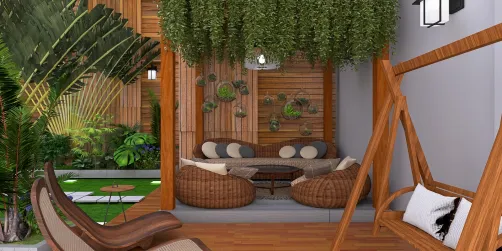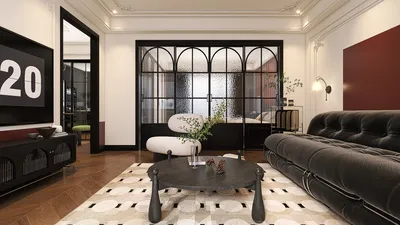
The significance of 3D rendering in contemporary design cannot be overstated, as it empowers designers to generate lifelike visualizations of their concepts prior to actual construction. This approach is invaluable across disciplines such as architecture, interior design, and product design, as it enables clear communication of ideas, ensuring that clients fully grasp the anticipated outcomes of their projects.
Benefits of 3D Rendering
3D rendering brings a multitude of benefits that can profoundly influence the design journey:
A key advantage of 3D rendering is its capacity to provide a realistic depiction of a project. Clients can visualize how different materials, colors, and lighting will transform spaces, which aids them in making more educated choices.
Moreover, 3D renderings act as an effective communication medium for designers and their clients. They eliminate ambiguities and deliver a precise illustration of the designer's intent, nurturing a collaborative atmosphere.
Through 3D visualizations, designers are able to uncover potential challenges early on in the design process, which minimizes the need for expensive modifications during construction. This proactive strategy saves both time and resources, leading to a more streamlined workflow.
Applications of 3D Rendering
The applications of 3D rendering span various industries:
Architects utilize 3D rendering to display building designs, highlighting both exterior and interior perspectives, landscape details, and the adjacent environment.
Interior designers take advantage of 3D rendering to depict room layouts, furniture configurations, and color palettes, helping clients visualize their future interiors.
In the realm of product design, 3D rendering is essential for crafting realistic models, empowering designers to evaluate both the aesthetic and functional aspects before the manufacturing stage.
Future of 3D Rendering
Looking ahead, the future of 3D rendering appears thrilling, bolstered by technological advancements such as virtual reality (VR) and augmented reality (AR) which are set to enhance user experiences. These innovations will enable clients to fully immerse themselves in 3D settings, further refining the design process.
Conclusion
To sum up, 3D rendering is a pivotal asset within the design sector, offering enhanced visual understanding, better communication, and greater efficiency. As technological advancements persist, its significance is likely to expand, altering how designers and clients collaborate and visualize projects. Platforms like Homestyler are at the forefront of this evolution, providing powerful tools for designers and clients alike.
FAQ
A: 3D rendering refers to the technique of generating a two-dimensional image or animation from a 3D model by utilizing computer software.
A: It enables designers to present realistic representations of spaces, aiding clients in comprehending the design concept more effectively.
A: Absolutely, by identifying possible design challenges early in the process, it can avert costly revisions and save valuable time.
welcome to Use No.1 Home Design Software